Packing advice for moves in South Edinburgh

Packing with South Edinburgh property types in mind

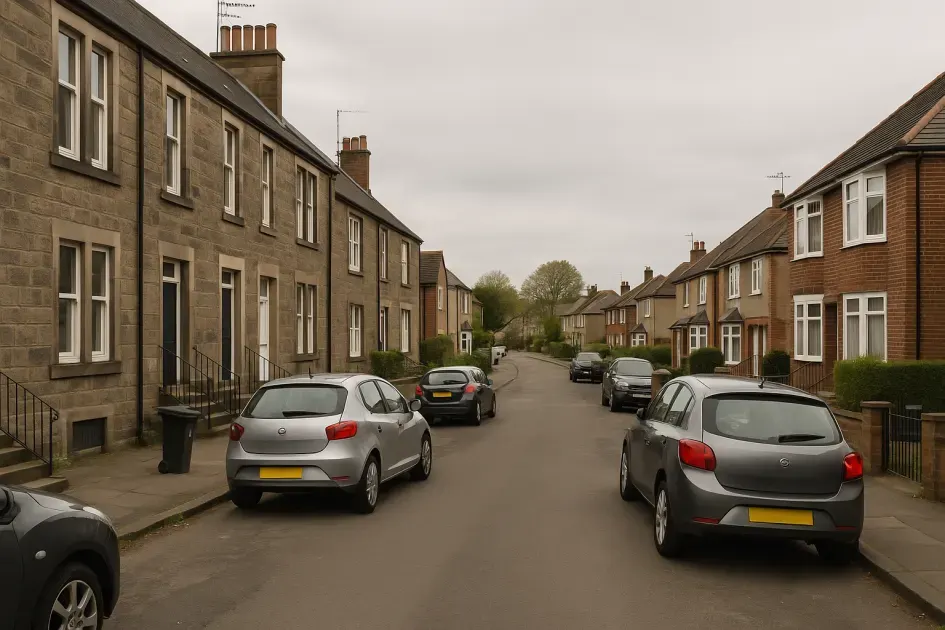
South Edinburgh contains a mix of Victorian tenements and terraced streets (Marchmont, Bruntsfield), semi‑detached homes and newer build developments (parts of Merchiston, Colinton and around Gorgie). Each property type creates different packing priorities:

removals in South Edinburgh is the main booking page for checking availability, pricing and move details in one place.

Terraced houses

Many terraces have small front gardens and short flights of steps. Pack items so they can be carried over steps without catching on railings or narrow gates: slimmer, reinforced boxes and furniture wrapped to a narrow profile reduce snagging. Expect restricted kerbside access on narrow residential streets, so stage boxes near the door in weatherproof piles for quicker handovers.

For the next planning step, compare this issue with best time to move in South Edinburgh and moving guide for South Edinburgh so the booking page can stay focused on the actual move rather than duplicate planning detail.

For a parent-area overview, use Edinburgh moving timing guide.

Flats and tenements

Tenements in South Edinburgh often have communal staircases and small landings. Use lighter, stackable boxes and mark fragile contents clearly. For flats above the ground floor, break down bulky items where possible and label boxes with floor number and any staircase hazards (tight turns, low ceilings). Anticipate extra time for manoeuvring on each landing.

Semi‑detached and new builds

Semi‑detached houses in Colinton and newer developments sometimes have drives or underground parking and lifts. If you have direct vehicle access, prioritise loading boxes that would otherwise suffer double‑handling (kitchen, fragile items). For new builds with lifts, protect lift interiors and plan to load floor by floor to avoid blocking communal corridors.

Packing for stairs and flats: practical techniques

Stairs are the dominant constraint in South Edinburgh’s older housing stock. Apply these tactics to reduce handling time and damage risk:

Box size and weight limits

Keep boxes to a manageable weight (15–20kg) and choose two box sizes—small for heavy or fragile goods, larger for linens and lighter items. Smaller boxes are quicker on stairs and safer on twisty tenement landings.

Disassembly and handling-friendly packing

Disassemble beds, tables and wardrobes where possible so pieces can be carried vertically up staircases. Pack long, flat disassembled pieces in protective sleeves. Use cloth wraps rather than bulky wardrobes boxes where stair width is limited.

Stair-specific labelling

On each box, write the destination room and an access note such as “3rd fl – narrow turn” or “Ground fl – step at door.” That reduces delay at the loading point because handlers don’t need to search or re-sort on landings.

Protecting items for longer carry distances and hilly routes

South Edinburgh is noticeably hilly and contains cobbled or uneven pavement sections in some neighbourhoods. Longer carries up slopes or across uneven surfaces increase both the time to move and the risk of damage.

Extra padding and weatherproofing

Use moving blankets, moving film and bubble wrap on high‑risk items. For long outdoor carries, add an outer waterproof layer—rain is frequent in Edinburgh and a long carry from legal parking to a door can turn a damp box into a ruined cardboard package.

Protecting route contact points

Pad corners and edges that will contact steps, stonework or cobbles. Secure pads with tape that won’t mark timber or metal. On longer trips, consider wrapping skids or trolleys too to prevent scratching during motion across rough surfaces.

Efficient labelling and loading under South Edinburgh constraints

When street space is limited, speed of sorting and loading becomes critical. The right labelling and staging strategy reduces double‑handling and waiting around for legal parking.

Colour‑coded staging

Use a colour dot per room or floor, and keep all boxes with the same colour together in a staging area inside the property. That helps when the van can only park for short windows or when carriers must shuttle between van and building because of permit limitations.

Pre‑assign a loading order

Load the van so you unload largest items first at the destination: stage boxes that will go to the top floor near the back of the van if the unloading spot is the nearest access point. In South Edinburgh, this reduces the number of times boxes are moved along narrow streets and staircases.

Preparing for tight access and awkward loading positions

Tight access in South Edinburgh—narrow pavements, parked cars, gates and low garden walls—creates specific packing and planning needs.

Measure and map the route

Measure door widths, stair turns and garden gates ahead of the move. Note whether the van will have to park on a main road (easier loading bay) or a narrow residential street (likely longer carry). Add these notes to box labels and the move plan so handlers can choose the right equipment (e.g., stair trolleys, shoulder dollys).

Use modular packing for awkward items

Where possible, break large furniture into narrower modules to get through thin doorways or tight landings. Pack smaller components together in clearly labelled bags so reassembly at the other end is fast and avoids missing fixings.

Time, cost and planning — real world implications

Packing decisions directly affect how long a move in South Edinburgh will take and therefore its cost. Practical examples:

  • If parking is a 50m walk from the door, allow extra labour time; every shuttle between van and door adds minutes that accumulate across dozens of boxes.
  • Multiple flights of stairs slow handling dramatically—count extra 10–15 minutes per large item for each floor of carry in narrow tenement staircases.
  • Securing a temporary loading suspension or permit may involve council fees and lead time; factor this into scheduling to avoid forced on‑street parking and longer carries on the day.
  • Additional packing materials (blankets, corner protectors, waterproof covers) add cost but reduce damage risk on South Edinburgh’s stone steps and hilly routes.

For a fuller view on timing your move and choosing an off‑peak date for lower congestion, see the moving timing guide at Edinburgh moving timing guide and the local best time advice at best time to move in South Edinburgh. For general information about removals in the area, see removals in South Edinburgh.

Quick South Edinburgh packing checklist

  • Measure doorways, stair width and route to the van; note obstacles.
  • Choose small, robust boxes for stair moves and mark them with floor and access notes.
  • Pad furniture for cobbles, steps and long carries; waterproof outer layers for rainy days.
  • Colour‑code by room and stage inside property to speed loading when parking is limited.
  • Contact the City of Edinburgh Council early if a parking suspension is likely to be needed.

Common packing questions for South Edinburgh moves

Short answers to frequent questions about packing for tenements, terraces and properties with limited access in South Edinburgh.

Use small, robust boxes (15–20kg max) to avoid awkward loads on narrow staircases and landings common in Marchmont and Bruntsfield tenements. Wrap tall items vertically if possible and secure crockery in compartmented boxes. Label boxes with floor and room to speed handling on narrow communal staircases and reduce time spent shuffling items on landings.

Many streets in South Edinburgh are in residential permit zones or have limited kerbside space. For large vans or extended loading, contact the City of Edinburgh Council about temporary loading suspensions; otherwise expect extra carry distance from legal parking and additional loading time, which increases cost and scheduling risk.

Use furniture blankets, stretch wrap and corner protectors. For routes with cobbles or steps (found near older parts of South Edinburgh), add extra internal padding and secure drawers. Plan protective coverings for both the item and the route (e.g., tape down blankets on stairs) because repeated bumps on a long carry raise the risk of damage and slow the operation.

Label by destination room and note access specifics (e.g., ‘3rd floor – narrow stair’). Pack similar-weight boxes together and keep heavy items on one side of a pallet or trolley. This lets handlers stage loads by building and floor quickly when street access is constrained by parked cars or short loading bays.

Budget significantly more: add time for permit checks, possible double-handling when parking is off-street, and slower movement on stairs and hills. A single-storey house with driveway may load in an hour; a tenement flat on multiple flights in South Edinburgh commonly requires several additional hours of handling and travel between van and door, which affects cost if movers charge hourly or for extended labour.

The exact answer depends on the access route, loading position, building type and timing conditions in South Edinburgh, but clear planning is usually the simplest way to reduce friction and avoid surprises.