Property challenges for removals in North Edinburgh

Why North Edinburgh’s buildings and streets matter to removals

North Edinburgh is a patchwork of Victorian terraces, traditional tenement blocks, newer waterfront developments and suburban semi‑detached homes. Those differences are not just architectural—they directly shape how removals are planned and executed. The local street layout, parking controls and the physical structure of properties each create distinct operational frictions that affect time, cost and safety.

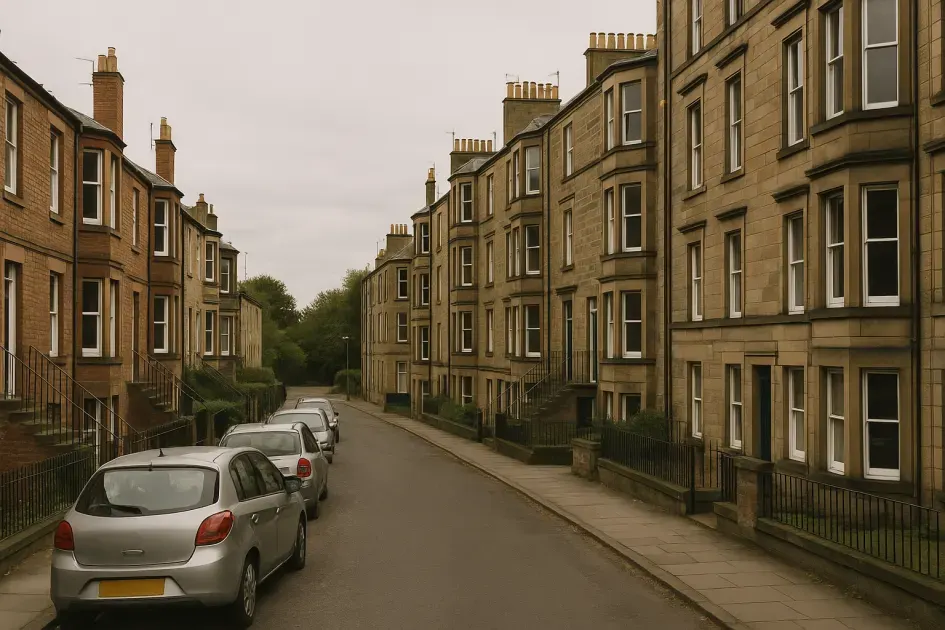
Terraced housing: tight frontages, steps and street parking

Many terraces north of the city centre are set close to the pavement, often with a narrow front step or small garden. Doorways and hallways are frequently narrower than modern replacements, and angled corners on tight staircases make moving sofas and wardrobes more time‑consuming. On-street parking is common and often full during the day; where a removal lorry cannot stop directly outside, items must be carried 10–40 metres over pavements or down garden paths. That extra carry distance and careful manoeuvring increases handling time and the number of crew required, which in turn raises operational costs.

When you need the main move page rather than property detail alone, start with removal service in North Edinburgh and use access and property guide for Edinburgh for the broader regional picture.

Flats and tenements: staircases, small lifts and communal closes

Tenement flats and older apartment blocks have three main consequences for moves in North Edinburgh. First, staircases are steep and often narrow, so bulky items take longer to get up and down and sometimes require partial disassembly. Second, communal closes (shared stairwells) restrict how many staff can work side‑by‑side, slowing throughput. Third, where lifts are present—either in older refurbishments or in newer pods—the car dimensions and weight limits are frequently the limiting factor; not all sofas or beds will fit. For many tenement addresses, removals teams plan for extra labour, more frequent breaks to reduce risk and shuttle runs between the lorry and the building lobby, each of which adds time and cost to the job.

Narrow roads and parking limitations across the north side

Several streets in North Edinburgh are effectively single‑lane with cars parked either side, particularly in residential pockets off Ferry Road and around Pilrig. Loading bays are scarce outside the main roads, and Controlled Parking Zones mean available kerbspace is often restricted to permit holders or short stays. When a large removal vehicle cannot stop at the property, crews must use smaller vehicles or wheel items longer distances. Those shuttle operations increase vehicle hours, complicate logistics when moving large furniture and often require additional crew time that affects the final cost and schedule.

You will often need to consider For the problems that tend to appear with awkward access, look at moving guide for North Edinburgh and hidden moving costs in North Edinburgh too. at the same time.

Suburban versus dense layouts: different frictions

North Edinburgh’s suburban fringes—areas nearer Silverknowes and the northern coast—typically offer more driveways and on‑plot parking, shortening the carry distance and speeding loading. However, those houses are often larger with more rooms to clear, which can lengthen total loading time. In contrast, dense urban pockets with terraced rows and tenement flats have higher handling intensity for each item and greater risk of bottlenecks in stairwells and communal areas. Planning must therefore be tuned to the local pattern: fewer metres to carry can still mean a longer job if access is constrained inside the property.

New builds and waterfront developments: convenience with caveats

Recent developments around Granton and parts of the waterfront bring modern lifts, allocated parking courts and wide communal corridors — but those apparent advantages come with their own constraints. Parking courts may have height barriers or narrow ramps, loading bays can be shared with residents, and pedestrianised approaches often prevent parking directly at an entrance. Lift cars in new blocks are sized for everyday traffic rather than oversized furniture; curtain‑wall doors and glass‑framed lobbies demand extra care. These factors typically result in careful lift bookings, staged moves and occasionally the need for removal crews to use stair cores despite having a lift available.

Operational implications: time, cost and planning

Every local access constraint translates into measurable operational impacts:

  • Carry distance: properties without off‑street parking commonly add 10–40 metres per trip. Multiple trips multiply handling time and increase the risk of delays during busy street hours.
  • Stairs and lifts: each flight of stairs or small lift load tends to add time for manoeuvre and safe handling; tall or awkward items may need partial dismantling.
  • Vehicle restrictions: narrow streets and parking controls often force a multi‑vehicle shuttle plan, which increases vehicle hours and crew allocation.
  • Permits and suspensions: legal loading space may need prior arrangement; last‑minute parking conflicts can cause on‑the‑day delays and added charges for overtime.

These elements combine to affect budgets and timing. For example, a ground‑floor flat with good street access in a suburban pocket may have a shorter total duration but larger inventory; a third‑floor tenement move with no lift usually takes longer per large item and can incur shuttle charges and additional labour time. Accurately anticipating these local issues is essential for reliable schedules and cost estimates.

Practical next steps for North Edinburgh moves

Assess the specific building type and street layout early: note whether the property is a terrace, tenement flat, semi‑detached or part of a new development, and identify likely parking and lift constraints. For more detailed considerations about local access and property types across the city, see the wider guidance at access and property guide for Edinburgh, and for further neighbourhood details refer to the parent North Edinburgh removals page at removal service in North Edinburgh. If you want step‑by‑step moving preparation specific to addresses in this area, our companion practical checklist is available at moving guide for North Edinburgh.


Common questions about property access in North Edinburgh

Practical answers to how local building types, street layouts and parking rules affect removal logistics across North Edinburgh.

Many traditional tenements north of the city centre—around Ferry Road, Pilrig and parts of Leith—have steep, narrow stone staircases and communal 'closes'. These restrict how quickly large items can be carried and require more handling. Expect additional handling time for each bulky item and possible limits on simultaneous carries, commonly adding one to three hours to a standard move depending on floor level and number of items.

Yes. A large portion of North Edinburgh sits inside Controlled Parking Zones and streets with permit or timed restrictions. Main thoroughfares (Ferry Road, parts of Crewe Toll approaches) have limited long-term loading space. Arranging a temporary suspension or identifying a legal loading bay can be necessary — failing that usually forces shuttle runs from a permitted park-up which increases vehicle hours and costs.

New-build blocks around the Granton Waterfront and inner harbour often feature gated parking courts and pedestrianised paths. While parking courts can be convenient, they usually have height barriers, narrow entrance ramps and lift cars with strict size/weight limits, which can force longer carries from the pavement or multiple small-lift moves. These factors typically increase loading time and mean planning for lift bookings or alternative routes.

Yes. Several residential lanes and crescents in North Edinburgh are single-track or lined with parked cars, especially near older terraced rows. Large removal vehicles are often unable to drive directly to front steps and must park on the nearest main road, then shuttle items along pavements or through garden paths. This increases labour time and can require a multi-vehicle plan for larger households.

Suburban streets (Silverknowes, Trinity fringes) often have driveways or on-plot parking, reducing carry distance — but properties can be detached or semi-detached with larger inventories, so loading time can still be significant. Dense pockets with tenements or terraced housing (Pilrig, parts nearer Leith Walk) tend to increase manual handling and carry distance. Real-world implications are commonly billed as additional labour hours, shuttle/vehicle time and possible booking fees for parking suspensions.

Yes. Lofts, garages and secondary storage areas spread the inventory across more space, which lengthens the loading phase even when the property looks manageable from the front door.