Property challenges for removals in Central Edinburgh

Understanding Central Edinburgh’s built environment and why it matters for removals

Central Edinburgh combines tightly packed historic neighbourhoods and pockets of modern development. The physical realities of the area — medieval closes, Georgian terraces, Victorian tenements and contemporary apartment blocks — create a mix of access limitations and operational friction that directly affects how long a move takes, how many people are needed and what extra costs should be anticipated.

When you need the main move page rather than property detail alone, start with Central Edinburgh removals service.

For a parent-area overview, use access and property guide for Edinburgh.

Terraced houses and Georgian frontages

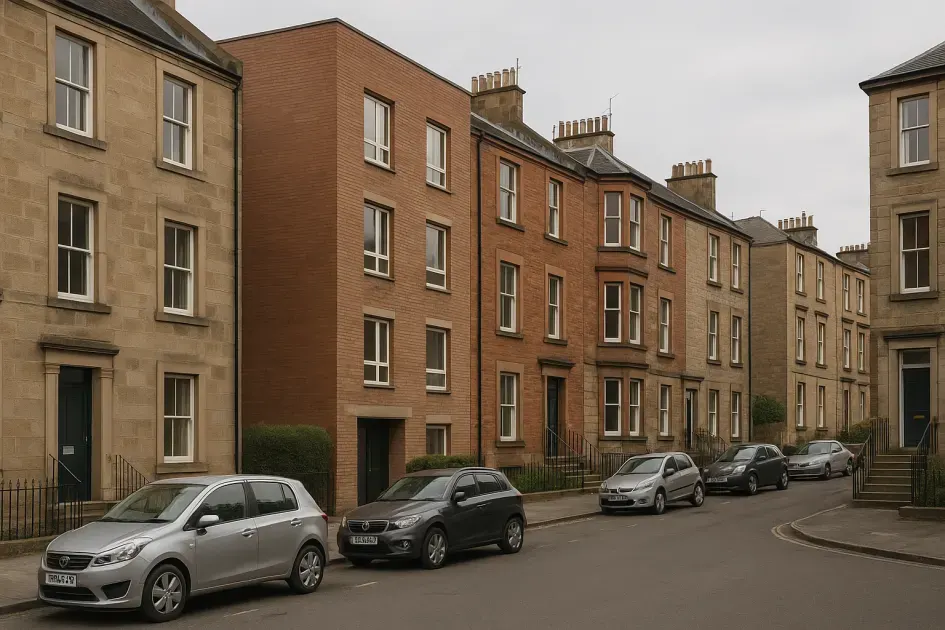
New Town terraces (for example around Charlotte Square and George Street) often have raised thresholds, narrow pavement access and stone steps. Pavement widths in these areas can prevent a removals vehicle from parking immediately outside, forcing longer carries and additional handling. Decorative features and tight doorways commonly require partial dismantling of tall furniture. Real-world impact: plan for extra labour to pad and move sensitive items, a longer loading/unloading window and possible parking bay suspensions to avoid repeated repositioning of the vehicle.

Tenement flats and multi-storey apartment access

Much of Central Edinburgh is dominated by tenement flats with steep, narrow staircases and narrow landings. These stairwells limit the size of items that can pass, slow down tells of movement and increase the chance that bulky items must be split or carried at awkward angles. In many Old Town closes the only practical access is on foot from a nearby legal parking spot — sometimes 50–100 metres away. Real-world implications: contractual time estimates should include slow stair carries and potential furniture dismantling; moves to upper floors regularly consume additional labour hours and lift use (where present) requires management approval and scheduling.

You will often need to consider For the problems that tend to appear with awkward access, look at moving guide for Central Edinburgh and hidden moving costs in Central Edinburgh too. at the same time.

New-build developments and managed apartment blocks

Contemporary blocks in Central Edinburgh (often found near Haymarket, Fountainbridge and riverfront regeneration sites) appear easier at first glance, but they bring different constraints. Service lifts may have weight or size limits and require pre-booked time slots through concierge or building management. Underground delivery bays and gated access can limit vehicle manoeuvrability and require reversing on tight ramps. Administrative friction — deposits, insurance certificates, lift protection fees and booking confirmations — can add admin time and potential charges even when physical access is better than older buildings.

Narrow roads, cobbles and historic closes

Old Town streets such as sections of the Royal Mile, remaining wynds and closes have cobbles, steep gradients and narrow carriageways. These conditions make wheeled equipment harder to use and make a direct vehicle approach impossible in many spots. The result is slower moves, greater wear on equipment and a higher chance of needing more staff to carry heavy pieces over uneven surfaces. Time and cost consequences: expect slower average transit from van to property, which translates to higher labour time and sometimes the need for smaller vehicles or specialist handling gear.

Parking, permits and controlled zones

Central Edinburgh is heavily regulated for parking. Controlled Parking Zones (CPZ), resident permit areas and short-stay bays are common; enforcement is regular. To load from a spot without risking a ticket or obstruction of local traffic, legal loading bays or temporary suspensions of parking bays may need to be booked in advance through the City of Edinburgh Council or building management. Failure to plan for this can add significant time while crews search for legal parking or move vehicles multiple times during loading.

Operational friction: carry distances, timing and the cumulative effect

Several small constraints combine into substantial real-world friction: a 50–100m carry over cobbles, several flights of narrow stairs, a pre-booked 30-minute lift slot and time spent waiting for a parking suspension. Each element multiplies loading time and labour costs. Practical planning must include realistic carry-distance timings, contingency for lift unavailability, and allowances for slow movement through historic stairwells and closes.

How this affects time, cost and planning

  • Time: moves in Central Edinburgh commonly take 25–50% longer than in a suburban street with driveway access because of additional carries, stair negotiation and administrative waits (lift bookings, concierge).
  • Cost: increased labour hours, potential for additional crew members, specialist kit (sling or hoist), and fees for parking suspensions or building deposits add directly to the price of a move.
  • Planning: advance property and access surveys, lift booking confirmation, and organising parking suspensions or loading bays reduce surprises on the day. Where stair carries are unavoidable, allow extra buffer time and confirm whether furniture can be dismantled in situ to ease movement.

Next steps for practical preparation

For a realistic picture of how these constraints apply at a specific Central Edinburgh address, consult the local removals overview at Central Edinburgh removals service, and the wider guidance on access requirements for Edinburgh streets at access and property guide for Edinburgh. For practical moving day tips specific to Central Edinburgh properties, see the moving guide at moving guide for Central Edinburgh.


Common questions about moving in Central Edinburgh

Short answers to recurring practical issues facing removals teams and customers in Central Edinburgh — from tenement stairs to parking suspensions and lift bookings.

Typical tenement staircases in the Old Town and parts of New Town are steep, narrow and have tight landings. Carried items often need to be negotiated in single-file and some pieces require dismantling. Expect an additional 30–90 minutes per move for extra handling and slower carry speeds, which increases labour time and therefore cost.

Yes — many streets in Central Edinburgh fall inside controlled parking zones with resident bays and limited on-street loading. For large removals vehicles a temporary suspension of a parking bay or a loading bay permit from City of Edinburgh Council is commonly required; arranging this in advance avoids parking fines and time lost hunting for legal space.

No — newer developments often have service lifts that impose size, weight and booking restrictions. Concierge or management companies may insist on pre-booked slots, protective measures and deposit payments. If the lift is too small, moves revert to stair carries which increases time and labour costs.

Cobbled streets (common in parts of the Old Town) make heavy wheeled dollies and trolleys unstable and slow; extra staff and padding are required to avoid damage to goods. Narrow closes and wynds restrict vehicle placement, creating longer carry distances from legal parking to front doors and increasing loading times.

New builds often feature underground parking, gated access and service lifts with strict access windows. Management companies can require proof of insurance, refundable deposits and limits on booking duration; these administrative steps add planning time and potential fees even though the physical carries may be shorter if a goods lift is available.

Georgian terraces in the New Town have narrow front steps, high thresholds and delicate cornicing. Long corridors and sash windows mean careful padding and sometimes dismantling long items. Pavement widths may prevent vehicles stopping directly outside, adding carry distance and time.