
Best time to move in Central Edinburgh

When is it easiest — and hardest — to move in Central Edinburgh?

Overview: what makes Central Edinburgh different

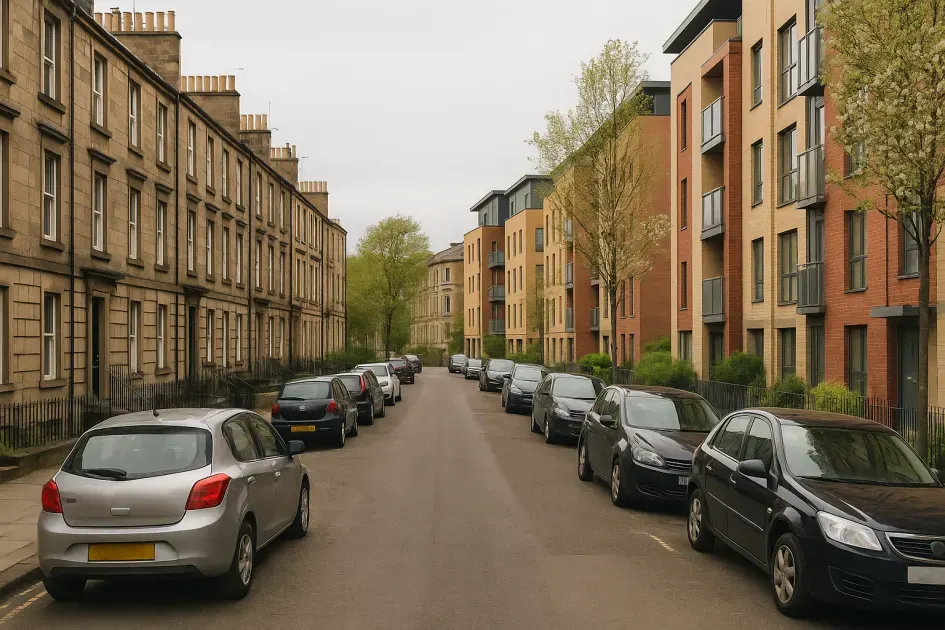
Central Edinburgh is a mix of Georgian terraces in the New Town, narrow historic closes and tenement flats in the Old Town, modern new-build apartment blocks and a few semi-detached properties on the fringes. That variety matters: many buildings have restricted vehicle access, limited or no on-site parking, and carry distances that add real time and cost to a move. Before picking a day, plan around the physical constraints of your specific property and the wider city rhythms described below.

Weekday versus weekend — practical effects

Weekdays (outside the morning and evening rush) are often the most predictable for operational reasons. Commuter traffic peaks from roughly 07:00–09:30 and 16:00–18:30, when main arteries through the city centre get congested. Starting a movesheet early in the morning, just after peak, gives the best chance of reaching tight streets and completing loading within permitted times.

Use removals in Central Edinburgh first for the core service page. For wider parent-area timing context, see Edinburgh moving timing guide.

In practice, this usually connects with To balance timing with the other factors that shape the day, review moving guide for Central Edinburgh and packing advice for moving in Central Edinburgh as well..

Saturdays can be quieter for commuter traffic but are frequently busier for visitors. Many streets still enforce parking restrictions on weekend days, and estate managers for new-build blocks sometimes restrict weekend move-ins. Sundays occasionally offer the best window for building access, but festival periods and special events can remove that advantage.

End-of-month and rental cycles — real demand spikes

Central Edinburgh has a high rental turnover: professional rentals, student lets tied to university term dates, and short-term lets create concentrated moving demand. The last weekday of the month — and the preceding weekend — routinely fill removal slots. That increases waiting times for loading space, pushes crews to tighter schedules, and often adds premium charges for late or short-notice bookings. If you can shift to mid-month or mid-week, you’ll typically face fewer delays and lower operational friction.

School holidays, university terms and festival seasons

Family moves often cluster in the school summer holidays (July–August), which overlaps with the city’s largest events. The Edinburgh Festival and Fringe in August and Hogmanay in late December dramatically change traffic patterns and often bring road closures, pedestrianised zones and restricted vehicle access in the Old Town and city centre. University freshers arrive in late August and early September, increasing demand for flats and removal slots. These seasonal cycles not only raise demand but also complicate planning: a move that would take one crew a morning in May may need extra time, permits and staff in August.

Traffic patterns and street-level access

Central Edinburgh’s street network mixes wide Georgian grid streets (New Town) with narrow, cobbled closes (Old Town). Main through-routes such as Princes Street, Lothian Road and Leith Walk carry heavy traffic and buses; accessing side streets often requires navigating tight turns or short single-lane sections. Loading bays exist on many main streets but are limited in number and sometimes constrained to short time windows. Vehicles may be forced to stop on double yellow lines briefly for loading — which increases risk of fines and adds to delays if enforced.

Property types and access constraints — how each affects timing

Terraced houses (New Town): Typically street-fronted with step-free entrances in places, but many have narrow pavements and resident parking zones. Loading bays on the main streets help, but moving vans may need to park slightly further away on quieter side streets.

Flats in tenements (Old Town and New Town): Walk-up tenements with steep staircases and narrow landings are common in Central Edinburgh. Expect longer carry times and potentially extra crew to move bulky items. Where lifts exist, they may have booking windows or size limits that must be arranged in advance.

Semi-detached and small suburban properties (fringes of central): Less common in the core, but where present they may offer better kerbside access. Still check resident parking controls and surrounding one-way systems.

New-build apartment blocks: Often have gated courtyards, shared loading zones or underground delivery bays that require advance booking with management. Some have service lifts with restricted hours; failing to coordinate these in advance creates waiting time on moving day.

Operational friction — carry distance, loading time and restrictions

Longer carry distances from van to front door, stair carries, narrow corridors and lift restrictions directly translate into additional crew hours. In Central Edinburgh that friction is real: a long carry through a cobbled close can add 15–30 minutes per load, and repeated trips multiply that time. Loading bay unavailability or the need to secure a temporary parking suspension leads to idle time for the vehicle and crew while you resolve access, increasing cost and delaying the overall timetable.

Seasonal weather and daylight — planning implications

Autumn and winter bring rain, wind and shorter daylight hours which slow handling of furniture and increase the risk of slips on cobbles and steps. Snow or ice, while less frequent, amplify the difficulty of stair carries in the Old Town and can make narrow streets impassable for larger vehicles. Summer offers longer days but coincides with the festival season and peak rental turnover, so the benefit of better weather can be offset by closures and crowding.

Practical takeaway and next steps

For the smoothest move in Central Edinburgh: avoid August and late December if possible; prefer mid-week, mid-month dates; plan for early starts to miss commuter peaks; check lift and building access rules for your property type; and arrange any necessary loading/parking permits well in advance. For detailed timing considerations for Edinburgh as a whole, see the broader guide at Edinburgh moving timing guide, or review practical local details for your street at removals in Central Edinburgh. For packing specifics related to narrow stairways and long carries, see packing advice for moving in Central Edinburgh.


Central Edinburgh moving — quick answers

Short, location-specific answers to common timing questions for moves in Central Edinburgh, covering permits, peak days, festivals and weather.

Weekdays outside peak commuter hours are usually the fastest for access because controlled parking zones and loading bays are enforced but traffic can be managed if you start early. Saturdays can be quieter for through-traffic but parking/loading restrictions still apply and festival-related closures in summer can make weekends much harder.

End-of-month spikes—especially the last Friday and Saturday—are common due to tenancy turnover in the city centre. That drives demand for crews, increases hourly waiting and carry times (and therefore cost) and makes securing a temporary loading bay or parking permit more urgent.

August (Edinburgh Festival and Fringe) and late December/early January (Hogmanay) bring heavy road closures and footfall. Early September also peaks with students and university term starts. These periods create access problems, longer loading windows and higher charges.

Often yes. Many streets in the New Town and Old Town have resident parking or restricted loading hours. Booking a temporary loading bay or permit from City of Edinburgh Council, or allowing extra time for on-street loading, is usually necessary to avoid fines and delays.

Significantly. Tenement walk-ups and narrow closes in the Old Town can add 10–30 minutes per flight or per long carry, increasing crew hours and therefore cost. New-build courtyard blocks with long internal corridors or lifts that must be booked can create similar delays.

Yes. Nearby events, nightlife or major local activity can reshape how smoothly a move runs. In Central Edinburgh, timing is a logistics decision, not decorative calendar theatre.