Packing advice for moves in Central Edinburgh

Packing for Central Edinburgh moves: practical advice for local access and property types

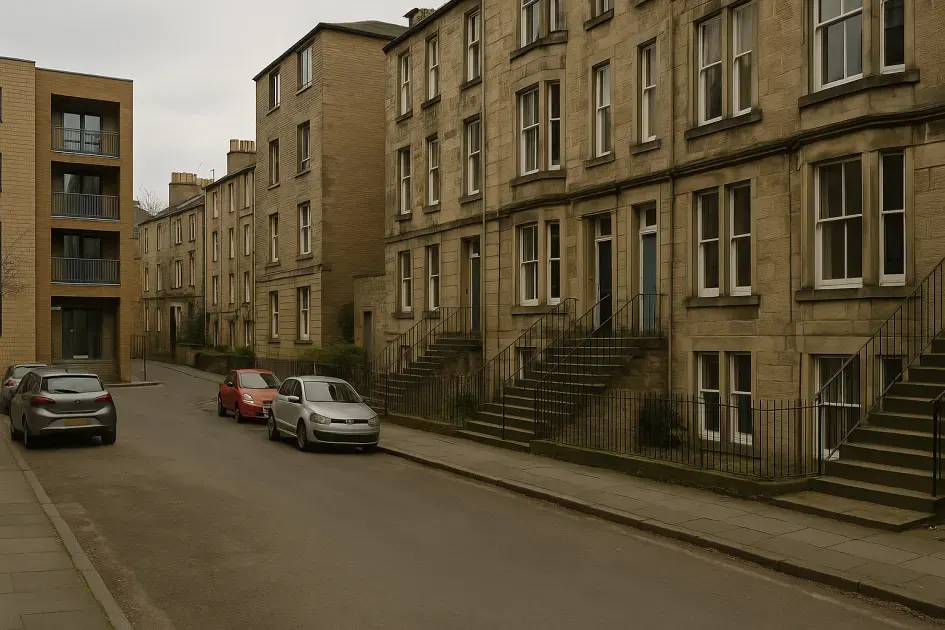
Central Edinburgh covers a mix of Old Town tenements, Georgian terraces in the New Town, semi-detached houses near the parks and newer builds around Fountainbridge and Haymarket. That variety creates very different packing needs: a third-floor tenement flat with a narrow spiral stair differs physically from a ground-floor new build that has a service entrance and dedicated parking. Read the local notes below and follow the links to plan timing and parking: removals in Central Edinburgh and the Edinburgh moving timing guide. For seasonal timing that affects street access and pedestrian flows, see best time to move in Central Edinburgh.

How property type changes packing choices

Pack with the property form in mind:

When you need the main booking page rather than background reading alone, start with removals in Central Edinburgh and use Edinburgh moving timing guide for wider regional context.

You will often need to consider To keep planning practical rather than repetitive, connect this page with best time to move in Central Edinburgh and moving guide for Central Edinburgh. at the same time.

  • Tenement flats / stacked flats: Expect narrow communal closes, low landings and no lift. Use multiple small boxes rather than a few large ones; keep the weight of each box manageable for stair carry. Protective wrapping for radiators, banisters and skirtings is essential because historic fabric is easily damaged.
  • Terraced houses (New Town / Georgian rows): These often have long internal corridors and sloping thresholds. Large pieces of furniture may need partial disassembly to pass through narrow doorways or around ornate newel posts—measure door frames and stair widths before packing.
  • Semi-detached homes: Usually easier for vehicle access and staging but may still have driveways with tight angles and front garden walls. Keep a pair of lifting straps and corner protectors ready for bulky items to avoid damage on angled approaches.
  • New builds and developments: Some provide service lifts, loading bays and reserved parking, but modern car parks can still have height barriers or short-term loading limits. Verify lift capacity and door widths and pack heavy, dense items into boxes that fit through service entrances.

Packing for stairs and flats — reduce carry time and handling risk

In Central Edinburgh the main operational friction is stair carries. Practical steps:

  • Make boxes small and uniformly sized for stairs: 30–40cm high boxes reduce awkward climbing and make each trip predictable.
  • Pack heavy items (books, documents) into small boxes so one person can carry them safely up a flight; distribute weight across multiple boxes of the same room to speed handoffs on landings.
  • Dismantle beds, wardrobes and flatpack furniture before moving day where tight corners or low ceilings are expected; keep screws and fittings in clearly labelled bags taped to a furniture part.
  • Pre-fit protective covers on stairs and landings in period buildings to avoid stopping for unscheduled cleaning or repairs, which adds time and cost.

Protecting items for longer carry distances

Where a removal vehicle cannot reach the property entrance—common on narrow closes and pedestrianised stretches of the Old Town—distance becomes a real cost driver.

  • Invest in wheelable solutions (stair-climbing trolleys, padded sofas on wheels) and double-layer padding for furniture corners against stonework and ironwork on the street route.
  • Double-box fragile goods and place silica gel for antiques or leather items to prevent moisture damage during longer outside exposures on damp, cobbled streets.
  • Group items into carry batches labelled by destination room and floor so portering runs are optimised—this avoids extra handling loops when the van is parked yards away from the building.

Efficient labelling and loading for narrow streets and limited staging space

Tight street layouts in Central Edinburgh restrict how much can be staged on pavements and how crews can load the vehicle. Adopt a loading plan that reduces reversing and repositioning time:

  • Use a simple colour code per floor and bold, room-specific labelling (e.g., 'Flat 3 — Bed 1 — Floor 3') so boxes can be carried directly inside without re-sorting on a crowded pavement.
  • Load by delivery order: items required first at the new address should be loaded last. For long carries from van to building, prioritise stair-bound boxes and fragile items so they are accessible without rearranging the load in tight spaces.
  • Keep an 'essentials' box clearly marked and separate—it should be small enough for a stair carry and placed last on the vehicle for immediate access on arrival.

Preparing for tight access and awkward loading positions

Central Edinburgh's closes, narrow turning circles and conservation-area streets produce awkward loading positions that change the packing approach:

  • Measure door widths, staircases, lift car sizes and entry gates well before packing large items. If a sofa or wardrobe won't fit, pre-plan disassembly and bag all fixings to avoid last-minute delays.
  • Expect reduced street staging: in many cases you have only a few metres of pavement to work on. Protect the pavement and property edges with blankets rather than assuming there will be space for long runs of items.
  • Where mechanical hoists or external lifts might be required (for awkward top-floor access), check City of Edinburgh Council rules; some streets prohibit cranes or require road-closure permits. Arranging this in advance saves unexpected costs and delays on move day.

Real-world implications for time, cost and planning

Packing decisions directly affect handling time in Central Edinburgh. Narrow stair carries, extra disassembly, longer carry distances and the need for parking suspensions all add labour and therefore cost:

  • Allow extra time per bulky item when estimating: stair carries, manoeuvring on landings and protective measures can add substantially to the per-item handling time.
  • Factor permit and parking suspension lead times into the schedule; these administrative steps can take days to arrange and may be charged separately.
  • Accurate pre-measurements and pre-packing reduce the risk of on-the-day issues that trigger overtime or additional equipment hire. For timing guidance, consult the Edinburgh moving timing guide linked above.

Practical, location-aware packing makes removals in Central Edinburgh more predictable: pack for stairs and short stair-friendly boxes, protect items against cobbles and longer carries, label with floor-specific clarity and plan for permit and staging constraints. For local move planning and logistics details specific to Central Edinburgh properties, see removals in Central Edinburgh.


Frequently asked questions about packing for Central Edinburgh moves

Answers to common packing and access questions specific to Central Edinburgh properties, including tenements, terraces and new builds.

Many central streets sit inside Residents' Parking Zones or have restricted loading hours. If the removal vehicle cannot park legally on the street outside the property, a temporary parking suspension or loading bay permit from the City of Edinburgh Council is usually required. Without a permit the van may have to stop further away, increasing carry distance, loading time and cost—plan and apply with the council well ahead of moving day.

Use small, sturdy boxes so single people can carry them safely up narrow, winding staircases found in Old Town tenements. Wrap fragile items in bubble wrap and double-box where possible. Label boxes by floor and room (for example: 'Top Flat – Kitchen – Floor 3') so loaders can prioritise and avoid repeated trips that add time and cost.

Cobbles and raised kerbs increase trip risk and slow trolley use; expect slower loading and a need for extra padding on furniture to avoid stone damage. Where the van cannot be brought close to the property, plan for longer carry distances and additional staff or specialist wheeled equipment to keep time and handling damage under control.

Many central blocks have small service lifts with low weight or size limits; some older buildings have no lift at all. Measure lift doors and landings and dismantle tall or heavy items in advance. Pack heavier contents into smaller boxes to stay within lift limits and avoid repeated trips on stairs when the lift isn’t suitable.

Yes. Georgian and Victorian floors and stone stair treads in Central Edinburgh are easily scuffed. Lay protective coverings in advance on hallways, stairs and landings and pad banisters. Failure to do so can increase handling time as crews take extra care while navigating tight, historic spaces.

The exact answer depends on the access route, loading position, building type and timing conditions in Central Edinburgh, but clear planning is usually the simplest way to reduce friction and avoid surprises.