
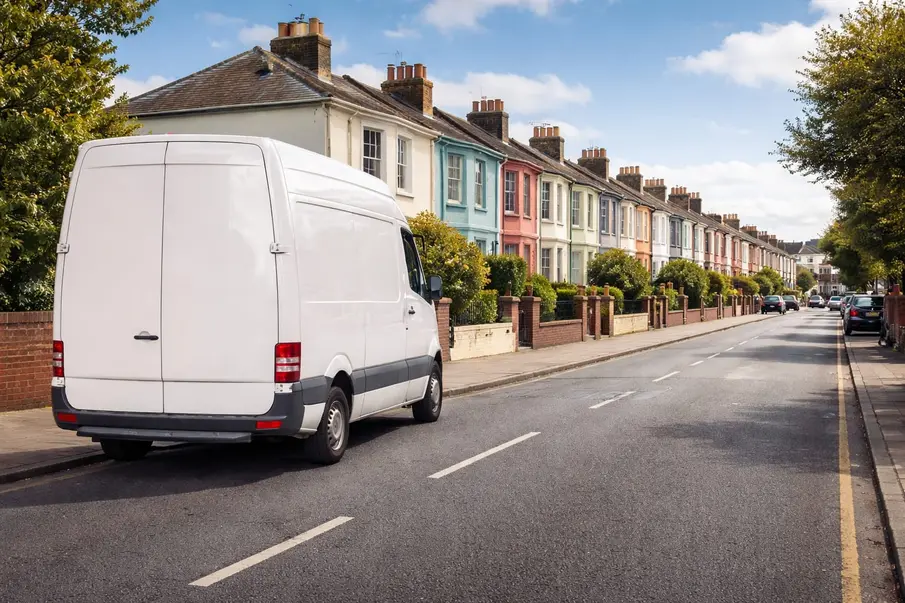
Overview — what makes Shoreham By Sea different for removals
Shoreham By Sea mixes Victorian terraces, seafront flats, semi‑detached suburbs and recent harbourside new builds. That variety creates a wide range of logistical challenges: narrow High Street lanes and quayside access near the harbour, busy A259/A283 approaches at peak times, and a patchwork of parking controls across residential streets. Planning must be tailored to the specific property type and its immediate street layout.
Use removals in Shoreham By Sea first for the core service page. If you want a broader parent-area view around this guide, see Brighton area guide.
Pre‑move preparation (property‑specific)
Terraced houses and Victorian conversions
Terraces on the High Street and in older neighbourhoods often have little or no private parking and narrow pavements. Expect door‑to‑van distances of 10–50 metres on average and limited space to stage furniture. That increases carry time and crew fatigue — build extra labour hours into estimates and check for resident parking permits nearby when arranging a parking suspension.
Flats and converted harbour buildings
Many harbour‑side conversions and older flats have limited or no lift access, small service lifts, and communal entryways that must be protected. Confirm lift dimensions, booking procedures and any building delivery windows well in advance — lifts can force manual stair carries which multiply handling time and should be factored into costs.
In practice, this usually connects with This overview works best when read alongside moving costs in Shoreham By Sea and property access challenges in Shoreham By Sea..
Semi‑detached and suburban new builds
Suburban semi‑detached homes around Kingston/Upper Shoreham often allow driveway parking but may sit on narrow residential roads. New build blocks typically provide loading bays but impose strict booking windows and vehicle size limits — reserve these slots early to avoid waiting charges on the day.
Booking timeline — who to contact and when
Use this Shoreham‑specific timeline to reduce operational friction and unexpected charges:
- 6–8 weeks before: confirm property access type (street, driveway, loading bay), check lift sizes and obtain any building manager delivery rules for flats or new builds in the harbour regeneration area.
- 3–4 weeks before: contact Adur District Council about temporary parking suspensions if the removal vehicle needs exclusive kerb space; start arranging reserve parking for the end address if it lies in a residents’ permit zone.
- 2–3 weeks before: finalise any trans‑load requirements if your street is too narrow for an 18t lorry — identify suitable nearby staging points (seafront car parks or industrial estates by Shoreham Port) and factor in carry distances from those points.
- 1 week before: confirm arrival windows, confirm lift reservations with building managers, and deliver building protection (corner guards, matting) if required by apartment blocks.
- Day before: complete packing, label bulky items needing disassembly, and recheck traffic forecasts for the A259/A283 corridors.
Packing considerations with Shoreham constraints in mind
Packing should anticipate the type of handling required by the property:
- For narrow terraces: pack smaller, stackable boxes to ease stair carries and reduce the chance of damage in tight corridors.
- For flats without lifts: mark heavy items clearly and prepare to dismantle beds and large furniture in advance — this reduces on‑site labour and decreases the risk of delays on the morning of the move.
- For harbour new builds with limited verge space: consolidate goods into palletised batches or protective crates that simplify short trans‑shipments between a smaller local vehicle and a larger depot truck.
Move‑day logistics — practical steps and timing
Arrival and staging
Plan an arrival window outside peak seafront traffic (avoid weekend late mornings in summer). If a parking suspension is in place, ensure the suspended bay is clearly signed and accessible; otherwise the crew may need to use a nearby car park which adds carry distance. For streets off the A259, allow extra time for turning manoeuvres under traffic.
Protecting the property
Buildings in Shoreham’s older areas often have narrow thresholds and delicate flooring. Use stair runners and corner protectors for terraced houses, and check that apartment lobbies will accept floor coverings before the crew arrives — many management companies require advance notification.
Handling lifts and stairs
If the destination has a small lift, pre‑measure bulky items and reserve lift use in time slots. Stair carries in Victorian conversions can add 20–40% to handling time compared with ground‑floor moves — plan crew allocations accordingly and expect slower overall progress.
Unloading in constrained spaces
Harbourside quays and High Street locations may restrict how close a vehicle can park. Where trans‑shipment is needed, account for additional crew, trolleys and protection — this typically adds both time and cost compared with a direct door‑to‑van load.
Area‑specific planning tips
Use local staging points
Identify nearby staging areas such as Shoreham seafront car parks or industrial bays near the port where a larger vehicle can park legally and transfer items via a smaller vehicle or trollies to the final address. This approach mitigates tight turning constraints on narrow streets but increases carry time and handling costs.
Avoid peak seafront traffic
Summer weekends and school holidays create long delays along the A259 and access roads into the town centre. Whenever possible, book weekday morning slots to reduce journey times and the risk of arrival‑window overruns.
Engage building management early
Many newer developments and converted harbour buildings require lift bookings, evidence of insurance, and limits on protective equipment. Request these permissions 2–3 weeks ahead to prevent waiting on the day and to confirm where a removal vehicle may legally load or stop.
If access looks tight, plan for trans‑loading
Where street widths, parked cars and restricted turning make a direct large lorry impractical, build a trans‑load into the plan: use a legally parked larger vehicle nearby and move goods by smaller vehicle or by hand to the property. This adds handling time and should be reflected in estimates.
Further local resources
Check the Shoreham removal area overview at removals in Shoreham By Sea for neighbourhood specifics and consult the wider Brighton area notes at Brighton area guide. For tricky properties with small lifts, narrow corridors or shared courtyards see detailed constraints at property access challenges in Shoreham By Sea.
Planning for Shoreham By Sea requires matching the property type to local access realities: measure lifts and doorways, secure any necessary parking permissions from the council early, and allow extra time for narrow streets, harbourside constraints and summer traffic. Those steps reduce day‑of surprises and help keep time and costs predictable.