
How Shoreham By Sea’s layout and rules change the price of a removals job

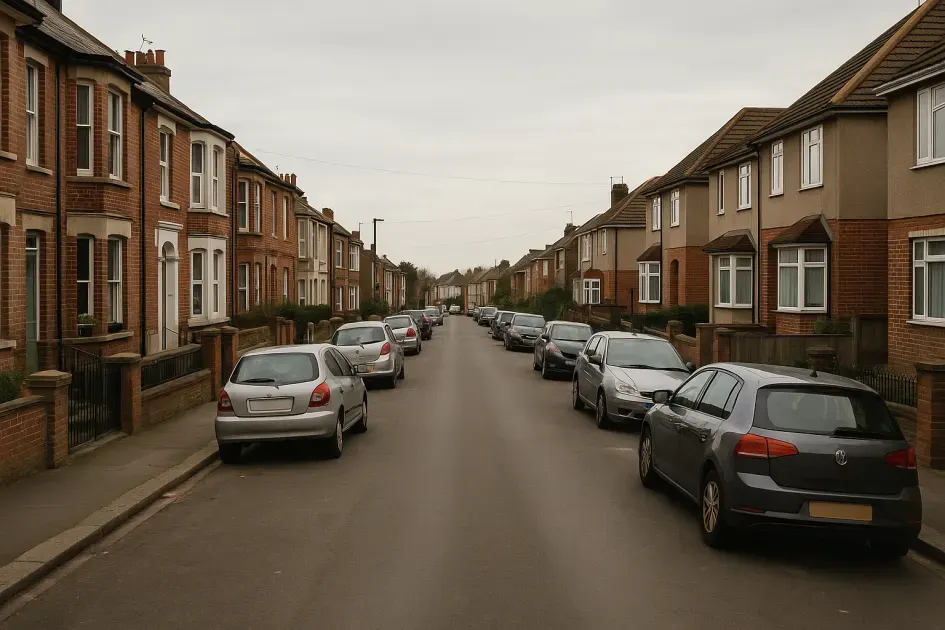
Shoreham By Sea is not a uniform suburb of Brighton — it mixes Victorian terraces, interwar semi‑detached streets, modern seafront flats and new‑build harbour apartments. Those local differences have concrete consequences for every removals estimate: access to the property, how far and how awkwardly items must be carried, whether large trucks can park nearby, and the time crews will actually spend on the job.

Property types and the cost impact

Each property form common in Shoreham changes labour and time in a specific way:

For a parent-area overview, use moving costs in Brighton.

Shoreham By Sea removals service is the main booking page for checking availability, pricing and move details in one place.

  • Victorian terraced houses (Old Shoreham Road, High Street): narrow internal staircases and shallow front gardens mean bulky furniture often must be carried sideways or dismantled. That increases crew time and the likelihood of requiring extra handlers for heavy or awkward items.
  • Flats and maisonettes (seafront conversions and station‑area blocks): converted flats commonly have tighter corridors and no lift, while recent apartment blocks near Shoreham station may have small service lifts that restrict item size. Moves that require multiple short carries or staircase manoeuvres lengthen the job and raise costs.
  • Semi‑detached 1930s suburbs (north of the High Street): these typically offer better kerbside access, but long driveways or parking on residential roads can still create sizeable carry distances, especially when parking suspensions are not available.
  • New builds around the harbour and marina: modern developments may have designated loading bays but also gated access and security checks; delivery windows are sometimes enforced by management companies, which means time penalties if a crew must wait for access.

Access constraints: real local friction

Shoreham’s geography and traffic patterns introduce several specific access issues you should factor into cost estimates:

If you want to separate headline pricing from the details that change the final job, hidden moving costs in Shoreham By Sea and property access challenges in Shoreham By Sea.

  • Narrow lanes and conservation areas: Shoreham Beach and some streets near the harbour are conservation areas with narrow lane widths. Large vehicles cannot drive directly to doorways, so items are carried further on foot or smaller vehicles shuttle between the nearest legal parking and the property.
  • Parking controls and loading restrictions: many central streets are short‑stay or permit bays managed by Adur District Council. If the nearest unrestricted parking is a distance away, the removals operation needs more time or a formal temporary suspension/permit.
  • Station, bridge and harbour approaches: approaches over the River Adur and the slip roads to the harbour can be tight and may have turning or weight restrictions. That can force removal trucks to detour and adds driving time, sometimes billed as travel time in an estimate.
  • Residential estate and gated developments: harbour side developments often impose booking windows for deliveries and require gates to be opened by management — delays here convert to on‑site crew time and higher labour costs.

Vehicle limitations and their cost consequences

Not every Shoreham address is suitable for a large removal vehicle. The practical consequences are:

  • Truck size versus road width: a 7.5‑ton vehicle might reach semi‑detached streets but not the narrow lanes around Shoreham High Street or Beach. When a large vehicle cannot park close, smaller shuttle vans or longer carry distances are needed — both add hours of work.
  • Routing and bridge restrictions: detours around the harbour or via the A27/A259 increase travel time between jobs; travel time and fuel are real line items on estimates for Shoreham moves more often than for central Brighton moves.
  • Loading bay availability: some new developments have on‑site loading bays requiring prior booking or fees. If a crew must wait for access or pay for a commercial bay, that cost appears on the job.

Crew size — how Shoreham specifics change staffing needs

Crew planning is not just about property size; Shoreham’s local constraints alter required staffing:

  • Narrow staircases and bulky items: terraces and older flats often require two or three strong handlers for a single wardrobe or mattress to avoid damage. That increases hourly labour costs compared with a ground‑floor move.
  • Long carries from legal parking: when parking must be on the A259 or at a distance, additional crew are needed to shuttle boxes safely and quickly — each extra person adds to the hourly rate.
  • Complex site access: gated estates or harbour-side apartments that need traffic marshals or a banksman during loading push crew numbers up because someone must manage vehicle movements while others carry items.

Time of day, day of week and seasonal effects in Shoreham

Timing influences both the practicalities and the cost of moving in Shoreham:

  • Weekdays: moving on weekdays often requires a parking suspension in Shoreham’s controlled streets, which has an application lead time and fee. Weekday school runs and commuter traffic on Old Shoreham Road can increase loading times during mornings and afternoons.
  • Saturdays and summer weekends: the seafront, harbour and High Street attract visitors. Higher pedestrian volumes and parked cars reduce available loading windows and create longer load times — Saturday moves in summer are typically pricier because they take longer and demand more time coordination.
  • Time‑sensitive windows: some harbour or new‑build management agents restrict deliveries to certain hours; if a crew must wait for a slot or return later, the overall cost rises as more labour hours are used.

Why Shoreham By Sea fees differ from other parts of Brighton

Comparing Shoreham to central Brighton or Hove illustrates local drivers:

  • Less city‑centre parking competition but more route friction: Shoreham often has available curb space away from the High Street, so parking isn’t always the bottleneck it is in central Brighton — but narrow harbour roads and bridge approaches create routing friction that can increase vehicle travel time.
  • Different council controls: Shoreham falls under Adur District controls for parking and suspensions rather than Brighton & Hove City rules, so permit processes and lead times differ and must be factored into the plan.
  • Property mix: Shoreham’s higher proportion of older terraces and harbour‑side flats means more moves involve stairs, tight corridors and site access conditions; central Brighton has more purpose‑built blocks with large service lifts, which can reduce labour time for equivalent volumes.

Practical planning checklist for Shoreham moves

  • Check whether Adur District Council parking suspensions or loading permits are needed for your street and allow lead time to apply.
  • Survey the route from the A259/A27 approaches to your property — note any narrow lanes, sharp turns or bridge restrictions that could prevent large vehicles reaching the door.
  • Confirm lift dimensions or staircase widths for flats; small service lifts near the station often limit furniture size and require dismantling.
  • Confirm delivery windows with harbour/management companies for new‑build or marina addresses to avoid waiting charges.
  • Plan for weekend or summer timing impacts — higher pedestrian volumes and local events increase load times.

For an overall view of removals pricing across Brighton, including how Shoreham’s specifics feed into citywide cost drivers, see /removals/brighton/moving-costs. For detailed local charge items often overlooked in initial estimates, see /removals/brighton/shoreham-by-sea/hidden-costs and the main Shoreham removals overview at /removals/brighton/shoreham-by-sea.