
When moving in Newhaven is easiest

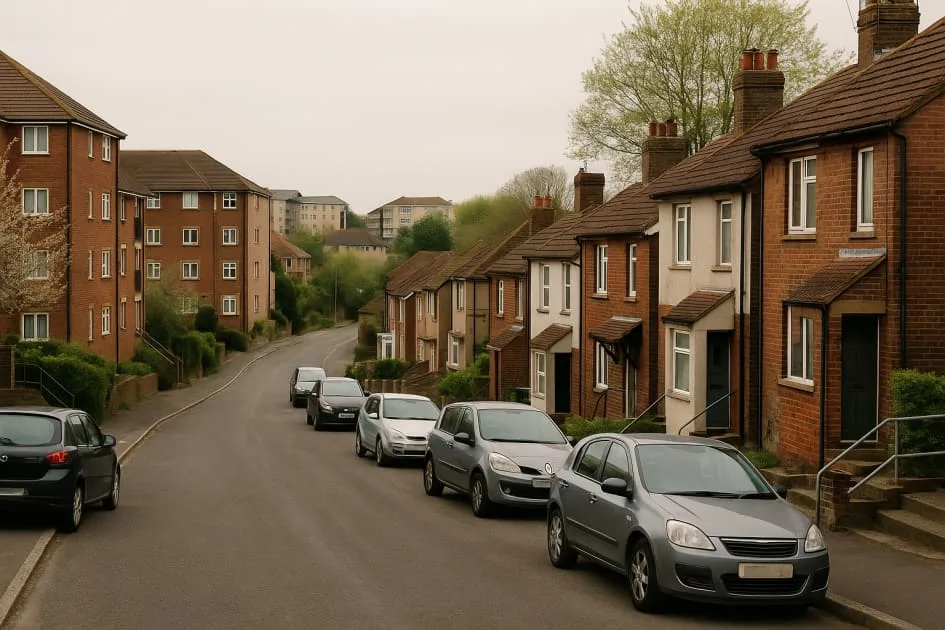
Moves are generally easiest mid-week (Tuesday–Thursday) outside school holiday peaks, when traffic on the A259 and around the ferry terminal is lighter and resident parking bays are more likely to be free. For many of Newhaven's property types — semi-detached suburbs off Meeching Road, new-build courtyard flats on the western seafront redevelopment, and terraced houses in the Old Town — mid-week slots reduce waiting time at loading points and shorten carry distances because parking is easier to secure near the property.

removals in Newhaven is the main move page for checking availability, pricing and booking details.

For the wider picture across the area, refer to Brighton moving timing guide.

Timing decisions are usually easier when you compare this page with moving guide for Newhaven and packing advice for moving in Newhaven.

Why mid-week works in Newhaven

Local traffic: commuter flow between Lewes, Newhaven and Brighton is lower mid-week than rush-hour Mondays and Fridays, so removal vehicles spend less time caught along the A259 and at the Harbour junctions. Operational friction: when parking bays are available close to terraced doorsteps or small-parking courts for new-build blocks, crews avoid repeated return trips and loading windows shrink — lowering labour time and cost.

When moving in Newhaven is hardest

Late summer weekends, end-of-month weekends and days coinciding with ferry movements or local events make moves hardest. The harbour, East Quay and Western Road draw extra cars and lorries, causing queueing and limiting short-term parking close to doors. Narrow lanes in the Old Town and stair-only access in many flats above shops add to carry distances — each adding measurable minutes per item and meaningfully increasing total job time and price.

Seasonal and event-driven crunches

Summer bank holidays and school holidays increase day-tripper traffic to the coast; this pushes parking into residential streets and reduces available kerbside for loading. If your move coincides with a scheduled ferry arrival/departure, lorry queues can temporarily block approaches to the harbour and swing bridge, forcing detours and longer walking routes for crews.

Weekday versus weekend differences

Weekdays (best mid-week): fewer leisure visitors to the seafront, easier kerbside access for large removal vehicles, reduced chance of ferry-related queues. Weekends: more leisure traffic and restricted parking; Saturdays in particular can be busy locally because markets and visitors use short-stay bays closest to terraces and shop-front flats. Practical implication: the same job often takes one to two hours longer at weekends in Newhaven, and any time-overrun can increase overall cost when labour is billed hourly.

Time-of-day matters

Start early: begin loading before 09:00 to avoid morning commuter build-up heading towards Brighton and to secure parking at terraces or gated new-build car courts. Late afternoon moves risk peak return traffic along the coast road and limited parking as people return from the beach.

End-of-month demand spikes and rental cycles

Newhaven experiences demand spikes at the typical UK rental turnover points — especially the last Friday of the month and the adjacent weekend. Landlord changeovers, local rental listings and student movement in the wider Brighton area concentrate bookings. Operationally, this means removal firms in the Brighton & Newhaven corridor allocate crews aggressively, so last-minute bookings cost more and are less likely to include large crews required for properties with long carries or multiple flights of stairs.

Practical consequences

Booking in advance is essential for end-of-month moves. For terraced houses with narrow frontages or flats above shops (no lift), expect extra labour to handle stairs and frequent hand-offs — both increase time and therefore cost during high-demand periods.

School holidays and local traffic patterns

School holidays — especially the six-week summer break and half-term weeks — draw more family visitors to the coast and local parks, swelling parking demand and local traffic. Moves that require crossing the swing bridge or using Harbour Road can be delayed by event traffic. University term starts in September also ripple through the Brighton-Newhaven corridor as removals contractors serve student moves into the city and nearby towns, tightening availability in early September.

How this affects planning

Where a property is a small flat above a shop or a Victorian terrace with steps, plan for longer loading periods during school holidays and early September. If the property is a new-build block with allocated parking courts, the window for loading can still be constrained by visitor parking during holidays — book fixed early slots and clarify access arrangements with the site manager.

Traffic, access constraints and operational friction unique to Newhaven

Road network: the A259 coastal corridor and links to the A26 concentrate traffic through the town; at times the harbour approach and roundabouts near the ferry terminal become bottlenecks. The swing bridge over Newhaven Harbour can open for marine traffic, causing short closures that interrupt vehicle movement close to many harbour-front properties. Ferry terminal activity also brings occasional queues of HGVs which can block direct access to Western Road and nearby residential streets.

Property-type specific issues

  • Terraced houses in the Old Town: narrow pavements, limited verge space and frequent stairs. Carry distances are often longer because the nearest legal parking spot may be metres away on a small side street — add 15–30 minutes per crew round-trip for hand-carrying large items.
  • Flats above shops or small conversions: many lack passenger lifts and have tight staircases. Expect more time and extra staff for safe, careful manoeuvring, which increases labour costs compared with ground-floor moves.
  • Semi-detached suburban houses: typically better vehicle access but still affected by resident parking and permit zones; if on a narrow cul-de-sac, vehicle manoeuvre time can be high and off-loading may require additional time for shuttle runs from legal parking to the property.
  • New builds and waterfront developments: some have gated loading bays or underground parking that require pre-arranged access and sometimes permit authorisation from site management. When access is secured, loading is quicker; when it’s not, delays and re-routing raise costs.

Operational friction examples

Repeated shuttles between vehicle and property, stopping to navigate the swing bridge, or manoeuvring around ferry queues can add 30–90 minutes to a move in Newhaven. Each additional hour of labour increases the final cost and complicates same-day scheduling for contractors working along the Brighton corridor.

Weather considerations that matter in Newhaven

Coastal wind: strong gusts on exposed quays and seafront streets make lifting tall furniture risky and slow down loading. Rain and spray: wet conditions increase handling time (more wrapping, more care on stairs) and introduce slip risks on older flagstones common in the Old Town. Winter storms can also temporarily close certain short roads or cause higher pedestrian numbers near the waterfront, which limits safe loading zones.

Practical planning checklist for Newhaven moves

  • Prefer mid-week, outside school holidays and not on end-of-month weekends to reduce time and cost.
  • Confirm whether the property’s building has a lift, gated parking court or resident-only bays; these details change crew size and time estimates significantly.
  • Account for the swing bridge and possible ferry queues near the harbour when planning arrival times — add at least 30 minutes of buffer if access runs via Harbour Road.
  • Check local parking restrictions and arrange any necessary suspensions or permits early; last-minute arrangements will add delay and fees.
  • Factor coastal weather into timing: avoid exposed seafront loading on forecast windy days and allow more time for wrapping and protecting items in wet weather.

For move-specific planning and access checks in Newhaven, start from the local removals overview at removals in Newhaven and consult the broader timing guidance at Brighton moving timing guide. For packing specifics that reduce loading time and weather risk, see packing advice for moving in Newhaven.