
Why removals costs in Lewes differ from other parts of Brighton

Lewes is a compact, historic market town east of central Brighton with a mix of medieval streets, steep slopes and modern suburbs. Those local characteristics, rather than generic moving factors, are what actually push time and cost up or down when planning a full house, flat or office removal here. Read on for the specific, physical reasons costs change in Lewes and what that means for planning and pricing.

Property type: how terraces, flats, semis and new builds behave in Lewes

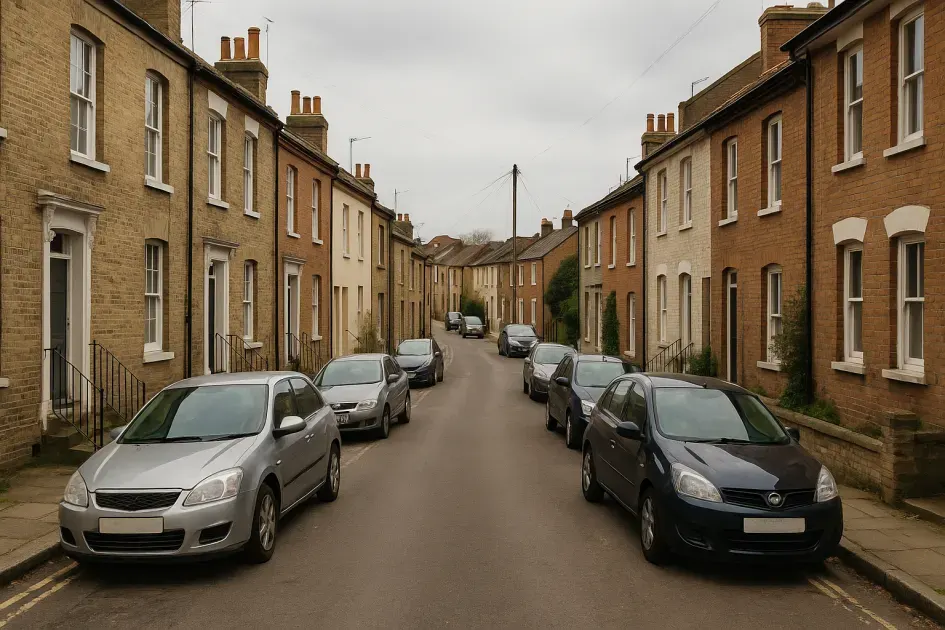
Terraced houses in Lewes’s older areas are often narrow, with tight internal layouts and small frontages. That increases handling time because large furniture may need to be moved section-by-section or partly dismantled to get through doorways and staircases. Flats above shops or in conservation-area blocks frequently have no lift and stair carries lengthen the job and raise insurance and crew requirements. Semi-detached houses in suburban streets generally have better kerbside access but can still present problems — narrow driveways, low gates or steep front paths that slow loading. New-build estates on the edge of town usually give the best access: wider roads, allocated parking and level thresholds reduce carrying time and therefore cost.

removals in Lewes is the main booking page for checking availability, pricing and move details in one place, while moving costs in Brighton gives the wider regional cost picture.

Access constraints you can expect in Lewes

Lewes’s historic centre contains narrow lanes, cobbled surfaces and limited kerbside space. Parking directly outside a property is not guaranteed; legal parking spots can be 20–100 metres away in some cores, so expect extended carry distances. Conservation and listed properties require extra protective packing and may have restrictions on removal equipment near façades. Also note the town’s topography: many streets slope steeply down to the river valley, which increases the effort for each trip between property and vehicle and slows the work rate.

If you want to separate headline pricing from the details that change the final job, hidden moving costs in Lewes and property access challenges in Lewes.

Operational friction: carry distance, loading time and local restrictions

Every extra 10–20 metres of carry in Lewes translates into minutes per trip multiplied across dozens of items. Narrow stairs, tight landings and small corridors create bottlenecks: bulky furniture must be negotiated slowly and carefully, increasing both labour time and the chance that items must be dismantled. Local parking restrictions or the need to use paid town car parks for loading add administrative time and sometimes extra parking charges — see additional details on typically missed extras at hidden moving costs in Lewes.

Vehicle limitations and their cost consequences

Large 18–26 ft removal lorries provide the best efficiency if they can park at the property. In much of Lewes’s historic heart, such lorries are impractical or prohibited; deliveries may need to use smaller rigid vans or shuttles from a legal lorry bay to the property. Each shuttle run incurs additional loading/unloading cycles and fuel costs, and often requires an extra crew member for safety. In contrast, properties on the outskirts with private driveways or wider streets usually allow direct lorry access and a single load, cutting both time and price.

Crew size: matching manpower to Lewes’s realities

Crew sizing in Lewes is driven by stair carries, narrow access and the presence of heavy or awkward items. Typical examples: a one-bedroom flat above a shop with stairs will commonly need two people and extra time; a three-bedroom terraced property with multiple flights of stairs and tight corridors often needs three or four people; office moves with fragile server equipment or bulk shelving may require a larger specialised team. Increasing the crew increases hourly labour cost but often reduces total job hours — the right balance depends on the property’s physical constraints in Lewes.

Time-based cost increases: days, times and local events

Timing matters in Lewes. Mid-week, mid-morning starts avoid commuter congestion on approach roads (A27/A26) and usually keep the job shorter. Early-morning starts, weekends, bank holidays and the days around major local events like Lewes Bonfire Night create higher demand, road closures and parking complications — all of which raise rates and planning complexity. Evening moves or requests for urgent same-day work also attract premiums because of staff availability and extended permit requirements.

Comparing Lewes to central Brighton: why prices often differ

Central Brighton has its own access issues (pedestrianised seafront, parking meters, loading bays) but offers more purpose-built loading bays and larger roads in many areas. Lewes combines a compact historic centre with steep topography and conservation restrictions that more often force shuttle loads, extra protective packing and longer carry distances. Those physical burdens translate into higher labour hours per cubic metre moved compared with some parts of Brighton where a single lorry can park at the property.

Planning for real costs in Lewes

Turn local reality into predictable budgeting: survey the property to confirm stair flights, door widths, and legal parking possibilities; identify local events or roadworks on the move date; and check whether a direct lorry load is feasible or shuttle runs will be needed. For more about local pricing principles across Brighton, see moving costs in Brighton. For common extra charges that catch people out in Lewes, visit hidden moving costs in Lewes.