
When moving in Lewes is easiest
Lewes becomes easiest to move in when local traffic, event activity and tenancy turnover are low. Concretely that tends to be mid‑week (Tuesday–Thursday) in the middle of a month outside school breaks. Mid‑week moves avoid the morning and evening commuter flows on the A27 and A26 that funnel through the town towards Brighton, and they make it simpler to find short-term parking near terraced houses or semi‑detached properties.
Lewes removals service is the main move page for checking availability, pricing and booking details.
Why mid-week helps in Lewes
- Lower congestion on the A27 bypass and A26 approach reduces drive and loading times to and from Lewes station and town centre.
- Parking bays and short-term loading spots in the High Street or Cliffe are less occupied, reducing carry distances for removals from vehicle to front door.
- Mid-month avoids the end-of-month spike that typically increases bookings and delays in arranging permits or loading suspensions with the local council.
When moving in Lewes is hardest
Certain calendar moments and local conditions make moves in Lewes particularly difficult. High-demand periods, major local events, and poor weather combine with the town’s narrow streets and historic properties to increase time and cost.
Timing decisions are usually easier when you this page with moving guide for Lewes and packing advice for moving in Lewes.
For the wider picture across the area, refer to Brighton moving timing guide.
Peaks to avoid
- End of month: The last working day of the month and the 1st generate a concentrated wave of tenancy handovers. Expect limited vehicle slots, longer waiting at loading bays, and higher labour hours for the same size move.
- Weekends and bank holidays: Saturdays are popular for household moves, but in Lewes that coincides with farmers’ markets, local shoppers and tourist traffic in summer — all increasing loading time and parking friction.
- Student and family turnover weeks: Late June/July and early September see student flows and family relocations; roads around Lewes station, Southease Road and residential estates become busy.
- Bonfire Night and local processions: Lewes Bonfire Night (5 November) is exceptional — road closures, large crowds and special police controls make moving through the town centre impractical for several days.
Access constraints that worsen during peaks
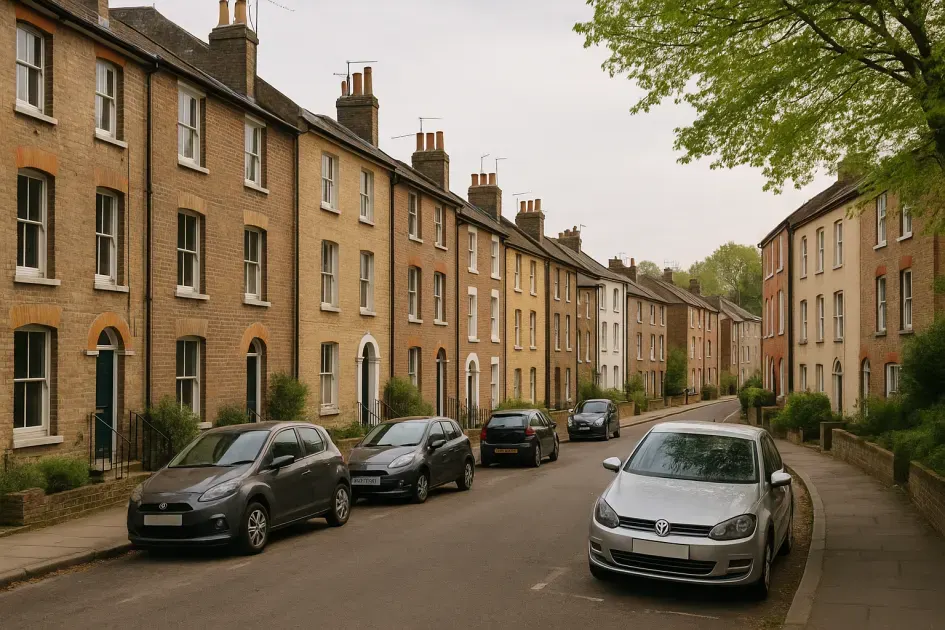
Central Lewes has many terraces and flats above shops with stairs and no lift access, and narrow lanes around areas such as Southover and The Cliffe. New builds and modern estates on the outskirts (for example, parts of Malling and Landport) often have parking courts but tight turning circles. These physical layouts mean:
- Longer carry distances from legally parked vehicle to doorway (30–200m common in town centre terraces), which extends the move duration and adds labour cost.
- Stair carries in Victorian terraces increase handling time; narrow internal hallways sometimes require dismantling furniture.
- Large removal lorries may be unable to get close in steep or cobbled streets, necessitating the use of smaller specialist vehicles and multiple shuttle runs.
Traffic patterns and their operational impact
The A27 and A26 are the main arteries affecting access to Lewes. Morning (07:00–09:30) and evening (16:00–18:30) commuter peaks between Lewes and Brighton lengthen journeys into town and can add an hour or more to travel and loading windows. Localised pinch points — the bridge approaches, the Station Road junction and the High Street — create stop‑start conditions for removal vehicles.
Real-world effects on time and cost
- During rush hour, fewer bookings can be completed in a day because of extra transit time — this tends to push up premium rates on high‑demand days.
- If a large truck cannot park legally near the property, each additional 25m of carry distance typically adds significant manual loading time and may require more manpower or an extra vehicle shuttle.
- Applying for temporary parking suspensions or loading permits with Lewes District Council takes time and sometimes fees; last‑minute requests at peak times may be refused or delayed.
Seasonal and weather considerations specific to Lewes
Lewes sits in a river valley with steep streets leading up from the river and some flood‑plain areas beside the River Ouse. Coastal storms and heavy winter rain can cause local flooding or waterlogged ground, making stair and long-carry moves slower and riskier. Conversely, summer brings more visitors and tourist traffic on narrow roads.
Practical timing notes
- Early autumn and late spring outside school holidays are generally best for predictable weather and lower local visitor numbers.
- Avoid moves on known event dates (especially 5 November) and check local council notices for temporary traffic orders that affect access to terraces and the High Street.
- Where properties are flats above shops or on steep cobbled streets, add contingency time for slower carries and potential dismantling — this planning reduces the chance of overruns on busy days.
Plan ahead — location-specific actions
Because Lewes combines historic streets, town‑centre flats and commuter traffic, successful scheduling balances calendar choice, parking arrangements and weather contingency. For an overview of timing principles across Brighton and nearby towns see the Brighton moving timing guide, and for packing and property access tips specific to Lewes see packing advice for moving in Lewes. For local regulations and practical access notes refer to the Lewes removals hub at Lewes removals service.