
How removals conditions vary across Basildon
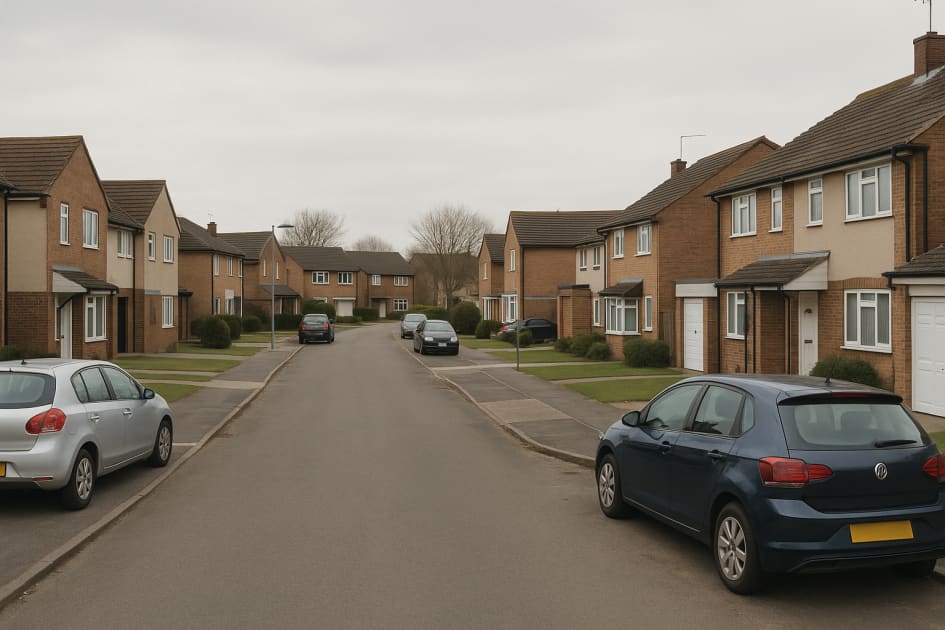
Basildon mixes dense town-centre blocks, suburban cul-de-sacs, industrial edges, and newer estates with management rules. That variety changes how vehicles access, where crews can stage items, and whether lifts or long carries are involved. Planning for these differences keeps loading efficient and reduces disruption.
Neighbourhood access patterns
Town-centre and retail-adjacent streets can have limited loading lanes and busy pedestrian flows, while residential cul-de-sacs often have tight turning circles that affect large vehicles. Some schools and community streets set timed restrictions at drop-off and pick-up periods, which can constrain arrival and departure windows. Rural-edge roads may be narrow or weight-limited, requiring smaller vehicles or shuttling.
For scope, dates, and availability, see the Basildon removals page. For detailed planning support, the following guides are useful:
Property and loading differences
Low-rise terraces may need longer carries from street parking; newer apartments may provide service lifts but require prior booking; bungalows can speed loading but still need doorway and corridor protection. Newer estates sometimes enforce move-in windows, lift padding, and bay reservations, all of which must be secured in advance.
How to plan for different move types
House moves often hinge on driveway access and dismantling large furniture. Flat moves are governed by lift capacity, permitted hours, and loading bay distance. Long-distance moves benefit from early key-time confirmation and a flexible route plan to avoid peak periods at both ends.
City-wide baseline: where time is lost
Common delays include searching for parking, unexpected carry distances, lift sharing with residents, under-estimated packing volume, and late key release. Each adds small increments that can push the finish into restricted hours—so tighten these variables before move day.
Eight local variables that change removals planning
1) Parking distance and bay control
Confirm if a driveway or marked bay is available. Where on-street is required, plan for legal, safe parking as close as possible to reduce carries.
2) Vehicle size and turning room
Tight cul-de-sacs and narrow approaches may restrict large vehicles. A shuttle plan or smaller vehicle can prevent blockages and fines.
3) Floor level and lift capacity
Higher floors without a service lift increase loading cycles. If a lift exists, check dimensions, weight limits, and any booking procedure.
4) Timed access and quiet hours
Managed blocks may limit moves to weekdays or set windows. Align crew arrival, lift bookings, and key release to those slots.
5) Item volume and dismantling needs
Wardrobes, beds, and gym equipment may require partial dismantling. Measure doorways and stair turns to avoid last-minute delays.
6) Loading surface and protection
Long walks across gravel, grass, or polished floors need protection and extra handling time. Stage items to minimize repeated trips.
7) School-run and retail traffic
Busy windows around schools and shopping hubs can slow access. Aim arrivals outside these peaks to keep schedules steady.
8) Key handover certainty
Chain delays cause idle time. Keep a fallback finish plan, and stay in close contact with your solicitor and agent on move day.
Practical planning checklist
- Secure parking or a loading bay as close to the door as possible.
- Confirm lift access, booking windows, and protection requirements.
- Measure large items and prepare dismantling where needed.
- Schedule around school-run and end-of-month peaks.
- Agree a key-time plan with contingencies for delays.
Scenario examples
Example 1: Second-floor flat with a small passenger lift. Book the lift, protect walls, shuttle smaller loads via lift and larger items via stairs with extra hands for turns.
Example 2: Terrace house on a narrow street. Reserve the nearest legal bay, pre-stage boxes by the front door, and dismantle beds the night before to shorten loading cycles.
Example 3: New-build apartment with estate rules. Obtain management approval, confirm permitted hours, and pre-arrange a service-bay window matched to key release.
Apply neighbourhood context
Use local support pages to align access, property rules, and packing plans with nearby areas you may be moving between:


