
Packing advice specifically for moves in Torry, Aberdeen
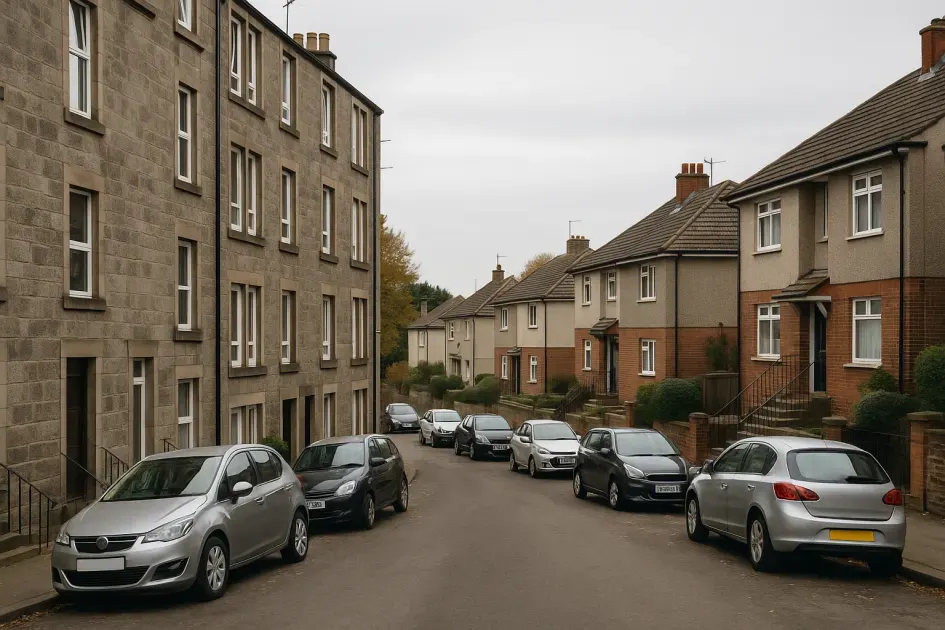
Torry presents a mix of housing types and access challenges: older terraced and tenement flats, semi-detached villas and recent new-build apartments close to the harbour. Each property type and street layout in Torry changes the way you should pack — from how boxes are sized to how items are protected for long carries along steep pavements and narrow streets.
Understand the property type and how it affects packing
Terraced and tenement properties: many of these have narrow internal staircases, tight landings and single-width doorways. Pack heavy items into smaller, balanced boxes so they can be carried two-hand grip-style down stairs, and pre-disassemble tall or wide furniture where possible to get them through narrow passages.
When you need the main booking page rather than background reading alone, start with Torry removals service and use Aberdeen moving timing guide for wider regional context.
To keep planning practical rather than repetitive, connect this page with Aberdeen moving timing guide and Aberdeen removals area guide.
Semi-detached homes and new builds: these often have drive-on or kerbside access, but some modern apartment blocks around Victoria Road have compact service lifts or internal corridors with limited turning space. Measure furniture against door and lift dimensions — an otherwise straightforward item can require extra handling if it won’t fit through a lift or around a corridor corner.
Packing for stairs and flats in Torry
Assume stairs in older Torry flats unless confirmed otherwise. Practical steps:
- Use smaller boxes (20–25kg max) for repeated stair carries — a long flight up or down Torry’s slopes multiplies fatigue and risk.
- Wrap corners of furniture with quilted blankets or foam to protect granite steps and bannisters common in older buildings.
- Label boxes with destination room and ‘stairs’ flag so handlers group runs efficiently and avoid double-handling on awkward landings.
Protecting items for longer carry distances
Torry’s geography — streets that slope down to the harbour and narrow pavements — often forces longer carries from the property to the vehicle. To reduce damage risks:
- Use waterproof covers and heavy-duty shrink-wrap for sofas and mattresses: Aberdeen weather can be damp and windy, so exposure during long outdoor carries is a real risk.
- Secure small, delicate items in reinforced boxes with internal padding (bubble wrap, clothing layers) to avoid breakage from vibration and repeated handling.
- Plan for additional time to move bulky items over cobbled or uneven surfaces — trolley runs over such ground require extra padding and careful braking.
Efficient labelling and loading in restricted Torry streets
Effective labelling reduces loading time and the number of carries along tight pavements:
- Colour-code boxes by floor and room (for example: blue — kitchen ground floor, red — bedroom first floor). This helps in multi-storey tenements where teams stage items by floor.
- Number boxes and maintain a simple inventory; on Torry moves, walking back to find an unlabelled box is costly in time because of slopes and stair climbs.
- For loading, place items that must be unloaded first near the van doors. On streets where the van must park some distance away, that order prevents excess walking and handling.
Preparing for tight access and awkward loading positions
Many Torry streets are narrower than modern suburban roads and can have resident permit restrictions. Practical packing considerations:
- Disassemble wardrobes, bed frames and flat-packable furniture before moving day to prevent awkward angled manoeuvres on narrow landings.
- Measure large items against doorways, stair widths and lift internal dimensions where applicable. A sofa that looks manageable may not clear a 90° landing found in older Torry tenements.
- Keep a small 'first-night' box clearly labelled and separate so it can be carried last into the van and first into the new home, reducing repeated trips up steep streets.
Operational friction: time, cost and planning implications
Every access constraint in Torry translates to concrete operational effects:
- Carry distance and stairs: each additional 10–20 metres of carry or a 15–20 step flight adds handling time. That increases labour hours and can change vehicle choice (smaller lorry + more runs alongside a larger vehicle further away).
- Parking and permits: if you need an on-street suspension or timed bay, apply early. Failing to secure close parking typically means longer carries, which directly raises time on site and therefore cost.
- Loading windows: busy arterial routes such as Victoria Road have busier parking and loading zones — booking a specific loading window avoids delays and prevents being pushed to park further down steep inclines.
Local planning links and final checklist
For timing and season advice that affects packing choices (e.g. weatherproofing and daylight loading slots) see the broader Aberdeen moving timing guide. For Torry-specific timing considerations consult the local page at Torry removals service and the local moving time notes at when to move in Torry.
Quick Torry packing checklist:
- Measure lifts, hallways and stair widths; disassemble large items in advance.
- Use small, sturdy boxes for stair carries, labelled by floor and room.
- Waterproof and protect furniture for longer outdoor carries along sloped streets.
- Secure loading permissions or plan a permitted parking suspension on streets near Victoria Road.
- Create a clearly marked first-night box and an itemised inventory to cut down double-handling.
Pack with Torry’s streets, building types and weather in mind — the right box sizes, protective materials and labelling reduce handling time, lower the risk of damage and keep costs predictable when access is constrained.