
Planning a move in Dyce: what to expect
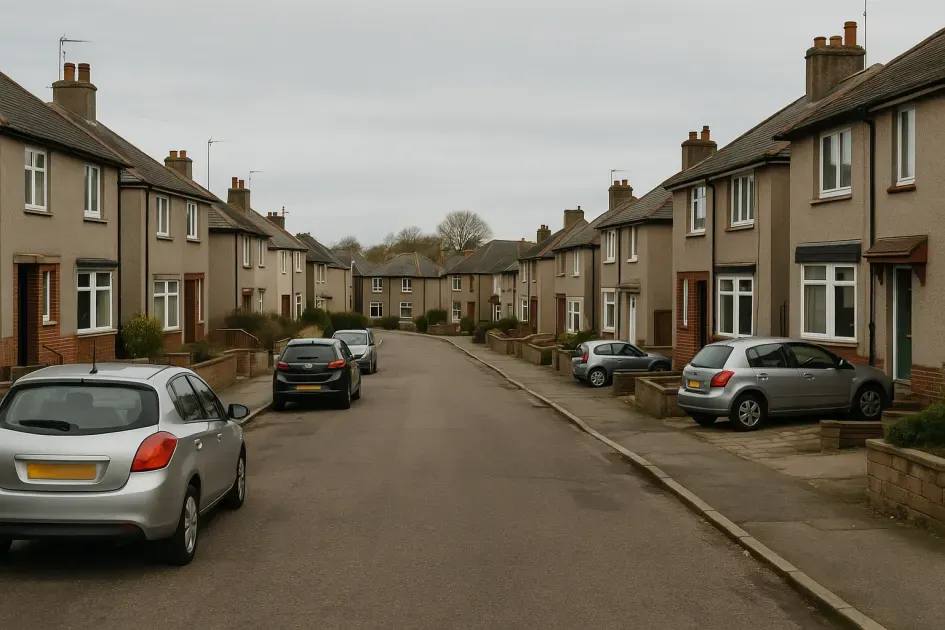
Dyce is a mixed residential and commercial hub on Aberdeen’s north-west side, close to Aberdeen Airport and local industrial estates. That mix affects removals planning: narrow village streets and older terraces sit alongside modern estate cul-de-sacs and apartment blocks with varied lift sizes. Planning here means matching vehicle size, timings and permissions to the specific property type and access constraints.
When you want the main move page rather than general guidance alone, start with removals in Dyce.
For the wider picture across the area, refer to Aberdeen area guide.
Property types and the real moving implications
Terraced homes in the older part of Dyce typically feature narrow doorways and steep staircases. Expect longer carry times and possible dismantling of large items; an apparently short move can add extra hours when every item needs hand-carrying. Flats — especially blocks close to the station or shopping parade — have communal entrances, intercoms and lifts of inconsistent dimensions; lifts that look generous may still be too small for a double mattress or a three-seater sofa. Semi-detached homes usually offer some off-street parking, but drives can be narrow, and a long front garden or gate can increase carry distance. New builds in peripheral estates often have tight turning circles and private roads: large removal lorries may not be able to enter, creating the need for shuttle runs from a legal parking spot which increases both time and cost.
Access constraints to check in Dyce
- Kerbside parking and suspensions — many streets near the village centre and local shops are heavily parked; you may need a temporary parking suspension from Aberdeen City Council to create a safe loading bay.
- Road geometry — estate cul-de-sacs and narrow residential lanes restrict where a large removal vehicle can position for loading and unloading.
- Lifts and stair widths — measure lift internal height and width and stairwell clearances at both properties; some blocks require advance lift bookings with building management.
- Shared or gated access — alleyways and rear garden gates common in older terraces can lengthen carry routes if they remain locked or obstructed on the day.
- Nearby industrial traffic — routes around Dyce can be busy with HGVs during shift changes and airport-related traffic; allow buffer time to avoid delays.
Pre-move preparation (Dyce-specific checklist)
- Survey the property and any route the crew will use: note staircases, lift sizes, gate widths and garden access so the team can plan whether items need dismantling or specialist handling.
To turn the general guide into a tighter move plan, connect it with moving costs in Dyce and Aberdeen access and property guide.
- Check parking: measure the available bay length outside both addresses and start the temporary parking suspension process if needed; allow at least two weeks for council paperwork in busier periods.
- Contact your block manager or factor for flats: ask about booked lift slots, collection of keys, and required insurance or evidence before bulky items can be moved through communal areas.
- Plan for shuttles if your property is on a tight estate road or cul-de-sac: each shuttle trip (truck parked off-site with items carried to/from) typically adds 30–90 minutes depending on distance and the number of items.
Booking timeline and realistic lead times
- 6–8 weeks before: For full-house moves or office relocations in Dyce, start the process—especially if you need parking suspensions or building approvals. This window allows for arranging lift bookings and confirming access on industrial-adjacent roads.
- 3–4 weeks before: For standard semi-detached or bungalow moves with obvious off-street parking, this is usually sufficient. Still confirm lift sizes and any estate management rules for new-build locations.
- 1–2 weeks before: Finalise details — exact arrival time, loading and unloading points, and any key handovers with building management or neighbours. Confirm local traffic conditions for your planned day (avoid local shift-change times).
Packing considerations tied to Dyce properties
- Measure and tag large items: mattresses, sofas and wardrobes that might not fit lifts or through terraced doorways. In Dyce, small lifts are common in older apartment blocks and in some modern low-rise flats, so pre-measuring avoids wasted journeys and on-the-day dismantling.
- Pack for staged loading where shuttle runs are needed: protect high-value items for extra handling and use labelled, stackable boxes so multiple trips can be loaded efficiently.
- Disassemble furniture where possible: tight staircases in older terraces and limited landing space in semi-detached homes increase handling time if items arrive whole.
Move-day logistics specific to Dyce
- Arrival window: avoid early morning rushes around the A96 and times when local industrial shift changes occur. A mid-morning start often gives the quickest overall transit and fewer HGV conflicts on approach roads.
- Staging area: establish a clear loading/unloading spot before arrival. If parking suspension wasn’t approved, identify legal parking alternatives and factor in the additional carry time this creates.
- Lift and communal access: ensure lift keys, fobs or building-manager contact details are to hand. If a lift is booked, confirm the time window so crews can work continuously rather than waiting for access.
- Neighbour and safety briefings: in older Dyce streets, adjacent cars, narrow pavements and shopfronts require careful positioning for trolleys and furniture. Keep pedestrian routes clear and use protective materials on stair and hallway finishes common to older properties.
Operational friction and real-world cost/time implications
- Carry distance: each extra 10–20 metres of manual carry (from a remote parked truck to a front door across gardens or through gates) can add substantial labour time; in Dyce new-build estates this is a frequent cause of longer-than-expected move durations.
- Shuttle requirements: if the removal vehicle cannot access a cul-de-sac or narrow estate road, plan for shuttle loads on a smaller vehicle or multiple hand-carry trips — this typically increases the move time and total cost by 20–50% depending on distance and item count.
- Waiting time and lift bookings: unexpected lift unavailability or a delayed parking suspension approval can introduce downtime for crews. Factor these risks into scheduling to avoid peak-hour surcharges for overtime.
Area-specific tips and final checks
- Notify neighbours in streets of heavy parking in advance — Dyce residents often park on both sides of the street, making positioning difficult on move day.
- If moving near the airport or industrial sites, check local traffic reports for planned roadworks on the A96; allow extra travel time during local events or known maintenance periods.
- For flats, ask for a written confirmation from your factor about lift bookings and any insurance or deposit required for communal-area work — this prevents last-minute refusals on move day.
- Use the local area guide for broader logistics and neighbourhood nuances: area guide for Aberdeen, and if your property has particular layout problems see Aberdeen access and property guide for tips tailored to common Dyce issues.
- Confirm the final plan and vehicle access via the parent Dyce page so arrival details match the street layout: removals in Dyce.
For more detail on this area, read our guidance on choosing when to move. Use the details that apply to your addresses and moving date when planning your booking.