
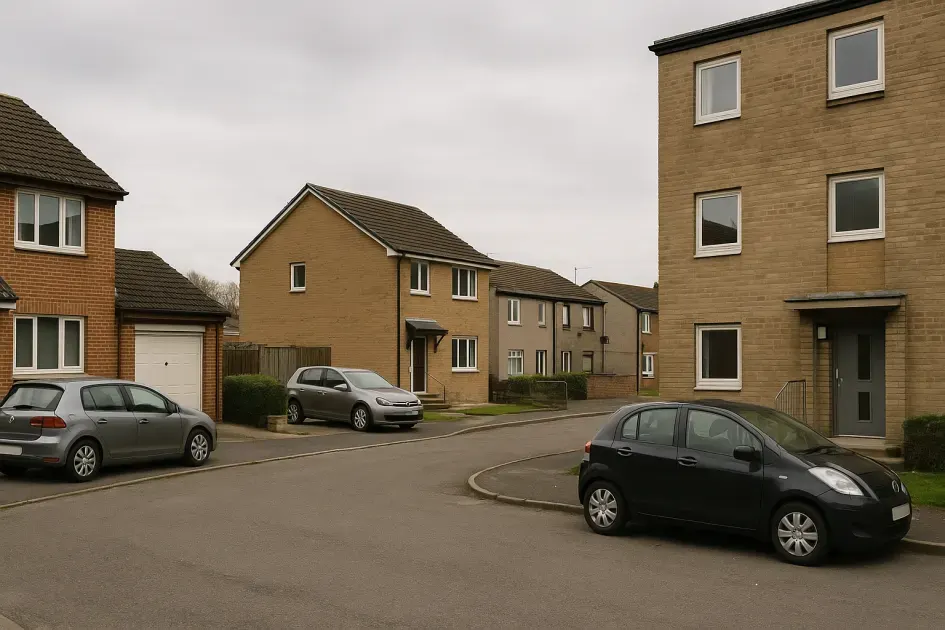
Understanding the physical reality of moves in Bridge Of Don
Bridge Of Don is a suburban area north of the River Don where housing stock and street patterns create a mix of straightforward and complex removals. The close-knit village core, patches of older terraces and rows of post-war semis sit alongside late 20th- and 21st-century housing estates. Each part of the area imposes specific constraints that directly affect how long a move takes, what plant is required and the likely cost.
Terraced houses: tight entrances and vertical handling
The village-style terraces and older streets near local shops and the river tend to have compact frontages and narrow hallways. Many properties have staircases with restricted turning circles where a piano, a double wardrobe or a mattress must be manoeuvred on edge. Practically this means longer handling times per item, extra protective materials for stair rails and floors, and sometimes more crew to move bulky pieces safely. For planning, allow additional manpower and add contingency time for each flight of stairs — underestimating stair carries in these terraces is a common cause of delays.
removals in Bridge of Don is the main booking page for checking availability, pricing and move details in one place.
For a broader regional view, see Aberdeen access and property guide.
Access issues usually sit alongside other planning points, so this page with Aberdeen removals area guide and Aberdeen moving costs guide.
Flats and apartment blocks: lift availability, narrow lobbies and communal access
Flats across Bridge Of Don are a mix of low-rise tenements and newer apartment blocks. Many older flats do not have passenger lifts; even where lifts are present they are often small and unsuitable for large sofas or household appliances. Communal corridors and tight front doors increase carry distance from the lift or stairwell to the flat. Operationally this causes multiple short carries, extra padding and more loading/unloading cycles. For mid-floor and attic flats, additional crew time translates directly into higher move costs and longer schedules.
Narrow roads, parking limitations and vehicle access
Although the A-road approaches and Bridge of Don roundabout accommodate large vehicles, the residential streets branching off are frequently narrow and lined with parked cars. Estate layouts with single-width carriageways and turning restrictions mean a 7.5-ton rig cannot always park immediately outside a property. That forces shuttle operations: a larger vehicle parks on the nearest suitable main road and smaller vans or push-trolleys handle the final carries. Shuttle operations increase loading time and require careful planning for loading bays or temporary suspensions from Aberdeen City Council — failing to secure legal parking can result in fines and interrupted loading schedules.
Suburban estates alongside dense village layouts
Newer suburban pockets around Bridge Of Don have wider plots, driveways and private off-street parking, which makes loading and unloading quicker when a driveway is usable. However, many of the 1990s/2000s developments include long cul-de-sacs and shared surface roads where turning and reversing a long vehicle is impractical. The dense village streets, conversely, demand vertical handling but often have shorter carries from kerb to front door. Operational friction therefore swaps between increased carry times in estates and increased handling complexity in the village core. Both situations should inform staffing and vehicle choice to avoid under-resourcing the move.
New build friction alongside older property constraints
Recent-build homes often come with narrow driveways, integrated garages and internal layouts optimised for modern living — which can mean awkward corridors and built-in cupboards that block sightlines. New-build developments sometimes enforce estate rules for access and have designated contractor gates that require coordination with management companies. Older properties present the opposite set of challenges: uneven floors, shallow doorways, and staircases not designed for modern furniture sizes. Each condition affects the packing strategy, need for sectional dismantling and the time for protective measures.
Operational implications: time, cost and planning considerations
Every physical constraint in Bridge Of Don converts into tangible operational effects. Narrow streets and lack of parking increase loading time and may require shuttle runs, adding hourly labour and fuel costs. Stairs and absence of lifts increase crew time per item — often billed as additional handling. New-build estate access rules or the need for temporary parking suspensions introduce administrative lead time and sometimes fees payable to local management or the council. Weather also affects timing: coastal winds and rain around Aberdeen slow outdoor activity and necessitate more protective wrapping and secure vehicle loading.
Practical pre-move checks specific to Bridge Of Don
- Survey the immediate street to confirm likely parking locations and measure carry distances from probable parking to thresholds.
- Check the flat or block for lift dimensions and the stair width to determine whether large items must be dismantled or removed via windows/balconies.
- If moving into an estate, contact the management company or check estate rules for contractor access gates or specific loading bays.
- Consider a temporary parking suspension from Aberdeen City Council for the day of the move where on-street parking is the only option.
- Factor in weather-related contingencies — extra time for outside carries and added protective materials for upholstery and appliances.
For more general guidance about access and property issues across Aberdeen, see the access and property guide at access and property guide for Aberdeen. For local planning tips tailored to Bridge Of Don specifically, visit the main Bridge Of Don removals hub at removals in Bridge of Don and the neighbourhood moving checklist at moving guide for Bridge of Don.