
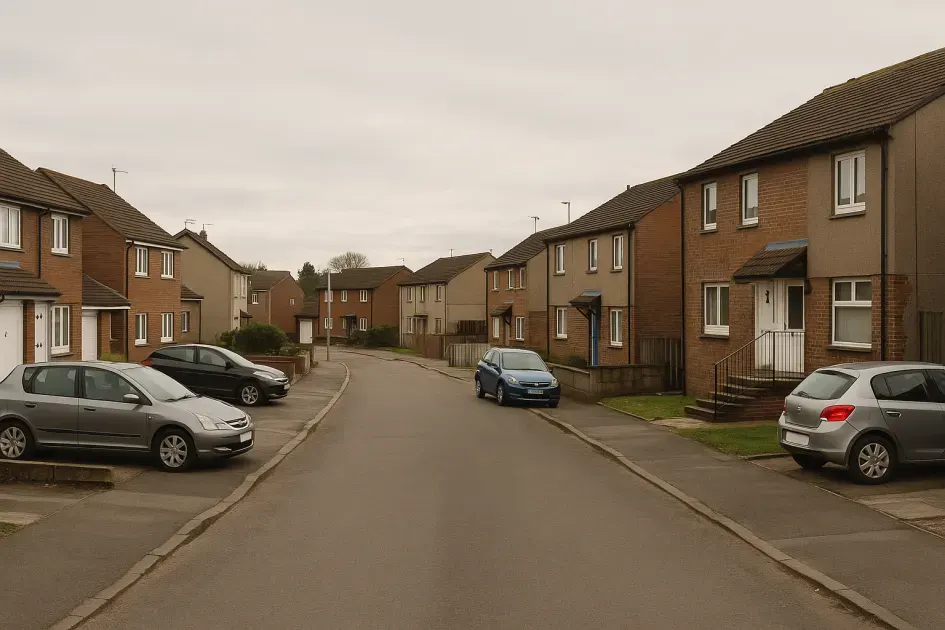
Packing for the types of properties in Bridge Of Don
Bridge Of Don contains a mix of semi-detached 20th-century family houses, modern new-build estates, blocks of flats (both converted and purpose-built) and a smaller number of terraced rows near older pockets. Each property type creates different packing and operational needs that affect time and cost on moving day.
When you need the main booking page, start with Bridge of Don removals service.
For the wider picture across the area, refer to Aberdeen moving timing guide.
Semi-detached houses
Many semis in Bridge Of Don have private driveways and gardens, which makes kerbside access straightforward. For these properties plan to pack heavy items into smaller, reinforced boxes to keep stair carries safe. If garages or drives slope to the road, secure furniture to prevent rolling during transfer. Easy parking reduces labour time, but expect longer handling when large items need disassembly at narrow garden gates.
New-build estates
Newer developments often use cul-de-sacs or gated parking courts where large removal vehicles cannot enter. That increases carry distance from van to front door. Pack fragile or high-value goods in extra padding and double-box where necessary. Operational implication: extra porters or trolley runs are needed, extending load/unload time and adding to cost if specialist handling is required.
To keep planning practical rather than repetitive, connect this page with Aberdeen moving timing guide and Aberdeen removals area guide.
Flats and terraces
Purpose-built flats can vary widely — some have lifts, others are stair-only and some have narrow communal corridors. Older terraces tend to have tighter doorways and stair turns. For flats without lifts, adopt small, manoeuvrable boxes and collapse furniture where safe. For lift-equipped blocks check lift booking rules and protection requirements with property managers before moving to avoid on-the-day delays.
Packing strategies for stairs and flats
Bridge Of Don’s flats and staircases demand a practical approach to packing that reduces handling time and risk of damage.
Box choice and content distribution
Put heavy items (books, files, kitchenware) into small boxes no heavier than 12–15kg so they can be carried safely down stairs. Use medium or large boxes only for light, bulky items like bedding and cushions. Label each box with its destination room and whether it requires stair access — this helps prioritise loading and unloading when stair carries are involved.
Furniture disassembly and protection
Disassemble beds, wardrobes and shelving where possible so they can be carried horizontally through stair turns and narrow corridors. Use corner protectors and foam on table edges; shrink-wrap joined furniture to keep screws and fittings attached. In buildings with communal staircases, lay down protective runner to prevent scuffing and to speed passing through tight spaces.
Protecting items for longer carry distances
Long carries are common in parts of Bridge Of Don where parking courts, traffic calming or parked cars push the vehicle away from the property. These situations require both physical protection of goods and realistic planning for extra time.
Packing materials and staging
Use durable moving blankets, shrink-wrap and robust cartons. For fragile items double-box and add silica gel where goods will be carried across variable weather. Create a staging area inside the property near the exit so boxes for distant loads are grouped and wrapped together — this reduces repeated handling for the same items during multiple trips.
Time and cost implications
Longer carry distances increase labour hours and vehicle turnaround time. When parking limits force a van to sit 30m or more from the door, expect loading time to rise substantially. Factor these constraints into the moving day's schedule to avoid late finishes and to plan for potential additional staffing or trolley usage.
Efficient labelling and loading for Bridge Of Don moves
Clear labelling and a loading plan tailored to local access patterns save time on busy residential streets and in blocks of flats.
Room-based, priority labelling
Label boxes with Room + Priority (for example: Bedroom 1 — 1 of 6; Kitchen — Priority 2) and apply colour-coded tape for each room. For Bridge Of Don properties with multiple entrance points (front door, rear garden gate, communal lobby), add the intended entrance on the label to avoid unnecessary repositioning in stairwells or long garden carries.
Loading order and van layout
Load the van so items needed first at the destination are near the rear. For Bridge Of Don moves where the van must park away from the property, load items for longer carry distances last so crew can stage them quickly for a single extended run. Heavy, low items go in first and are secured; fragile, labelled cartons are placed where they can be unloaded directly into the correct entrance without double-handling.
Preparing for tight access and awkward loading positions
Tight pavements, parked cars on both sides and narrow estate entrances are common in the area and create real operational friction. Advance planning reduces delays and additional cost.
Survey and permits
Carry out an access check ahead of moving day. Identify potential pinch points such as narrow street entrances, low-hanging trees, or gateposts. Where a van would obstruct traffic or where access is limited, arrange for temporary parking suspension or inform neighbours — permit requests through Aberdeen City Council or the property management may be needed and can take time to process.
Practical on-the-day tactics
Put down protective sheeting across stone thresholds, use short-handled trolleys for tight corridors, and keep one person coordinating on the kerbside traffic so loading is not interrupted by passing vehicles. When access forces the vehicle to load at an angle or in a narrow lay-by, secure items more tightly and allow for extra time to negotiate positioning safely.
Final preparation checklist specific to Bridge Of Don
- Confirm parking options for the removal vehicle on your street and apply for any required suspensions or permits in advance.
- Label boxes by room and entrance, and keep heavy items in small boxes for stair carries.
- Disassemble bulky furniture where necessary and protect joins for long carries across drives or communal areas.
- Stage boxes inside near the exit to reduce back-and-forth on properties with courtyards or garden gates.
- Build additional labour time into your schedule for flats without lifts and for moves in cul-de-sacs or new-build courts.
For an overview of when to plan your move in Aberdeen and how timing affects availability and cost, see the moving timing guide at Aberdeen moving timing guide. For general Bridge Of Don removals information, including access notes, see Bridge of Don removals service. If you want seasonal considerations for moving day in Bridge Of Don, the best-time-to-move notes are at when to move in Bridge of Don.