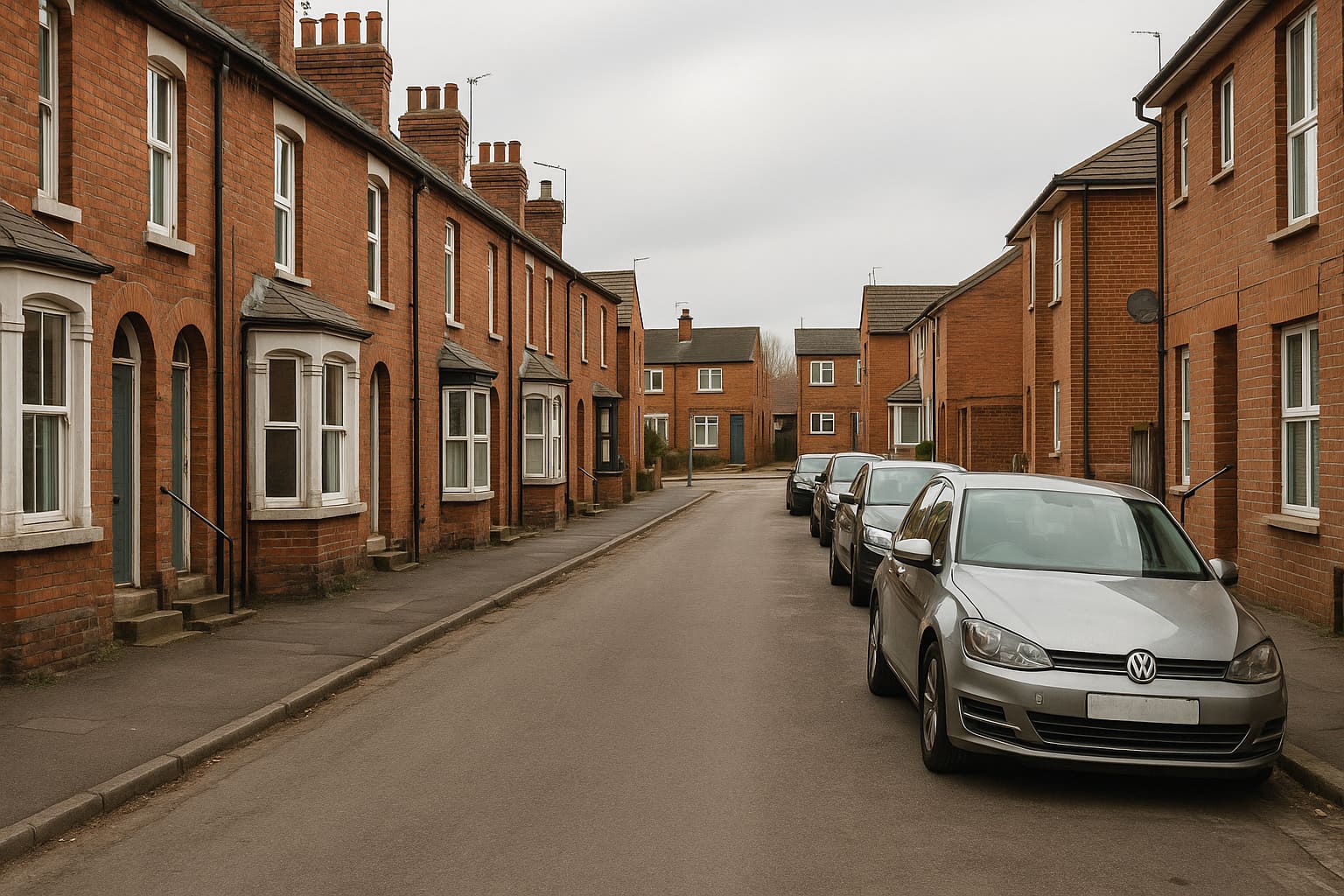
Selby Property Challenges – Access, Layout and Building-Type Friction

Property access challenges in Selby usually come from the route between the room and the van rather than from the size of the town itself. A move can be slowed by stairs, tight entrances, long carries or awkward kerb access even when the overall distance is short.

For the main service page, use man and van in Selby. For parent-area perspective on what tends to affect move costs more broadly, see moving costs in York.

Selby includes compact terraces, family semis and newer estate homes that all create different loading conditions. A two-bed move from a house with direct frontage is very different from a flat with repeated stair trips or a property where furniture has to travel through narrow turns before it even reaches the pavement.

Quick summary

  • Access difficulty is usually about layout, stairs and carry distance.
  • Upper floors, tight hallways and weak stopping positions can all slow a move noticeably.
  • If you are planning a move, this is usually the detail that matters most once the inventory is already known.

Why property access behaves differently in Selby

What makes Selby varied is the way housing type changes from street to street. Some jobs are simple driveway loads, while others involve narrow front paths, side access, shared entrances or a longer walk from the nearest practical bay. The more often the crew has to repeat the same awkward route, the more the pace of the day changes.

It often helps to read this with moving costs in Selby and parking permits for moving in Selby so access and pricing are looked at together.

That is why clear property detail matters so much. One booking journey and vetted local drivers improve coordination, but the building layout still needs to be described properly if the move is going to run smoothly.

Local examples and planning scenarios

A house move may be straightforward until the sofa has to come through a narrow hallway and out to a van parked on the next workable stretch of kerb. A flat move may look light on volume, but repeated stair cycles can slow it more than a larger ground-floor job. In Selby, access realism is often more valuable than optimistic assumptions.

For a fuller planning picture, compare moving costs in Selby and parking permits for moving in Selby. Then return to man and van in Selby when you need the main service page.

Practical advice before booking

  • Note the floor level, any lift, and whether the entrance is shared or direct.
  • Measure tight turns for larger furniture before the day itself.
  • Say if the property sits behind a longer path, courtyard or side access route.
  • Be clear about where the van can work from if direct frontage is not available.

Use this page to understand the access side of the job, then use the Selby booking page for the move itself when you are ready to arrange it through the platform.


Selby Property Challenges FAQs

Common questions about building access and property layout in Selby.

In Selby, the hardest properties are usually the ones where the route is indirect rather than simply large. Property types such as red-brick Victorian and Edwardian terraces close to the town centre with narrow front paths and post-war semidetached houses on estate roads with driveways and garage frontage can all create friction in different ways depending on how the access path behaves.

Yes. Stairs and split routes affect every repeated trip, so they change the pace of the whole move rather than creating just one awkward moment.

Because they can introduce waiting points, access control and route narrowing. They are manageable, but they need to be planned for honestly.

Yes. Lofts, garages and secondary storage areas spread the inventory across more space, which lengthens the loading phase even when the property looks manageable from the front door.

Measure doorway widths, stair turns, lift dimensions where relevant, and the real path from the furthest loaded room to the van position.

Very often. A converted building may look straightforward outside while hiding tighter stairs, less predictable lift access or longer internal routes once the job starts.