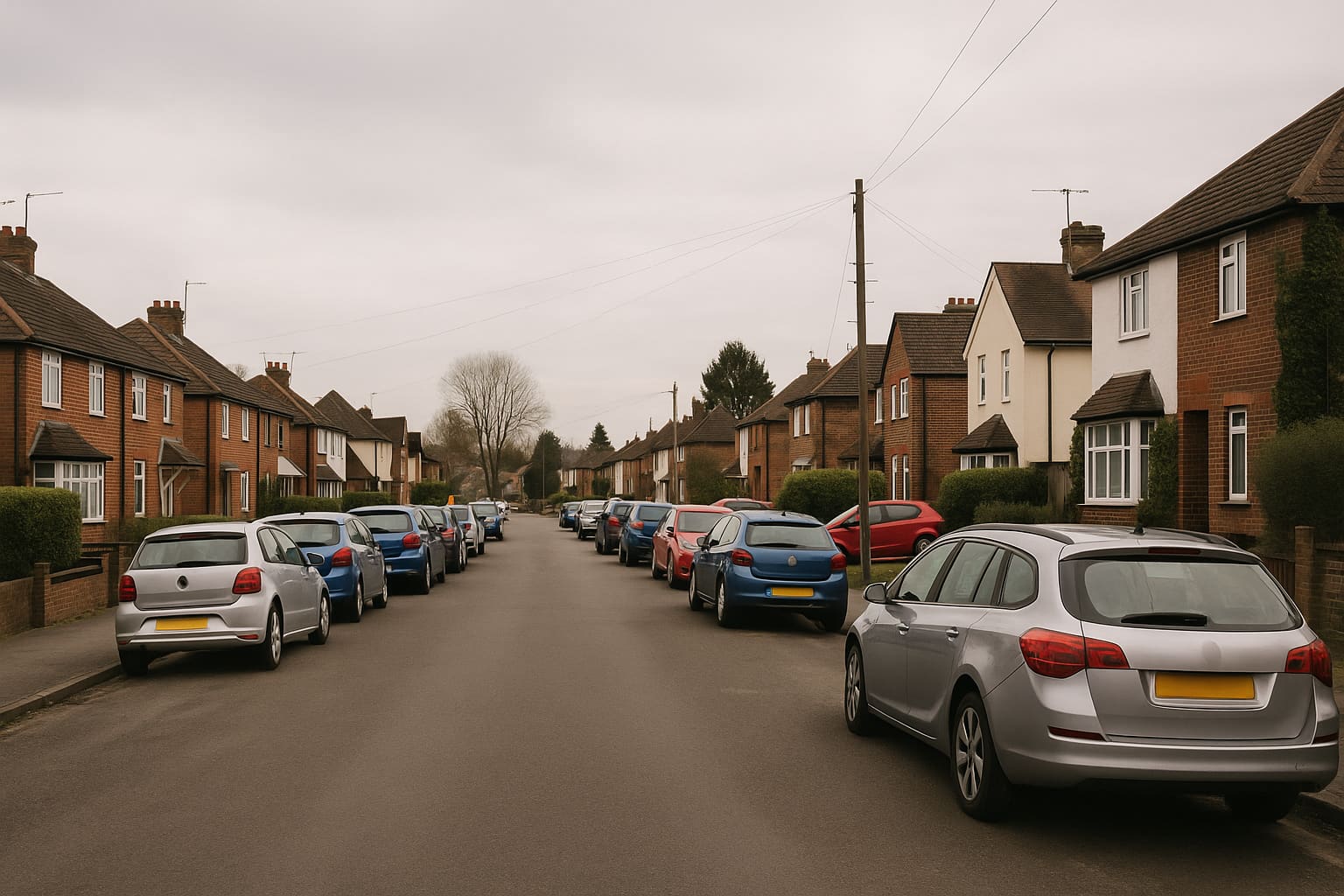
What matters operationally
A good route plan protects the part of the day where the work actually happens: getting items between the property and the van. Traffic only matters because it changes whether the van arrives into a usable space, a booked bay or a lift slot that is still available. When that timing slips, crews can lose more time waiting or carrying further than they ever lose on the road itself. The timing side of that is explored further in when Woking moves tend to take longer. That is visible in areas such as man and van services in Addlestone.
How to plan around restrictions
Check the route, then check the stopping point, and then check the building rules. Confirm where the van can legally wait, how long it can stay, whether a bay or lift must be booked, and whether vehicle height or size matters. Build a buffer so a slow approach does not force the move straight into a missed slot. Clean-air and access rules in Woking are less important than day-to-day realities such as timed bays, permit streets, one-way approaches and managed building procedures, so those are the details that usually deserve the closest attention.
Eight route-planning variables in Woking
Traffic timing patterns
Commuter peaks and school-run periods create queues on key approaches. Planning outside those windows improves the chance of arriving into a usable gap rather than a busy kerb.
Central access constraints
Town-centre streets may have pedestrian hours, narrow lanes or timed loading restrictions. These controls can shorten the unloading window or force a longer final carry.
Kerbside loading conditions
Loading bays, single yellows and controlled parking all change where the van can stop. A closer legal stop usually saves more time than a slightly shorter driving route.
Building access limitations
Lift bookings, concierge procedures and loading-dock rules all affect the flow of a move. If access is shared, timing becomes critical.
Route predictability and delays
Roadworks, temporary closures and event traffic can all create last-minute reroutes. A mapped backup route keeps the day moving instead of forcing decisions on the fly.
Vehicle suitability and access
Height limits, tight turns and narrow estate roads can make a larger van slower overall. Matching vehicle size to the narrowest access point is often the smarter choice.
Parking and permit constraints
Resident zones and controlled streets need permits or prior approval. Without them, the van may stage too far away and every load will take longer.
How clean-air or charge-zone rules affect moves in Woking
No active clean-air or charge zone currently applies in Woking. In practice, timed bays, pedestrian hours and building-managed access are much more likely to shape the route and the day’s timing.
Practical route-planning examples
Example 1: Flat-to-house move near the town centre with a timed loading bay. Arriving just before the permitted window keeps the unload continuous and avoids circling.
Example 2: Terrace street with resident permits only. Visitor permits and a close legal bay reduce the carry and stop the move becoming a long shuttle job.
Example 3: Storage pickup with a height barrier. Choosing the right van and a backup approach avoids wasted time on arrival.
Example 4: Office move with a managed building. Dock booking and lift timing matter more than the short drive between addresses.
Example 5: Cross-town house move during school-run hours. Shifting departure earlier protects both the route and the unloading slot at the destination.
Practical route-planning checklist
- Timed loading bays → Confirm hours and plan staged loading inside the permitted window.
- Permit-controlled streets → Arrange visitor permits or written loading approval before move day.
- Stairs or long carries → Reserve the closest legal stopping point and bring the right handling kit.
- Peak traffic or events → Use an earlier departure and keep a backup route for the main approaches.
- Height or width limits → Check the vehicle against the narrowest access point, not just the postcode.
Apply neighbourhood context
Conditions change by neighbourhood, so check local parking controls, school times and access rules on the exact streets involved. One practical example appears in man and van services in Cobham.

