
Southwick Parking Permits – Loading Access, Restrictions and Planning

Southwick parking planning matters because the wrong stopping plan can slow the whole move before a single box is loaded. This page focuses on kerb access, managed entrances and how to reduce loading friction without drifting into generic city advice.

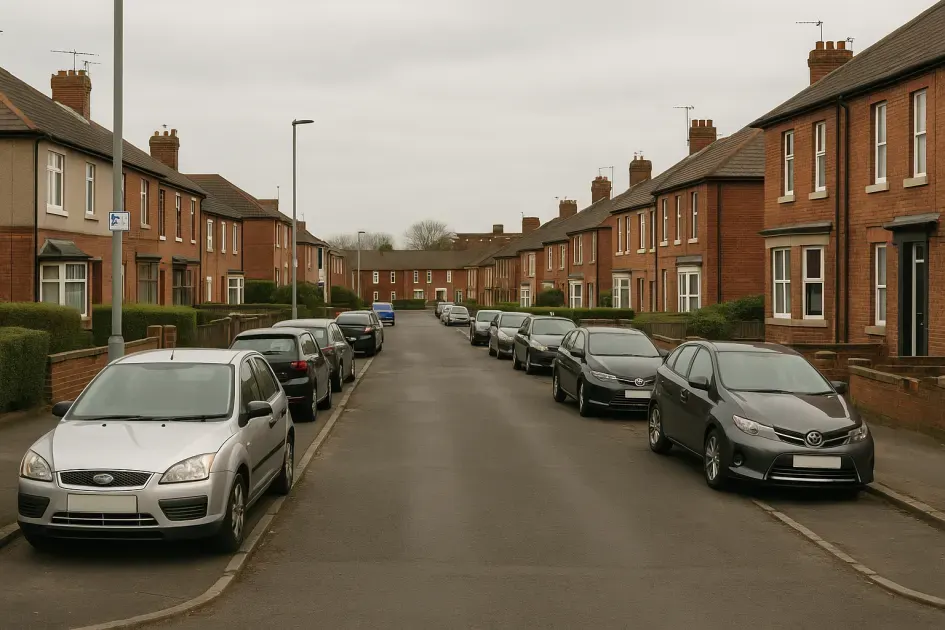
Southwick tends to be shaped by interwar council houses with front gardens and rear service access on estate streets, Tyneside flats with shared entrance passages and split upper-lower occupancy and older brick terraces with short front forecourts and direct pavement frontage. For parking and loading access, that matters because that local housing mix often brings stair access, rear lane access varies in width, surface condition, affecting van positioning and short frontage on older terraces often requires pavement-edge loading rather than direct driveway access, which makes the exact stopping position, entrance sequence and unloading plan more important than the postcode suggests.

Quick summary

  • Loading success depends on the real stopping point, not just the postcode.
  • Common kerbside pressure points include permit or resident-priority kerb space appears on some streets near denser flat sections and rear lanes can help loading where passable, but parked cars, bins often restrict turning room.
  • Building access still matters when unloading depends on stair access and rear lane access varies in width, surface condition, affecting van positioning.

Why parking and loading access behaves differently in Southwick

What looks simple on the map in Southwick can behave differently once the move begins. In Southwick, practical factors like permit or resident-priority kerb space appears on some streets near denser flat sections and rear lanes can help loading where passable, but parked cars, bins often restrict turning room and school-run traffic builds around local primary routes in the morning, mid-afternoon and weekday commuter pressure shape how the day actually unfolds.

That matters whether you are arranging a studio move, a flat relocation or a larger household shift with vetted and approved drivers available through the platform. Clear planning protects time, and time is what usually protects the budget.

Local examples and planning scenarios

A straightforward job in Southwick can still slow down when building access is sequential rather than parallel. One person may be waiting at an entry point while another handles the van, or the team may need to coordinate around lift use, side-street loading or a longer internal walk from courtyard to entrance. Those are ordinary local realities, not unusual complications.

That is why this page works best as part of a clear planning path. The man and van services in Southwick is the main hub for this area. For one closely related angle, see moving costs in Southwick. For a second supporting issue, review property access challenges in Southwick. For broader regional context, see the moving costs in Sunderland. When you are ready to connect local planning back to the full service page, return to the Southwick man and van page. For comparison with other cities, see our moving guides.

Practical advice before booking

  • Confirm exactly where the van can stop, not just the postcode or map pin.
  • Check whether any part of the route depends on fob entry, reception release or lift access.
  • Measure the longest internal path, especially if the property sits behind a courtyard or set-back entrance.
  • Note the busiest local time windows and avoid stacking the move into them unless there is a good reason.

Use this page as a planning layer, then use the Southwick man and van page when you want to request the actual service. Support pages should clarify planning factors rather than duplicate the booking page. That way lies cannibalisation and other structural issues.


Southwick Parking Permits FAQs

Common questions about kerb access and loading practicality in Southwick.

Sometimes, but many private or managed spaces need prior approval. In apartment-heavy parts of Southwick, building access rules can matter just as much as the street outside.

Usually, yes. Even when no formal permit is needed, the important point is knowing how loading will actually work. In Southwick, that often means checking factors such as permit or resident-priority kerb space appears on some streets near denser flat sections and rear lanes can help loading where passable, but parked cars, bins often restrict turning room before the day itself.

Yes. A quieter side street can sometimes be the more practical choice if it shortens waiting time and gives the crew a safer loading position. That is often more useful than forcing a poor stop directly outside.

In some buildings, yes. Where factors such as stair access and rear lane access varies in width, surface condition, affecting van positioning are part of the route, confirming permissions early helps avoid delays with fobs, reception desks or move-in slots.

Confirm the stopping point, any building permissions, any restricted times, and whether there is a backup loading option if the preferred position is blocked.

The move can still work, but the loading route needs to be realistic. In Southwick, where factors such as permit or resident-priority kerb space appears on some streets near denser flat sections and rear lanes can help loading where passable, but parked cars, bins often restrict turning room apply, the extra walking distance should be understood in advance rather than discovered on the kerb.