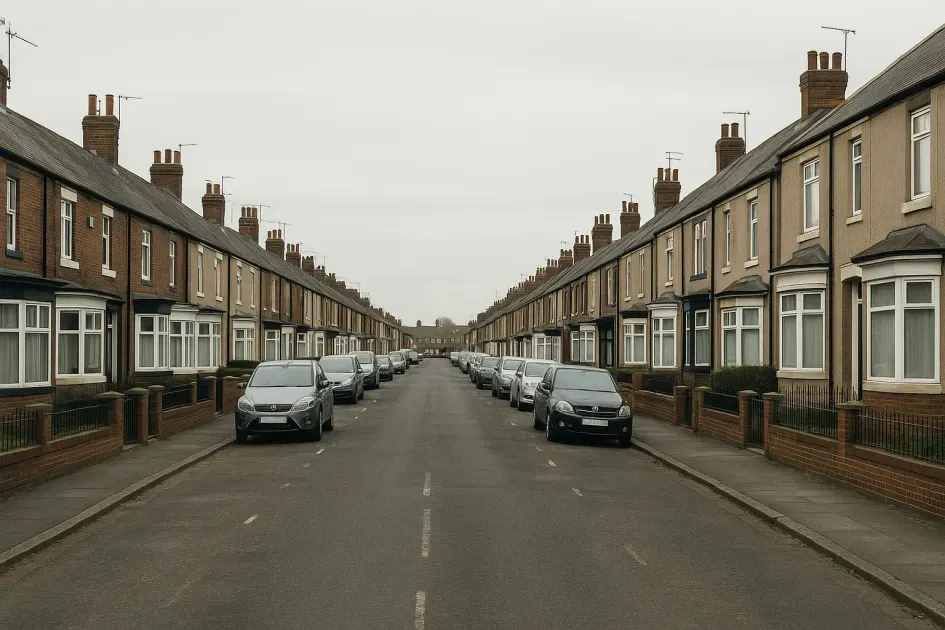
What affects cost planning for moves in Sunderland
Moves often cost more than expected because the slowest parts happen at the kerb and doorway: securing legal parking, carrying along tight terraces, negotiating stairs, or waiting for lift access. The drive can be brief, yet handling dominates the bill.
Distance has less influence than loading and unloading. Short journeys still take longer when parking sits away from the door, the carry route is long, or items must pass through narrow corridors. Stairs always extend handling time, and managed buildings may require lift bookings or loading bays. Parking rules increase time when permits are needed or the van must park further away. Traffic mostly affects timing at school-run and commuter peaks, tightening loading windows. Scheduling pressure becomes clearer when viewed alongside Sunderland demand patterns at different times. Similar time pressures can also appear in man and van services in Pallion.
What affects cost planning for moves in Sunderland
| Cost driver | What changes the time | Why it affects total cost |
|---|---|---|
| Parking access | Kerbside space vs. distant space; permits or time-limited bays | Longer carry and coordination add minutes to every load/unload cycle, increasing total labour hours. |
| Building layout | Stairs, tight corridors, low doorways, lift availability/booking | Restricted routes slow each item move; repeated delays compound across all items. |
| Van size / movers | Capacity relative to load; crew size suited to access | Too small a van or crew forces extra trips and slower handling; the right setup reduces cycles and total hours. |
| Route timing | School-run peaks, roadworks, event traffic | Congestion extends travel segments and narrows loading windows, reducing scheduling flexibility and adding time. |
Typical move price patterns in Sunderland
Pricing scales with duration because crews are billed for labour time and the van on the job. Moves that fit into a short window cost less than half-day work; tasks that run into most of a day cost more. Two addresses that look similar can diverge sharply when one has kerbside access and the other needs permits, stairs or long carries. That pattern is also reflected in how neighbourhood layout changes moving time.
| Move type | Typical time range | What affects duration |
|---|---|---|
| Single-item or micro load | Short window | Kerbside space and a clear route keep handling swift; distant parking or lift waits add delay. |
| Studio / 1-bed with good access | Short window to half-day | Direct doorway access, minimal stairs and grouped items speed loading; stairs or long carries extend time. |
| 2-bed terrace or flat with stairs | Half-day to most of a day | Multiple flights and tight turns slow each pass; parking in permit zones can add shuttling time. |
| 3-bed house or long-carry flat | Most of a day to full day | Volume plus distance to van increases cycles; larger van and coordinated loading can control hours. |
Cost examples by move type
Example 1: Small furniture and boxes with kerbside access
A light load between nearby terraces where the van can stop directly outside. Short carry distance and a clear route keep handling brisk, so cost reflects a shorter working window.
Example 2: Small move with permit parking on an adjacent street
The same light load, but parking is one street away in a permit zone. The longer walk and coordination to maintain a safe loading point add handling time, increasing total hours and cost.
Example 3: 1-bed flat to 1-bed flat, second floor, no lift
Volume is moderate, but stairs control the pace. Every carry takes longer, and the repeated climbs extend the schedule toward a longer block of labour time.
Example 4: 2–3 bed house move via a narrow residential street
A larger load with tight street geometry. Choosing a larger van reduces trips; although the hourly rate may be higher, fewer loading cycles help contain total hours and overall cost.
Example 5: City-centre flat to terrace with loading bay and timed access
Loading bay booking, lift sharing rules, and permit parking at destination create fixed windows and wait periods. Coordinating around these constraints adds buffer time, so the job often spans most of a day.
How to keep the move efficient
- Permit or pay-and-display zone → Arrange visitor permits or prepay sessions and place clear notes for the parking location.
- Narrow street or bus route → Reserve a practical space where allowed and move resident cars the night before to shorten the carry.
- Stairs or long carry → Stage packed boxes near the exit and dismantle bulky furniture in advance to speed each trip.
- Managed building with a lift → Book the lift and loading bay, pad the lift if required, and notify the concierge of timings.
- School-run or commuter traffic → Aim for mid-morning or early afternoon to avoid peak congestion and keep loading windows flexible.
- Lots of small loose items → Pack, label and group by room at ground level to reduce micro-movements.
- Fragile or awkward items → Pre-wrap, clear turning points and measure doorways to prevent rework on the day.
- Multiple addresses or stops → Share exact postcodes, access notes and any height/weight limits so routing is predictable.
Local conditions vary across Sunderland: terraces and permit streets, mixed-density flats, and tighter residential roads each shape parking, loading distance and lift access. Factoring these into the plan keeps time under control.