
What affects moving costs in Stoke-on-Trent
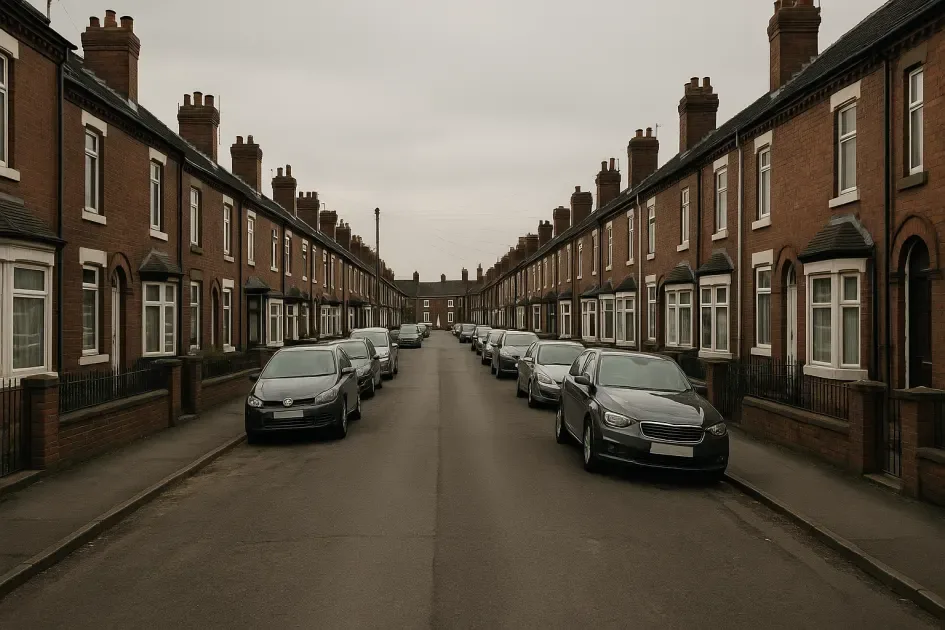
Costs rise when handling slows down. A short local journey can still become expensive if the van cannot park close, if stairs replace lift access, or if a terrace layout forces repeated long carries. The financial difference usually comes from time spent walking, manoeuvring and waiting rather than from road distance alone. That pattern is also reflected in how neighbourhood layout changes moving time. Similar time pressures can also appear in man and van services in Crewe.
Stairs increase cost because each trip moves less volume and takes longer. Parking restrictions raise cost when the van sits further from the entrance or needs to be moved during the job. Lift bookings can help, but shared lifts and timed loading bays can introduce waiting. If you are planning a move, the clearest way to control cost is to reduce avoidable handling time at both ends. Part of that broader picture comes from how route planning affects Stoke On Trent moves. Scheduling pressure becomes clearer when viewed alongside Stoke On Trent demand patterns at different times.
What affects moving costs in Stoke-on-Trent
| Cost driver | What changes the time | Why it affects total cost |
|---|---|---|
| Parking access | Permit zones, no on-site parking, long kerb-to-door carries, re-parking | Longer carries and parking management add repeated minutes, increasing billed labour hours |
| Building layout | Stairs, narrow corridors, split-levels, long internal routes, door removal | Each constraint slows handling flow, multiplying across all items |
| Van size / movers | Too-small van causing shuttle trips; too few movers; access limits on large vans | Suboptimal capacity or team size extends loading cycles and total time |
| Route timing | School-run or commuter congestion, roadworks, height/weight limits | Reduced route predictability adds non-productive time to the schedule |
Typical move price patterns in Stoke-on-Trent
Pricing scales with duration because labour is billed by time. Two similar properties can produce very different totals if one offers driveway loading and the other relies on permit parking, stairs or a long front path. Clear access often matters more to price than the postcode distance between addresses.
| Move type | Typical time range | What affects duration |
|---|---|---|
| Few items or small studio, local | Short window | Direct parking, ground floor and minimal dismantling keep handling fast |
| 1-bed flat, local | Half-day window | Lift access vs. stairs, corridor width and lift sharing change throughput |
| 2-bed terrace across town | Half-day to most of day | Permit parking, long carries, school-run traffic and furniture disassembly add time |
| 3-bed house between districts | Most of day | Driveway vs. street parking, volume handled and larger-van access shape duration |
| Small office or workshop relocation | Half-day to most of day | Loading bay booking, goods lift timing and specialist item handling affect timing |
Cost examples by move type
Example 1: Small ground-floor studio, driveway each end
Direct parking beside the door keeps the move compact. With a straight carry and little dismantling, labour hours stay low and cost remains controlled.
Example 2: Small move with permit parking at drop-off
The route is short, but the destination forces a longer walk from the legal bay. Repeat carries add time quickly, so the final cost rises despite the modest mileage.
Example 3: One-bed flat with shared lift
The lift helps, yet waiting for access and working through narrow communal routes slows unloading. The move becomes more expensive because throughput drops.
Example 4: Three-bed semi on a narrow residential road
A larger van cannot sit ideally near the entrance. Either the vehicle parks further back or items shuttle from a wider point, both of which lengthen the working day.
Example 5: City-centre apartment to terrace during school-run
The pick-up depends on a timed bay, while the destination has tighter frontage parking and stairs. Combined with traffic pressure, those factors stretch the schedule and raise cost.
How to keep the move efficient
- Permit or restricted parking → Arrange a visitor permit or timed loading dispensation so the van can park as close as possible.
- Stairs or tight corridors → Break down bulky furniture and measure routes before the day to avoid slow reworks.
- Shared or managed lifts → Pre-book lift slots and make sure keys or fobs are ready when the crew arrives.
- Long kerb-to-door carry → Stage items near the exit and use trolleys or dollies to increase each trip's payload.
- Peak traffic on key routes → Aim for mid-morning or early afternoon to avoid school-run and commuter disruption.
- Volume and item details → Share accurate inventory and access notes so the right van size and crew are allocated first time.
Stoke-on-Trent combines terraces with permit parking, apartment blocks with managed access and estates with easier driveway loading. Costs stay more predictable when the handling setup is clear before the move starts.
We provide man and van services across the wider area, including man and van services in Longton, man and van services in Nantwich, and man and van services in Stafford, with bookings managed through one platform and handled by vetted local drivers.