
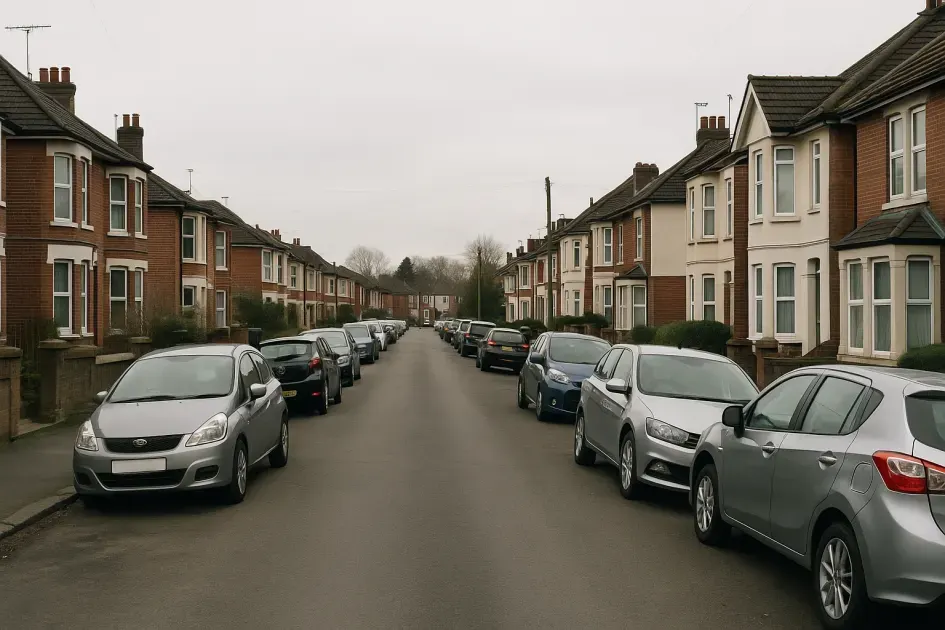
What matters operationally
Good route planning is not only about the drive itself. It is about reaching the address at the right moment, from the right direction, with a van that can actually use the available space. A street with timed bays, bus gates, or a one-way approach can turn a short final stretch into the main source of delay. The shorter and cleaner the path from kerb to door, the more predictable the move becomes. Those access constraints feed directly into how moving costs are shaped by access and time.
How to plan around restrictions
Start by checking the likely approach route against commuter peaks, school traffic, and any event-day pressure. Then confirm exactly where the van can stop legally near the property, especially in central areas or managed developments. If the building has a loading bay, concierge desk, or goods lift, the arrival time should work backwards from that slot rather than being guessed on the day. In practice, the most useful route is usually the one that keeps the loading process uninterrupted. The timing side of that is explored further in when Southampton moves tend to take longer. That is visible in areas such as man and van services in Banister Park. One practical example appears in man and van services in Bevois Valley.
Eight route-planning variables in Southampton
Traffic timing patterns
Commuter peaks, school runs, cruise traffic, and match-day pressure can all slow the final approach. When the route is predictable, more of the day is spent loading rather than sitting in traffic.
Central access constraints
Bus gates, pedestrian-priority stretches, one-way systems, and timed restrictions can change the last part of the route completely. Checking that final approach in advance avoids avoidable detours.
Kerbside loading conditions
Timed bays, resident parking, and limited stopping points often determine whether the van can work close to the entrance. A stable legal stop almost always saves more time than chasing a slightly shorter drive.
Building access limitations
Concierge desks, lift bookings, sign-in procedures, and restricted loading bays all affect the handover from road to property. Synchronising arrival with those rules prevents the crew from standing idle.
Route predictability and delays
An approach that is theoretically faster is not always the best choice if it changes a lot in peak traffic. Reliable routing usually matters more than shaving off a couple of minutes on paper.
Vehicle suitability and access
Street width, turning space, and the final stopping point should all influence van choice. A vehicle that can be placed cleanly often outperforms a larger one that struggles to get into position.
Parking and permit constraints
Resident-only streets and controlled zones often need visitor permits or prior permission. Securing those details early reduces circling and keeps the carry distance under control.
How clean-air or charge-zone rules affect moves in Southampton
No active clean-air or charge zone currently applies in Southampton. Operationally, the bigger issue is still timed loading, pedestrian-priority periods, and managed building access. Plan for those controls first, then add a sensible buffer for traffic or event-related disruption.
Practical route-planning examples
Example 1: A terraced street in Portswood with resident permits: secure visitor permits from the occupant, arrive early to claim the closest legal space, and route via The Avenue outside peak times.
Example 2: City-centre flat with a two-hour loading bay window: pre-stage items by the lobby, plan a direct approach that avoids bus gates, and aim to arrive five minutes into the slot to maximise active loading time.
Example 3: Bevois Valley house with a long kerb-to-door carry: bring dollies and straps, position the van at the shortest legal stop, and assign one person to traffic-watch to keep the pathway clear and continuous.
Example 4: Eastleigh to central Southampton on a football match day: check event timings, route around the stadium traffic, and shift the start earlier so arrival avoids inbound flows and parking pressure.
Example 5: High-rise near the centre with a booked goods lift: reserve the lift and loading bay, confirm concierge procedures, and coordinate arrival to coincide with the lift slot to prevent idle crew time.
Practical route-planning checklist
- Permit-only streets → Request visitor permits/dispensations in advance and display them clearly to secure a close, legal loading point.
- Timed loading bays → Match arrival to the permitted window and pre-stage items to use every minute for active handling.
- Long kerb-to-door carry → Reserve the nearest legal stop, bring dollies/ramps, and organise items by weight to reduce trips.
- Managed buildings → Pre-book the goods lift and any loading dock, confirm sign-in requirements, and align van arrival with the slot.
- Event-day congestion → Check council and venue calendars; adjust start time or reroute to avoid expected bottlenecks near the centre.
Apply neighbourhood context
Street width, bay rules, managed-building procedures, and school-run pressure vary across Southampton. Using that local context to choose the right approach usually makes the route more reliable and the loading process more efficient.