
What affects cost planning for moves in Southampton
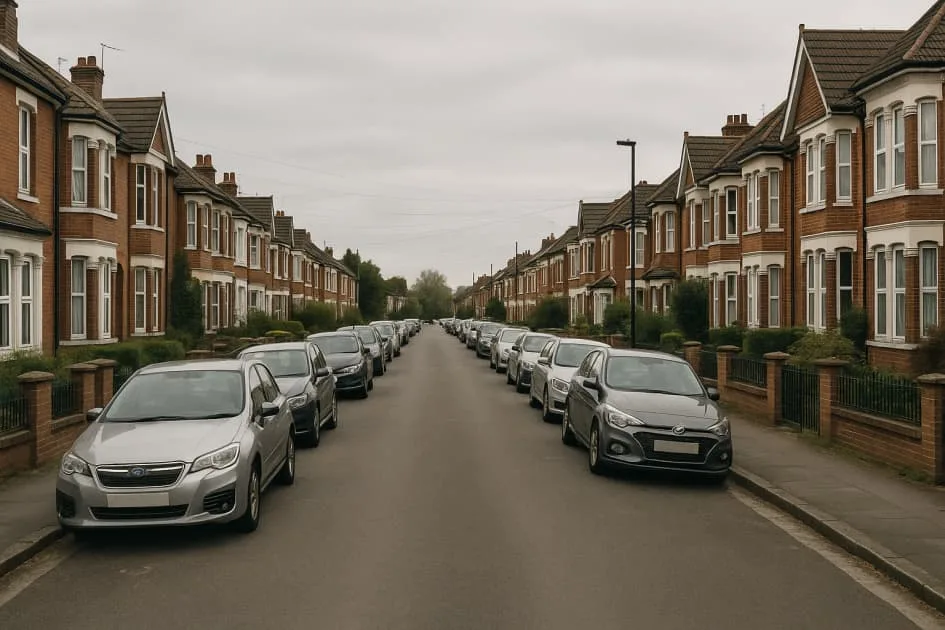
Most cost variation comes from handling time, not road distance. A short move can still be expensive if the van has to stop 50 metres away, if the flat is up two tight flights of stairs, or if the route through the property involves awkward turns and repeated manoeuvring. By contrast, a slightly longer drive may still be efficient when both addresses have simple parking and easy access.
Stairs, long corridors, and poor parking all slow the job because they add minutes to every single trip. The same applies when furniture needs to be dismantled, when items must be carried through shared entrances, or when a lift is booked for a narrow slot. Most delays come from access constraints rather than distance. Part of that broader picture comes from how route planning affects Southampton moves. That pattern is also reflected in how neighbourhood layout changes moving time. Scheduling pressure becomes clearer when viewed alongside Southampton demand patterns at different times. A useful local example can be seen in man and van services in Banister Park.
What affects cost planning for moves in Southampton
| Cost driver | What changes the time | Why it affects total cost |
|---|---|---|
| Parking access | Permit zones, distant bays, narrow streets, or no stopping outside | Longer kerb-to-door carries slow each load/unload cycle, extending labour hours |
| Building layout | Stairs without lifts, tight turns, long corridors, shared loading bays | Reduced handling speed and queuing increase minutes per item across the whole move |
| Van size / movers | Smaller van or under-Crewed team on high-volume or bulky loads | More shuttle trips or slower lifts of heavy items increase total on-site time |
| Route timing | School-run, commuter peaks, event traffic, planned roadworks | Unpredictable travel and arrival windows extend the schedule and reduce flexibility |
Typical move price patterns in Southampton
Costs scale with duration because the labour element grows as the job takes longer. A compact studio with a nearby bay and lift access may stay within a short slot. The same volume in a terrace with permit parking, basement steps, or a long shared hallway can drift well beyond that. Two moves with similar item lists often produce different totals because the loading conditions are not the same.
| Move type | Typical time range | What affects duration |
|---|---|---|
| Single room or few items | Brief single-van slot | Close parking, ground-floor access, prepped items keep handling swift |
| Studio or compact 1-bed | Short to half-day | Lift availability, corridor length, and carry distance set the pace |
| 1–2 bed flat/terrace | Half to most of a day | Stairs, permit parking, and traffic windows expand the schedule |
| 2–3 bed house or split-load | Most of a day to multiple slots | Volume, furniture prep, narrow streets, and loading bay rules add time |
Cost examples by move type
Example 1: Small room move with close parking
Move type: boxed items and a few small furniture pieces from a ground-floor room with on-drive parking. Constraint: none. Result: short carry and straightforward loading keep labour time compact, containing cost.
Example 2: Small flat with permit parking
Move type: compact 1-bed. Constraint: permit-only street; the van uses a designated bay 40–60 metres away. Effect: longer carries add minutes per trip, extending the schedule and raising the total.
Example 3: 1-bed apartment with lift booking
Move type: moderate volume in a managed block. Constraint: lift must be reserved; slot is shared with another resident. Effect: queued access and supervised loading slow progress. Careful timing can avoid peak traffic, but shared facilities still extend hours.
Example 4: 2-bed terrace to nearby semi on a tight street
Move type: larger household with bulky items. Constraint: narrow residential street with limited stopping; carry distance varies. Effect: opting for an extra mover increases hourly rate but speeds heavy lifts and reduces total hours, helping control the final total.
Example 5: Large flat with long internal route and school-run congestion
Move type: high-volume apartment. Constraints: loading bay booking, long corridor-to-lift route, and arrival near school-run. Effect: staged loading, waiting for bay access, and slower travel extend the day. Coordinating lift and bay times is essential to avoid idle crew time.
How to keep the move efficient
- Permit or controlled parking → Arrange a visitor permit or bay suspension so the van can park close, cutting carry distance and load cycles.
- Stairs and narrow corridors → Break down bulky furniture and pad sharp edges to speed stairwork and reduce manoeuvring delays.
- Managed buildings with lifts → Pre-book lifts and loading bays, and confirm time windows in writing to avoid queuing.
- Long carry routes → Stage items near the exit before the van arrives to compress shuttle time.
- Peak traffic routes → Aim for mid-morning or early afternoon arrivals to avoid school-run and commuter congestion.
- Volume uncertainty → Share an accurate list and photos so the right van size and crew are allocated, reducing extra trips.
Southampton’s neighbourhoods vary in parking layout, housing density, and loading conditions. Terraces and permit zones may need advance bay planning, while apartment blocks often require lift or loading bay coordination. Explore the local context below: