What affects cost planning for moves in Reading
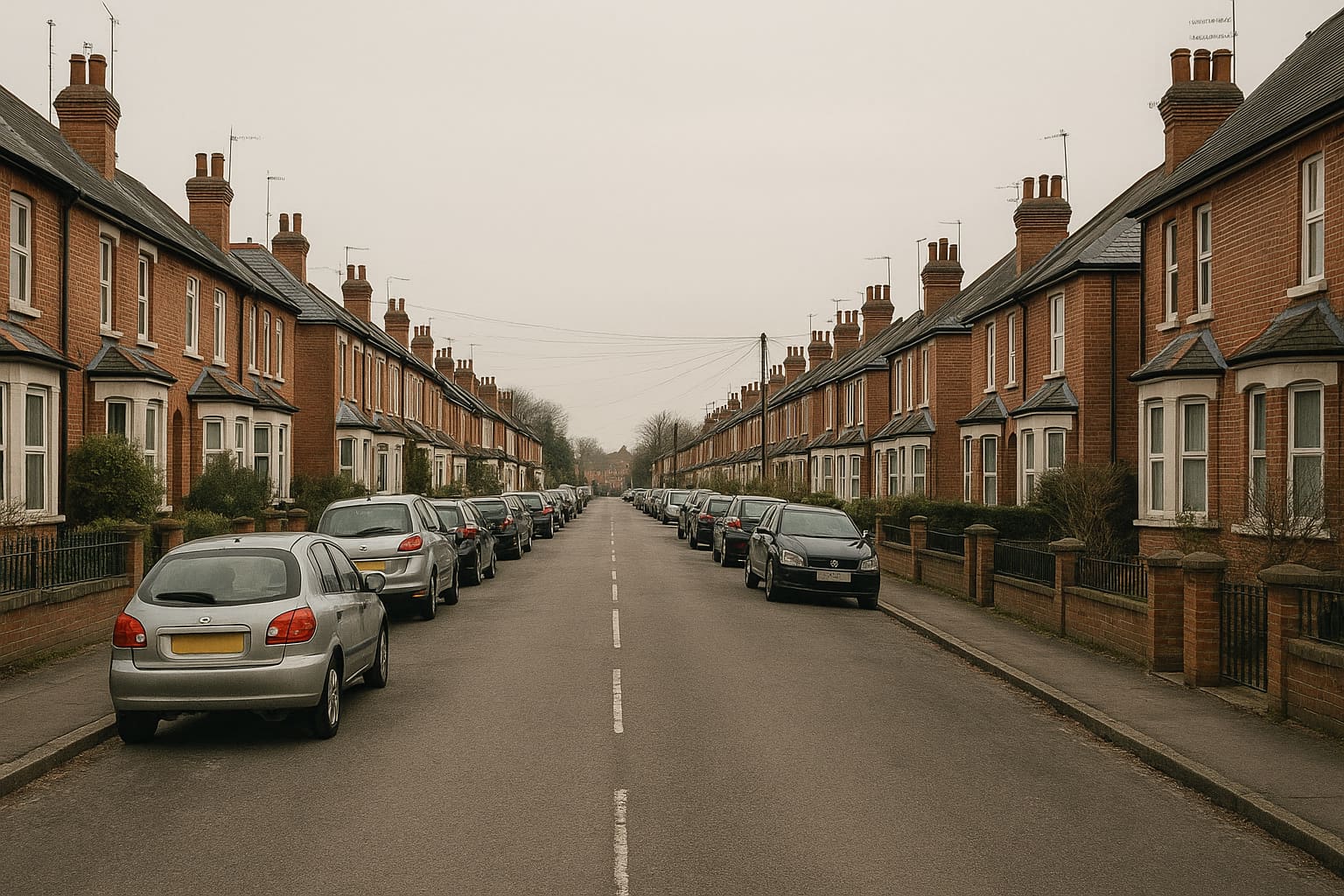
The biggest pricing difference usually comes from how efficiently the crew can work at each address. A short drive can still become an expensive move if the van parks a long way from the entrance, if the building has several stairs, or if a lift is small, shared or time-limited. By contrast, a slightly longer journey can still price well when both addresses offer driveways or easy kerb access.
Most people expect the driving to be the expensive part, but in practice the load often slows down at the doorway, hallway or stairwell. Most delays come from access constraints rather than distance. That is why permits, carry length and internal layout matter so much. Part of that broader picture comes from how route planning affects Reading moves. That pattern is also reflected in how neighbourhood layout changes moving time. Scheduling pressure becomes clearer when viewed alongside Reading demand patterns at different times. A useful local example can be seen in man and van services in Earley.
What affects cost planning for moves in Reading
| Cost driver | What changes the time | Why it affects total cost |
|---|---|---|
| Parking access | Permit rules, bay availability, time-limited stopping, distance from van to door | Longer carries and waiting for a legal space add minutes to every trip and increase labour hours. |
| Building layout | Stairs, narrow halls, lift size, corridor length, awkward turns | Constrained routes reduce how much can move per cycle and often create pauses or rehandling. |
| Van size / movers | Whether the setup matches the volume and bulk of the load | The right combination reduces repeat runs and keeps heavy items moving safely and efficiently. |
| Route timing | School-run traffic, commuter peaks, roadworks, event-related congestion | Slower travel can compress booked access windows and turn a straightforward unload into a delayed one. |
Typical move price patterns in Reading
Pricing tends to rise with complexity rather than distance alone. A compact flat with close parking may fit neatly into a shorter working window, while a similar-sized property with permit-only parking, stairs and a long internal route may cost noticeably more because the same items take longer to move.
| Move type | Typical time range | What affects duration |
|---|---|---|
| Single-item or micro move | Short slot | Quick access, direct parking and ground-floor entry keep handling efficient. |
| Studio or 1-bed flat | Half-day window | Lift availability, carry distance and the number of bulky items usually decide the pace. |
| 2-bed terrace across Reading | Extended half-day | Permit streets, stairs, narrow turns and on-street loading often increase the time needed. |
| 3-bed house or larger local move | Full-day window | Volume, dismantling, outside storage and longer carries all add to the labour time. |
Cost examples by move type
Example 1: Small local move with easy access
A modest load between two homes with clear parking close to the entrance usually keeps labour time down because the crew can maintain a steady loading rhythm without repeated walking.
Example 2: Small flat with permit-only parking at destination
The drive may be short, but the lack of nearby legal stopping turns unloading into a longer shuttle from the van to the building. That extra handling time is what raises the cost.
Example 3: One-bedroom apartment with a shared lift
The building has lift access, but it is small and busy. Fewer items fit each trip, pauses appear between runs and the crew cannot keep unloading continuously.
Example 4: Three-bedroom move during a peak traffic period
The route itself is slower, but the bigger issue is that the later arrival makes the best parking spaces harder to secure. Travel delay then becomes an access delay as well.
Example 5: Managed block with a strict loading bay and lift slot
Both the bay and the lift have to be used efficiently. If the van arrives late or sign-in takes longer than expected, the crew can lose valuable time before unloading even begins.
How to keep the move efficient
- Permit or controlled parking → Arrange visitor permits or legal parking close to the entrance before the day starts.
- Risk of long carries → Stage boxes and loose items near the door the night before to reduce repeat walking.
- Stairs or narrow corridors → Dismantle bulky items early and clear the route so the team is not reworking furniture mid-move.
- Lift sharing or small lifts → Confirm access rules in advance and group items so each trip uses the lift efficiently.
- Managed loading bays → Keep fobs, access codes and booking details ready so the unloading window starts on time.
- Traffic peaks → Avoid the busiest school-run and commuter periods where possible to protect both travel and access timing.
- Inventory clarity → Share an accurate item list so the van and crew match the real workload.
- Keys and access timing → Line up handover times carefully so no one is waiting outside while the clock is still running.
Reading’s neighbourhoods vary widely in how they handle loading. Permit streets, apartment schemes and narrower residential roads can all add time in different ways, so accurate access details usually do more to control cost than focusing on the mileage alone.
