What matters operationally
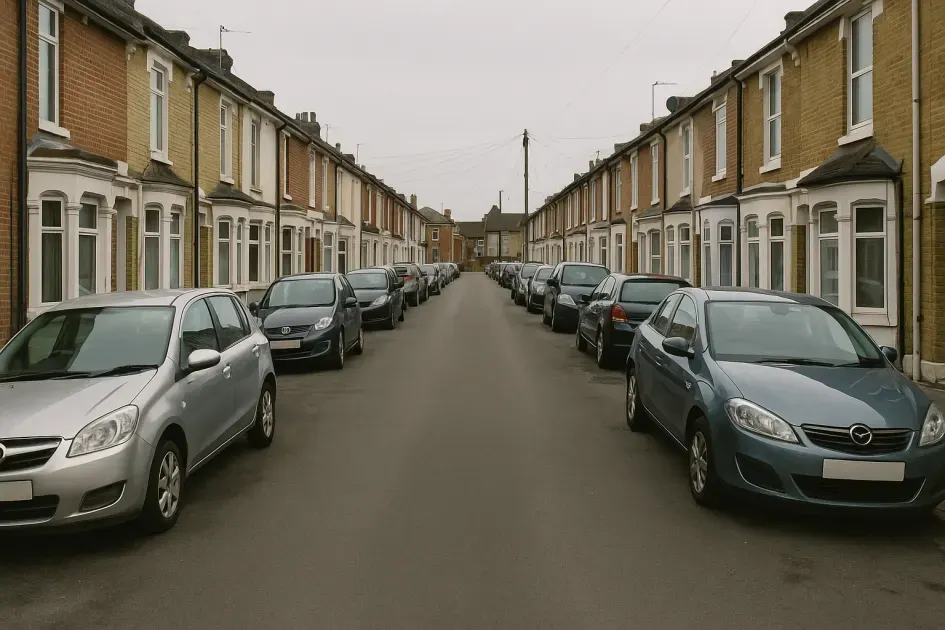
A good moving route does more than connect two postcodes. It has to deliver the van into a legal, workable stopping position at the right time and with enough flexibility left to deal with the property itself. In Portsmouth, that means thinking about one-way systems, timed bays, building access rules and whether the chosen vehicle actually suits the road and loading point. Those access constraints feed directly into how moving costs are shaped by access and time. The timing side of that is explored further in when Portsmouth moves tend to take longer.
How to plan around restrictions
Check both ends of the move properly before the day itself. That means looking at bay signage, permit rules, likely traffic pressure, any lift or loading-bay booking process and whether the street will comfortably take the chosen van. It is also worth checking whether the route crosses the Portsmouth Clean Air Zone and whether the vehicle type used is affected, since the city operates a charging CAZ for some classes of vehicle. Where timing is tight, an alternative approach road or fallback waiting point can save a lot of wasted time. That is visible in areas such as man and van services in Fareham.
Eight route-planning variables in Portsmouth
Traffic timing patterns
Traffic peaks around the M275, the city approach roads, shopping zones and school routes can all affect whether the van arrives in a useful time window. A route that looks direct is not always the route that protects the move best.
Central access constraints
One-way systems, busier pedestrian areas and limited loading windows make some central routes less forgiving than they appear. Knowing the legal approach and exit streets in advance reduces circling and keeps the stop more controlled.
Kerbside loading conditions
Timed bays, short-stay limits and shared-use spaces all affect how long the van can remain in place. When unloading is likely to take time, the exact bay choice matters more than simply reaching the destination postcode.
Building access limitations
Many delays happen after arrival rather than during the drive. Lift bookings, reception sign-in, loading-dock procedures and tight internal routes all need to be factored into the timing before the van ever turns up.
Route predictability and delays
The most useful route is often the one that is easiest to trust, not the one that is shortest on paper. A predictable approach with a backup option gives the crew a better chance of keeping a booked access slot. One practical example appears in man and van services in Gosport.
Vehicle suitability and access
Some Portsmouth streets and property approaches suit medium vans better than longer vehicles. Matching the van to the road width, turning room and bay size reduces the risk of awkward repositioning once the vehicle arrives.
Parking and permit constraints
Permit-controlled areas can change the route plan because the best stopping point is not always available by default. Securing the correct permission is often the difference between efficient loading and a much longer carry.
How clean-air or charge-zone rules affect moves in Portsmouth
Portsmouth operates a charging Clean Air Zone for certain vehicle types, so vehicle compliance may need checking depending on what is being used for the move. Even where charges do not apply, the wider routing decision still needs to account for timed bays, building rules and reliable stopping options.
Practical route-planning examples
Example 1: Southsea terrace with resident permits and school-run pressure: confirm the permit first, then time arrival after the busiest morning flow so the van can stop and start loading cleanly.
Example 2: Flat near Gunwharf Quays with a timed loading bay and lift reservation: plan the approach around the booked access window and avoid arriving so early that the vehicle has to circulate or wait in a poor position.
Example 3: Old Portsmouth one-way streets with limited turning room: use a shorter wheelbase vehicle and a clearer approach road so the van can reach the address without awkward last-minute reversals.
Example 4: City-centre block with managed access and low clearance into the undercroft: confirm vehicle suitability, security process and lift access before finalising the route.
Example 5: Move passing ferry-port traffic during a busy sailing period: choose a calmer corridor and build in enough margin so a short queue does not knock out the unloading slot.
Practical route-planning checklist
- Resident-permit streets → Arrange the correct permit or approved exemption so the van can stop close to the address.
- Timed loading bays → Match arrival to the signed window and keep the first items ready to move immediately.
- Narrow streets and tight turns → Choose a vehicle that suits the geometry rather than assuming the biggest van is the best option.
- Event or port traffic surges → Use a backup approach and leave enough margin for the route to absorb delays.
- Managed building rules → Confirm lift, bay and sign-in requirements in advance so the vehicle is not left waiting outside.
Apply neighbourhood context
Routes and access vary noticeably by area, so check local permit rules, loading limits, street width and building access before finalising the plan.
We provide man and van services across the wider area, including man and van services in Chichester, through one system coordinating bookings with pre-checked drivers and access planning built around the real route constraints.