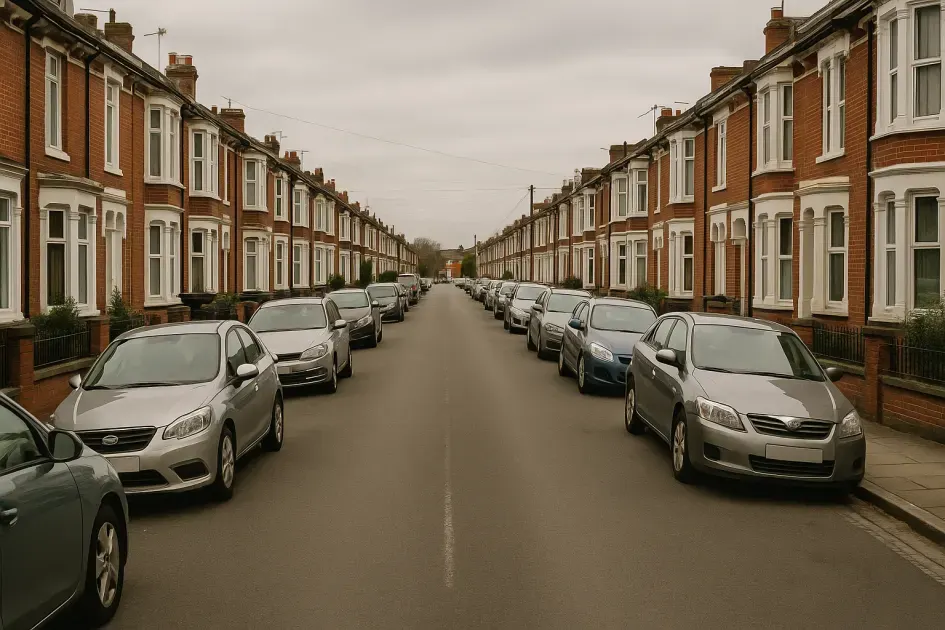
What affects cost planning for moves in Portsmouth
The biggest price changes usually come from access. When the van can stop close, there are no awkward stairs, and the route into the property is straightforward, loading stays efficient and the job finishes sooner. When a move involves permit bays, long carries, shared lifts or narrow hallways, the crew simply gets through fewer trips per hour. Scheduling pressure becomes clearer when viewed alongside Portsmouth demand patterns at different times. Similar time pressures can also appear in man and van services in Gosport.
Distance still matters, but usually as a secondary factor. A short local move can cost more than a longer one if access is awkward at either end. That pattern is also reflected in how neighbourhood layout changes moving time. This helps you avoid the common mistake of judging cost by mileage alone.
What affects cost planning for moves in Portsmouth
| Cost driver | What changes the time | Why it affects total cost |
|---|---|---|
| Parking access | Distance from van to door; permit needs; loading window | Longer carries and waiting for a workable space add labour time quickly |
| Building layout | Stairs, shared lifts, narrow corridors and awkward turns | More careful handling reduces how many items can be moved each hour |
| Van size / movers | Whether the setup matches the volume and access conditions | The right capacity reduces shuttles and prevents the job dragging on |
| Route timing | Congestion, road works and late arrival into booked access windows | Lost time on the road can spill into the loading window and extend the day |
Typical move price patterns in Portsmouth
As a rule, cleaner access means more cost-effective time. A compact flat with nearby parking may be straightforward, while a similar amount of furniture in a top-floor flat or terrace with distant parking can take much longer. The total price generally follows the handling difficulty, not the headline journey length.
| Move type | Typical time range | What affects duration |
|---|---|---|
| Room or partial load | Short portion of the day | Parking position, number of bulky items and how ready everything is to load |
| Studio / 1-bed flat | Half-day to most of a day | Lift access, stairs, shared entrances and the van-to-door carry |
| 2-bed terrace | Most of a day | Permit parking, tighter streets, dismantling and the total volume of boxes |
| 3-bed house | Full day or more | Overall volume, outbuilding items and whether driveway access is available |
Cost examples by move type
Example 1: Small room move with driveway parking
A limited number of boxes and small furniture items from a shared house with a clear driveway. The short carry keeps the move compact and the labour time low.
Example 2: Studio flat with permit bay
The inventory is modest, but the van cannot stop immediately outside. That extra walk on every trip adds time even before stairs or traffic are considered.
Example 3: 1-bed flat with lift sharing
The building has a lift, but it is not fully under the crew’s control. Waiting for access creates small pauses that stretch the overall job.
Example 4: 2-bed terrace with narrow street
The street layout prevents an ideal stop, so loading becomes slower and more stop-start. Handling time rises even though the move itself is still local.
Example 5: 3-bed apartment with loading bay booking
The destination is organised, but timing is rigid. Any delay on the outbound journey or at the pickup can compress the bay slot and force the crew to work around tighter limits.
How to keep the move efficient
- Permit or controlled parking → Arrange a legal, close stopping point in advance so the kerb-to-door carry stays short.
- Stairs or shared lifts → Reserve access where possible and stage the heaviest items nearest the exit first.
- Narrow corridors or awkward furniture → Dismantle bulky pieces and measure problem areas early to avoid slow re-handling.
- Long internal routes → Group boxes sensibly by room so unloading stays continuous rather than scattered.
- Peak traffic periods → Avoid the busiest approach times so access windows at both properties are easier to keep.
- Volume and fragiles → Pack clearly and label well so the van can be stacked logically and unloaded without extra sorting.
- Accurate inventory and access notes → Share floor level, parking details and large-item information so the right van and crew can be allocated first time.
Local conditions vary across Portsmouth, and that is why pricing can vary too. Terraces, apartment blocks, shared entrances and timed bays all change how long the work really takes.
We provide man and van services across the wider area, including man and van services in Ryde and man and van services in Waterlooville, through one platform coordinating bookings with vetted local drivers and a single clear move price.