What matters operationally
The best route is usually the one that delivers a dependable unloading setup, not simply the shortest line on the map. A direct approach only helps if the van can stop legally and close enough to the entrance to keep the carry reasonable. Traffic timing also matters because an avoidable delay can turn a good bay slot into a missed one. On many local jobs, loading time usually outweighs driving time, so the route has to be judged by what it preserves at the property, not just by minutes on the road. The timing side of that picture is explored further in when Nottingham moves tend to take longer.
How to plan around restrictions
Check the final approach at both addresses before the move day. That means looking for bus gates, tram-adjacent restrictions, pedestrian-priority sections, tight turns, height issues and any timed loading rules that could affect where the van stops. Then line that route up with the property itself: if a city-centre apartment needs a bay booking and a concierge check-in, the arrival window has to match the building, not just the road. It is also worth keeping one fallback stopping point in mind in case the first bay is blocked. Nottingham does not currently operate an active clean-air or charge zone, but practical access controls still shape what counts as an efficient route. Those same constraints feed directly into how moving costs are shaped by access and time. A local example can be seen in man and van services in Arnold.
Eight route-planning variables in Nottingham
Traffic timing patterns
Morning peaks, school-run traffic and late-afternoon congestion can all make an otherwise simple route unreliable. A short delay matters most when it causes the crew to miss a bay window or arrive after the best stopping space has gone.
Central access constraints
In and around the centre, bus gates, tram-priority routes and pedestrian-priority streets can break what looks like the obvious approach. The better option is often a slightly less direct route that ends with a cleaner, legal stop nearer the entrance.
Kerbside loading conditions
Timed bays, loading-only spaces and short observation windows are common enough to affect planning. If the first choice is occupied, the van may need to loop or switch to a second option. Reading the bay conditions in advance avoids losing time on arrival.
Building access limitations
Route planning does not stop at the kerb. Managed apartments, offices and mixed-use developments may need pre-booked bays, dock access, lift reservations or vehicle registration. When those are not aligned with arrival, the route may be fine but the move still stalls.
Route predictability and delays
Roadworks, event diversions and temporary traffic controls can turn a reliable local route into a poor one. Having an alternative approach ready matters because the best operational response is often to protect loading continuity, even if the backup route is slightly longer.
Vehicle suitability and access
The right van has to fit the streets and the stop, not just the inventory. On roads with tight bends, crowded frontage or limited bay size, a shorter vehicle may complete the move faster overall because it can get closer and keep the carry shorter.
Parking and permit constraints
Visitor permits, resident zones and short-stay restrictions can all change the final approach plan. Sorting permits early is often worth more than shaving a few minutes off the drive, because it keeps the van in the right place once the job starts.
How clean-air or charge-zone rules affect moves in Nottingham
No active clean-air or charge zone currently applies in Nottingham. In practical planning terms, the bigger issue is still access: bus gates, bay rules, building controls and local traffic patterns decide whether the route supports an efficient move or creates extra carrying distance.
Practical route-planning examples
Example 1: A city-centre flat with a timed loading bay needs arrival inside a narrow window. Items are staged close to the lobby so the crew can load steadily and avoid losing the bay mid-move.
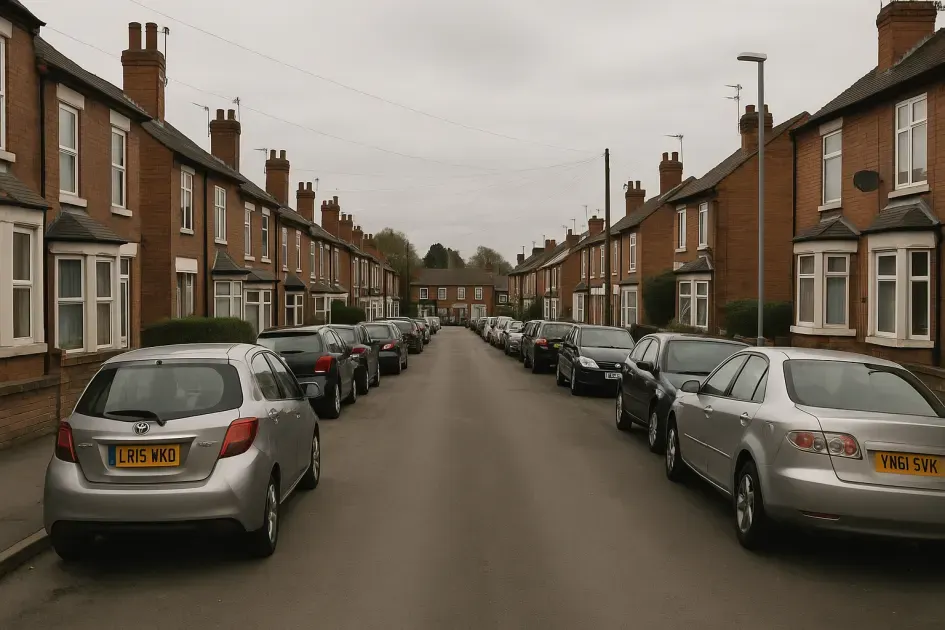
Example 2: A terraced road near a school has permit parking and a brief traffic peak around drop-off time. Planning the arrival between peaks keeps the van closer to the entrance and reduces walking distance.
Example 3: An office move into a managed building requires a dock booking and lift access. The route is planned around the booked slot so the van reaches the site when the building is actually ready to receive it.
Example 4: A flat inside a pedestrian-priority area has no immediate kerbside access. The plan uses a legal side street, trolleys and a controlled carry route rather than risking an unrealistic near-door stop.
Example 5: A weekend move near a central event uses an alternate approach and backup loading point. That way, if the first bay is blocked or stewarded, the move still continues without a major reset.
Practical route-planning checklist
- Timed loading bay windows → Match arrival and crew readiness to the posted times and stage items early.
- Bus gates and restricted turns → Choose an approach that remains legal at the actual arrival time, not just in general.
- Resident-permit or short-stay limits → Arrange permits or dispensations so the van can hold the best legal position.
- Managed building access → Confirm bay bookings, lift holds, dock access and any vehicle registration before travel starts.
- Event-day congestion → Check local notices and keep a backup approach or secondary loading point ready.
Apply neighbourhood context
Across Nottingham, route planning works best when it reflects the local mix of street width, bay rules, traffic timing and building management. The route should support the carry, not fight against it.