What affects cost planning for moves in Nottingham
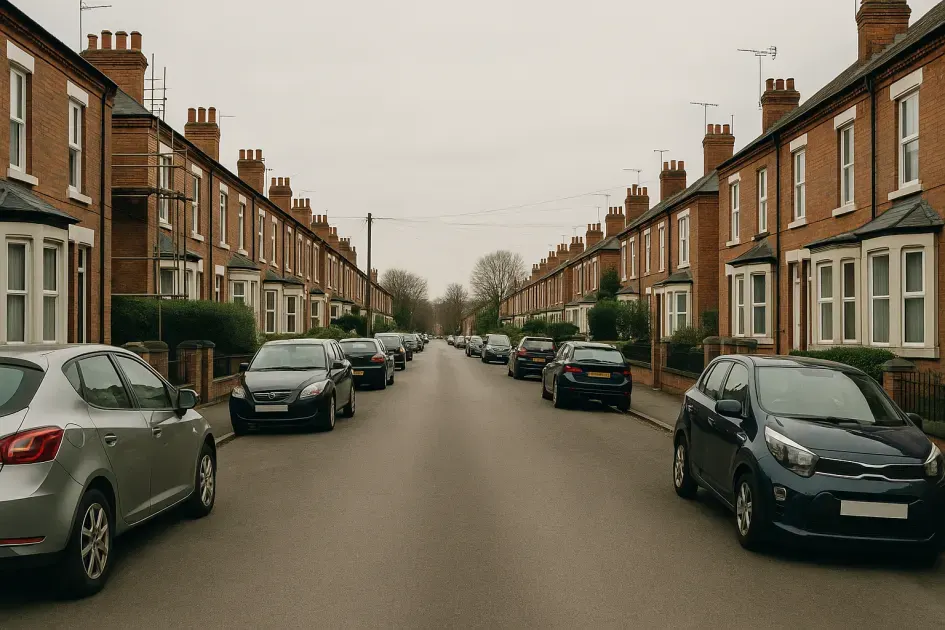
Pricing rises when access slows the crew down. A van at the door, a ground-floor entrance and a direct carry route keep labour time under control. By contrast, a flat above shops, a terrace with no nearby parking, or an apartment with a shared lift can add repeated delays. In practical terms, the price moves with the pace of loading and unloading. For broader background, see main Nottingham booking page.
Distance still matters, but usually less than people expect on local jobs. A cross-city drive may add only a modest amount of time, while a fourth-floor flat with no lift or a narrow road with no legal stopping point can add a lot more. Loading time usually outweighs driving time. That same logic is reflected in how neighbourhood layout changes moving time. Availability pressure also feeds into cost, particularly at busier times, and that is easier to understand alongside Nottingham demand patterns. A useful local example appears on man and van services in Arnold.
What affects cost planning for moves in Nottingham
| Cost driver | What changes the time | Why it affects total cost |
|---|---|---|
| Parking access | Permit zones, timed bays, narrow streets, distance from kerb to door | Longer walks and waiting time slow the crew, so the same move takes more billable labour hours |
| Building layout | Stairs, long corridors, small lifts, awkward turns, split-level flats | Each item takes longer to move safely, reducing throughput and increasing the total time on site |
| Van size / movers | Vehicle capacity, crew size, furniture dismantling needs | The right setup avoids repeat trips and bottlenecks; under-resourcing usually pushes the job into extra time |
| Route timing | School-run traffic, event congestion, restricted loading windows | Unreliable travel compresses loading slots and can delay unloading, which adds time across the day |
Typical move price patterns in Nottingham
Pricing usually follows duration, not a fixed city-wide rule. Small jobs with clear access often fit into a short booking window, while larger home moves can spread across most or all of the day. Two moves with similar volume may still price differently if one is an easy driveway-to-driveway job and the other involves timed bays, stairs and long internal carries.
| Move type | Typical time range | What affects duration |
|---|---|---|
| Few items or part-load within the city | Brief window | How close the van can stop, lift access, and how direct the carry route is |
| Studio or small 1-bed flat | Half-day | Flights of stairs, dismantling, and whether the building has a reliable lift |
| 2-bed terrace across town | Half to most of a day | Permit parking, narrow streets, alley access and the length of the kerb-to-door carry |
| 3-bed house suburban to suburban | Most of a day | Overall volume, driveway access, garden paths and timing around school-run traffic |
| Small office move | Half to full day | Loading bay rules, shared lifts, equipment handling and how tightly the move is scheduled |
Cost examples by move type
Example 1: Small sofa and boxes, driveway to driveway
Move type: a few items between houses with clear off-street parking. The van stays close at both ends, the carry is short, and loading runs continuously. That keeps labour time low for the volume involved.
Example 2: Studio flat with stair-only access
Move type: compact flat on a short local route. Constraint: several flights of stairs and a narrow stairwell. Even with a light inventory, each trip carries less and takes longer, so time rises faster than the distance would suggest.
Example 3: 2-bed terrace with permit parking
Move type: moderate home move between older residential streets. Constraint: limited legal stopping and a longer walk from the bay to the front door. The crew spends more time shuttling items, which increases labour hours and total cost.
Example 4: 3-bed house, cross-city at peak times
Move type: larger family move. Constraint: traffic on the approach and a timed arrival at the destination. Road delay alone is manageable, but when it eats into unloading time the whole move becomes more expensive.
Example 5: City-centre apartment with loading bay booking
Move type: apartment move with lift access. Constraint: fixed bay window, shared lift and longer corridor from lobby to flat. The time pressure is not the route across Nottingham but the stop-start handling once the team arrives.
How to keep the move efficient
Good preparation lowers costs by protecting productive loading time. The aim is simple: remove delays before the crew arrives, keep the carry route clear, and match the van and crew to the property rather than relying on a generic estimate.
- Permit-only street → Arrange a visitor permit or identify the nearest legal loading place in advance.
- Long kerb-to-door carry → Stage items near the exit and clear paths through halls, gates and communal doors.
- Stair-only access → Pack sensible box weights and dismantle bulky furniture before the move starts.
- Lift sharing or booking window → Reserve the lift where possible and tell building management the planned move time.
- Narrow terrace roads → Leave suitable frontage if possible so the van can stop closer and avoid repeated shuttles.
- Peak traffic risk → Set departure and arrival outside the busiest local periods to protect access windows.
- Uncertain item list → Share an accurate inventory so the right van size and crew level are planned first time.
Nottingham includes driveway-friendly suburbs, tightly parked terrace streets, warehouse flats and newer apartment blocks, all of which change how labour time is spent. The better the access plan, the more control you have over cost.
Local moves are covered across the wider area, including man and van services in West Bridgford, with bookings coordinated through one system and handled by pre-checked local drivers.