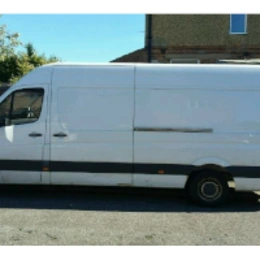
Parking and loading in Wolverton are rarely just about whether a permit exists. The more practical question is whether the van can hold a safe, workable position close enough to the entrance for the crew to keep the move flowing.
tighter street parking and mixed residential layouts where the van position often decides how efficiently the job runs can make a short job feel much slower if stopping is improvised on the day. Parking restrictions are often a bigger issue than distance because every extra carry adds repeated minutes.
Wolverton parking planning matters because the wrong stopping plan can slow the whole move before a single box is loaded. This page focuses on kerb access, managed entrances and how to reduce loading friction without drifting into generic city advice.
Use man and van service in Wolverton first for the core service page. If you want wider parent-area context around permits and access, see ULEZ guide for Milton Keynes moves.
Wolverton parking planning matters because the wrong stopping plan can slow the whole move before a single box is loaded. This page focuses on kerb access, managed entrances and how to reduce loading friction without drifting into generic city advice.
Use man and van service in Wolverton first for the core service page. If you want wider parent-area context around permits and access, see ULEZ guide for Milton Keynes moves.
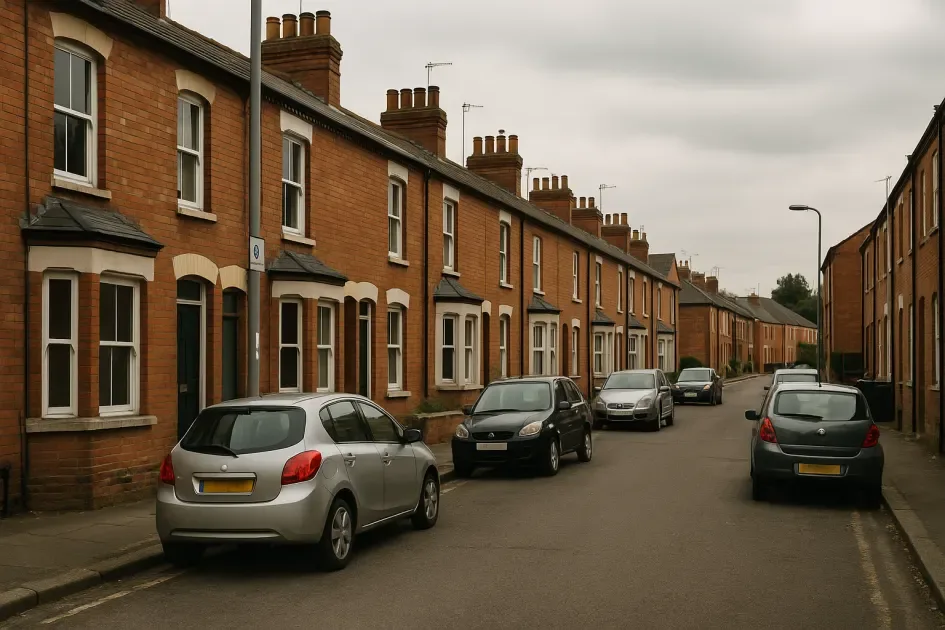
Wolverton tends to be shaped by railway-era red-brick terraces around Wolverton town streets with short front paths and direct pavement access, 1960s to 1980s estate houses around Greenleys with cul-de-sac layouts and shared parking courts and modern apartment blocks and townhouses near Wolverton Mill and Stratford Park with managed entrances and allocated bays. For parking and loading access, that matters because that local housing mix often brings permit-controlled residential streets where van stopping needs short loading windows or visitor permits, tight terraced streets with limited turning space, requiring staged loading from one end of the road and variable lift access, which makes the exact stopping position, entrance sequence and unloading plan more important than the postcode suggests.
In practice, this usually connects with For the parts of the move that often sit beside permit planning, compare property access challenges in Wolverton and moving costs in Wolverton..
Moves tend to run best when the loading point is agreed before the van arrives. That may mean confirming building rules, understanding where hazards or obstructions sit, and checking whether the preferred space is realistic at the time you plan to move.
This helps you avoid delays on moving day. On a coordinated platform with vetted local drivers, better kerbside information usually leads to a smoother arrival, faster loading and fewer avoidable pauses once the job is underway.
In practice, a permit issue is often really a loading-route issue. A van that must stop around the corner, behind another row of cars or outside a managed entrance can still serve the job, but the handling pattern changes immediately and the crew needs to know that in advance.
Wolverton parking planning matters because the wrong stopping plan can slow the whole move before a single box is loaded. This page focuses on kerb access, managed entrances and how to reduce loading friction without drifting into generic city advice.
Use man and van service in Wolverton first for the core service page. If you want wider parent-area context around permits and access, see ULEZ guide for Milton Keynes moves.
Wolverton tends to be shaped by railway-era red-brick terraces around Wolverton town streets with short front paths and direct pavement access, 1960s to 1980s estate houses around Greenleys with cul-de-sac layouts and shared parking courts and modern apartment blocks and townhouses near Wolverton Mill and Stratford Park with managed entrances and allocated bays. For parking and loading access, that matters because that local housing mix often brings permit-controlled residential streets where van stopping needs short loading windows or visitor permits, tight terraced streets with limited turning space, requiring staged loading from one end of the road and variable lift access, which makes the exact stopping position, entrance sequence and unloading plan more important than the postcode suggests.
In practice, this usually connects with For the parts of the move that often sit beside permit planning, compare property access challenges in Wolverton and moving costs in Wolverton..
This part of Milton Keynes creates its own loading rhythm. In Wolverton, practical factors like limited on-street stopping and allocated bays on newer developments that do not always allow space for a long-wheelbase van to load and school-run congestion builds on local routes through greenleys, near residential primary schools in the morning, mid-afternoon and weekday commuter pressure shape how the day actually unfolds.
That matters whether you are arranging a studio move, a flat relocation or a larger household shift with vetted and approved drivers available through the platform. Clear planning protects time, and time is what usually protects the budget.
A straightforward job in Wolverton can still slow down when building access is sequential rather than parallel. One person may be waiting at an entry point while another handles the van, or the team may need to coordinate around lift use, side-street loading or a longer internal walk from courtyard to entrance. Those are ordinary local realities, not unusual complications.
To connect permit detail with the rest of the move plan, compare property access challenges in Wolverton and moving costs in Wolverton. Once permit planning is clear, go back to local man and van in Wolverton for the main service page.
Keep this page for the parking and permit side of the plan, then return to the main service page when you are ready to book. That keeps the advice focused and avoids turning a support page into a general landing page.
Common questions about kerb access and loading practicality in Wolverton.
Usually, yes. Even when no formal permit is required, the important part is knowing how loading will work in practice and whether the preferred stopping place is realistic.
Sometimes, but many private or managed spaces need approval. Visitor bays, concierge rules and move-in slots can all matter before the van arrives.
Confirm the likely stopping point, any building permissions, any timed restrictions and what the backup option will be if the preferred space is unavailable.
The move can still work, but the extra carry distance should be understood in advance. That is usually where the time loss begins.
In some buildings, yes. Managed access, fobs, receptions or pre-booked lift use can all affect how quickly the move gets going.
The exact answer depends on the loading route, stopping practicality and building rules, but clear parking planning nearly always makes the day easier.