What affects cost planning for moves in Milton Keynes
Moves cost more when crews spend longer handling items: walking farther from van to door, negotiating stairs or tight corridors, or waiting on lift or loading-bay slots. Distance along the road matters far less than the time spent loading and unloading. Short journeys can still be time-heavy if parking is distant or the building route is more awkward than it first appears.
Stairs increase cost because each item needs more lifting, more manoeuvring and often more pauses. Parking restrictions raise cost by forcing longer carries or creating waiting periods for bays or permit windows. Route timing through school-run or commuter traffic can squeeze the loading window and extend the overall schedule, even on local moves. Part of that broader picture comes from how route planning affects Milton Keynes moves. Scheduling pressure becomes clearer when viewed alongside Milton Keynes demand patterns at different times. Similar time pressures can also appear in man and van services in Northampton.
What affects cost planning for moves in Milton Keynes
| Cost driver | What changes the time | Why it affects total cost |
|---|---|---|
| Parking access | Distance from the bay to the entrance, permit windows and loading-bay availability | Longer carries and waiting extend handling time, increasing labour hours |
| Building layout | Stairs, tight turns, split levels and narrow corridors | These reduce carrying speed and may require extra handling, padding or dismantling |
| Van size / movers | The capacity and crew size chosen for the volume and access | Too small a van means more trips; too small a crew slows heavier lifts; both add hours |
| Route timing | School-run peaks, commuter traffic, roadworks and delivery restrictions | Delays arrival, compresses loading windows and prolongs travel between addresses |
| Lift or bay bookings | Fixed slots and shared building rules | Waiting outside slot times stalls the team and directly adds paid time |
Typical move price patterns in Milton Keynes
Because billing is tied to labour time, duration scales with how efficiently items can be moved from property to van and back again. Two similar-looking moves can differ widely in cost if one has close parking and a ground-floor route while the other involves distant parking and multiple stair flights. That pattern is also reflected in how neighbourhood layout changes moving time.
| Move type | Typical time range | What affects duration |
|---|---|---|
| Single bulky item or a few boxes | Very short window when access is close | Kerb-to-door distance, stairs versus lift, doorway width and parking convenience |
| Studio or room move | Short window to part of a day | The number of trips to the van, lift availability, corridor length and traffic timing |
| 1–2 bedroom flat | Part to most of a day | Lift bookings, shared bays, long internal routes and furniture-disassembly needs |
| 3 bedroom house | Most of a day to extended | Volume, driveway space, distance to the van and access through tight halls or stairs |
Cost examples by move type
Example 1: Small room move with driveway parking
A few furniture pieces and boxes from a ground-floor room with a driveway right outside. Short, direct carries keep handling fast, so the hours stay low and the cost remains contained.
Example 2: Small flat move with stairs and permit parking
A one-room flat without a lift and with residents-only bays. The crew parks in a permitted spot slightly away from the entrance. Stairs plus a longer carry add handling time, lifting the overall cost despite a short drive.
Example 3: 1-bedroom flat with a lift booking
A managed apartment with a reserved goods lift and a loading bay at specific times. Work has to sync to that slot. If the slot is missed or shared, idle time appears, extending hours and cost even though the building has a lift.
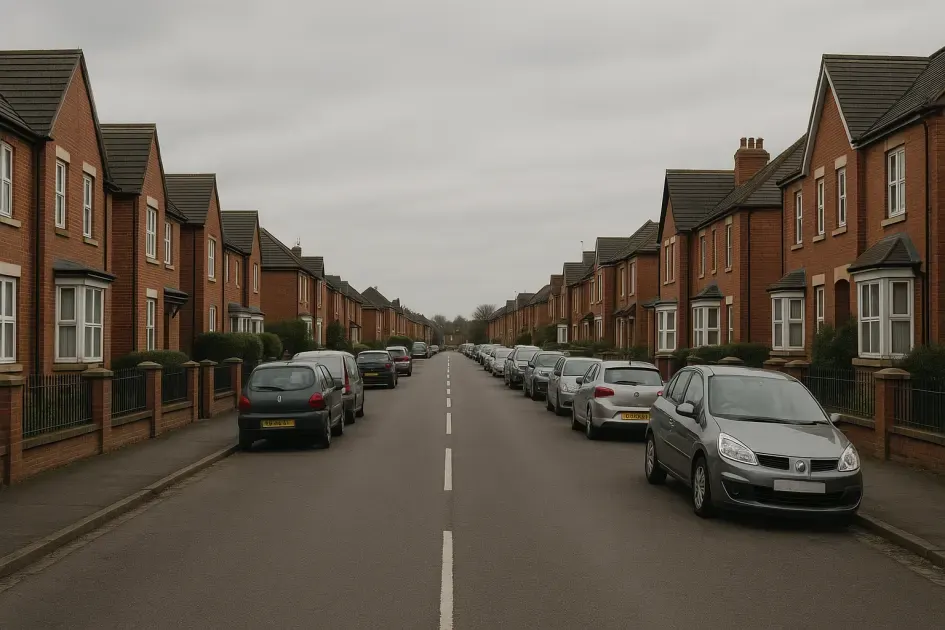
Example 4: 3-bedroom house on a tight residential street
A narrow street with limited kerb space means the van cannot align directly with the gate. The team stages items at the kerb and shuttles to the van, adding repeated short delays that stretch the schedule and price.
Example 5: Split pickup to a high-rise flat during school-run traffic
Two pickup points feed into a high-rise with a bookable loading bay. School-run congestion compresses arrival timing, creates waiting at the bay and lengthens carries from overflow parking. Several small frictions combine to add significant labour time.
How to keep the move efficient
Small operational choices reduce wasted minutes. Address the bottlenecks that slow each carry cycle or create avoidable waiting.
- Permit or restricted parking → Arrange permits or visitor vouchers in advance; reserve a loading bay or agree a safe loading spot with building management.
- Long kerb-to-door carry → Clear the route, stage items near the exit and reserve the closest lawful parking to shorten each shuttle.
- Stairs and tight turns → Pre-measure large items, remove legs or doors and group similar sizes to keep handling continuous.
- Lift bookings → Confirm slot times, protect the lift before the crew arrives and have a key holder present to avoid delays.
- Traffic peaks → Avoid school-run and commuter periods where possible; set start times to secure parking and predictable travel between addresses.
- Accurate inventory → Share volume, item sizes and access notes early so the right van size and crew are assigned the first time.
Local context: parts of Milton Keynes vary from dense flats with managed bays to terraces and cul-de-sacs with permit schemes. Parking layouts, housing density and street access differ by neighbourhood, so plan for the specific loading conditions at each address.
We provide man and van services across the wider area, including man and van services in Olney, man and van services in Stony Stratford, man and van services in Winslow, and man and van services in Wolverton, with bookings managed through one system coordinating bookings with pre-checked drivers.