What matters operationally
Predictable routes shorten the day because less time is lost to diversions and bay re-parking. Traffic timing is the next lever: avoiding commuter peaks and event surges reduces queueing at roundabouts and signalised junctions. Loading access then sets the pace at each property; if bays are timed or distant from the door, carrying and shuttling add handling minutes. Together these factors govern moving duration more than raw driving distance. The timing side of that is explored further in when Milton Keynes moves tend to take longer.
How to plan around restrictions
Check route timing the evening before and again on the morning for incidents, then align arrivals with any building loading windows. Hold a buffer between addresses in case the first unload runs over. Treat city-centre stops as fixed appointments and coordinate with a named building contact for keys, lift access or service-yard entry. The real work is in verifying timed bays, signage and vehicle suitability before the move begins, rather than trying to solve them once the van arrives. Those access constraints feed directly into how moving costs are shaped by access and time. That is visible in areas such as man and van services in Bletchley. Comparable route constraints also appear in man and van services in Wolverton.
Eight route-planning variables in Milton Keynes
Traffic timing patterns
The grid-road network moves well off peak, but commuter and school-run waves slow key junctions and roundabouts. Event days create shorter, sharper surges. Starting outside those windows preserves schedule flexibility between addresses.
Central access constraints
In central areas, pedestrian-priority streets and service roads may limit van entry to designated times or routes. Aligning arrivals to those windows avoids reroutes that force longer carries from more distant bays.
Kerbside loading conditions
Loading-only bays, short dwell limits and pay-and-display rules change how you stage items. If dwell time is tight, pre-stack near exits, assign one person to watch the vehicle and prioritise bulky pieces first.
Building access limitations
Goods-lift bookings, concierge-controlled access and service-yard keys throttle flow from van to unit. Without a confirmed slot and an on-site contact, crews idle while access is arranged, extending the schedule.
Route predictability and delays
Grid roads increase predictability, but incidents at key roundabouts ripple across multiple legs. Holding an alternate route and leaving modest slack between stops prevents one delay from cascading through the day.
Vehicle suitability and access
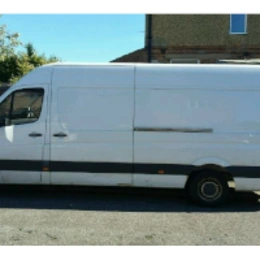
Choose a vehicle that fits turning space, bay length and any height controls. A 3.5-tonne Luton with tail-lift suits most residential streets and many service yards; taller or longer vehicles can be blocked by multi-storey car parks or tighter service alleys.
Parking and permit constraints
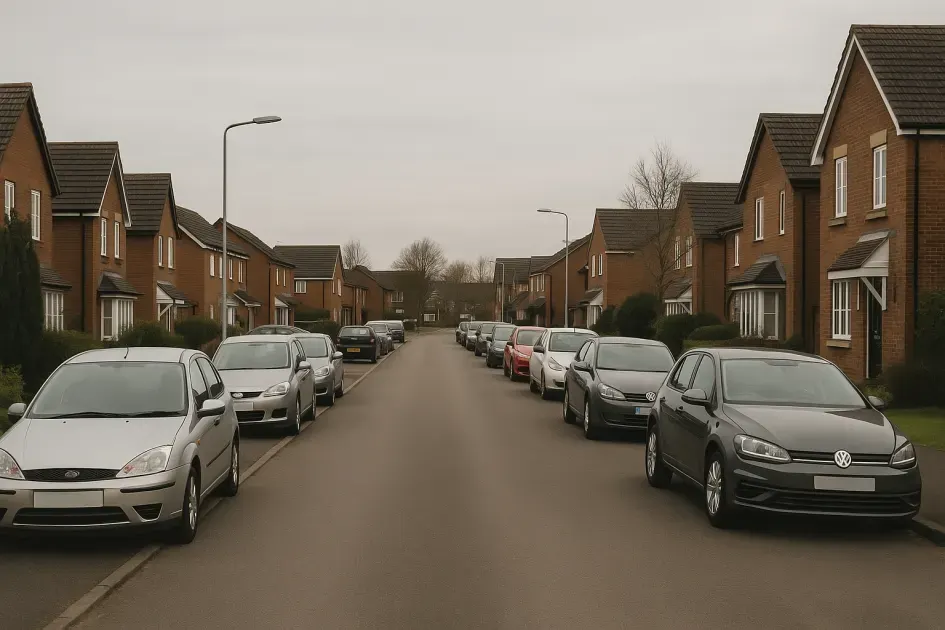
Residential zones near busy centres may require visitor permits or payment, and some estates restrict longer stays. Securing the right permit and a legal bay near the entrance shortens the kerb-to-door carry and reduces re-parking interruptions.
How clean-air or charge-zone rules affect moves in Milton Keynes
No active clean-air or charge zone currently applies in Milton Keynes. Operationally, central access controls, timed loading bays and building-managed service yards still govern where and when you can stop. Confirm those windows, pick routes that keep you off the busiest approaches and ensure the vehicle fits height and weight limits for any service access.
Practical route-planning examples
Example 1: Central Milton Keynes flat with a managed service yard. Arrange a loading slot and goods-lift window, approach via the signed service road off peak and stage items so the short dwell limit is used efficiently.
Example 2: Wolverton terrace with permit parking. Secure a visitor permit or nearby paid bay, then use dollies to offset the longer kerb-to-door carry if the closest frontage is unavailable.
Example 3: Bletchley to Stony Stratford house move. Avoid school-run peaks, favour H and V grid roads over residential rat-runs and sequence the pickup so the van reaches the drop during a quieter mid-morning period.
Example 4: Office move in Central Milton Keynes. Multi-storey height limits require a 3.5-tonne tail-lift van; confirm the goods-lift booking and nominate a contact at reception so the van can pull straight into the service bay without waiting.
Example 5: Multi-stop day including Northampton. Plan the central MK stop first while roads are lighter, then use the grid network to exit efficiently, leaving enough buffer in case loading at the first address overruns.
Practical route-planning checklist
- Timed loading bays → Call site management to confirm the arrival window and display any permit before unloading starts.
- Long kerb-to-door carry → Bring dollies and straps, secure the nearest legal bay and stage boxes closest to the exit.
- Managed building access → Arrange a goods-lift slot and name a contact; synchronise van arrival with that window to avoid idle time.
- Event or school-peak traffic → Shift the start earlier or later and choose grid-road approaches that avoid the busiest pinch points.
- Height, weight or turning limits → Verify dimensions against access and choose a vehicle that fits rather than risking a distant fallback stop.
Apply neighbourhood context
Local street geometry and parking rules vary across Milton Keynes, so check the constraints for each neighbourhood before fixing timings and vehicle choice.
We provide man and van services across the wider area, including man and van services in Winslow, man and van services in Woburn Sands, and man and van services in Addington, with bookings managed through one system coordinating bookings with pre-checked drivers.