Westminster Parking Permits for Moving – Access, Bays and Suspensions

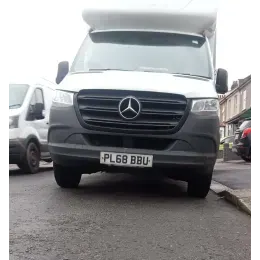
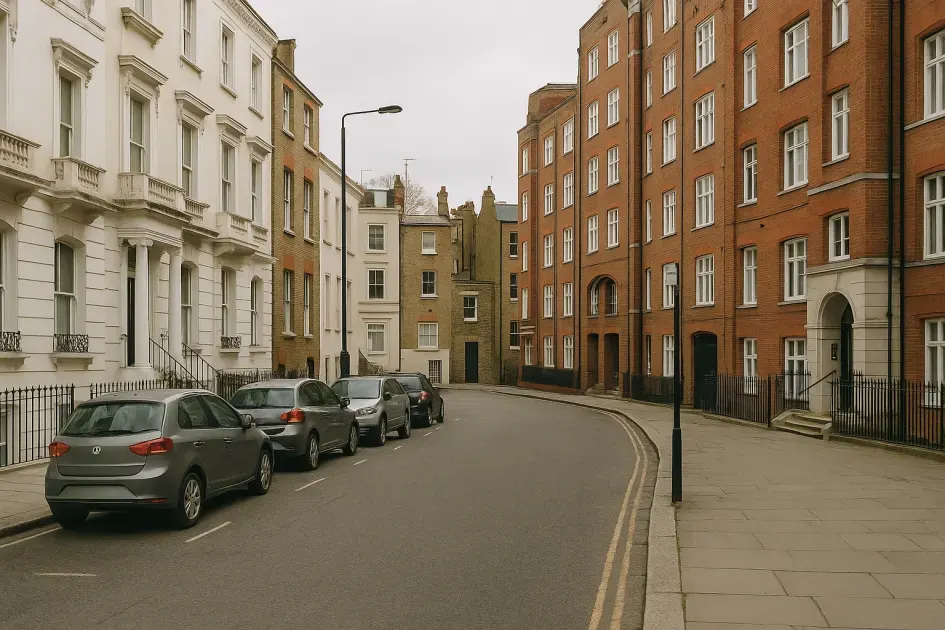
In Westminster, parking and loading access often determines whether a move runs smoothly or overruns. The borough operates extensive Controlled Parking Zones (CPZs), time-limited bays, busy main roads, and narrow residential streets. Securing a realistic, legal stopping point close to the entrance is one of the most effective ways to reduce wasted time on moving day.

If you are arranging a move, you can review borough-level service details on our Westminster man and van services page.


What You Are Solving For

The objective is simple: position the van legally and safely close enough to load efficiently. In Westminster, that becomes complex because the nearest available bay may be:

  • Resident-only during controlled hours
  • Short-stay with strict time limits
  • Restricted by yellow-line loading windows
  • Unsuitable due to narrow carriageway width
  • Occupied by commercial deliveries

An extra 40–60 metres of carry distance, repeated across multiple trips, can extend the booked hours significantly.


Common Westminster Kerbside Situations

Controlled Parking Zones (CPZs)

Most Westminster streets operate within CPZ hours. Bays that appear empty may still be restricted without permit cover or a suspension. Enforcement in central areas such as Marylebone, Pimlico, Victoria, and Paddington is typically active during controlled periods.

Short-Stay or Paid Bays

Pay-by-phone bays can sometimes be used, but short maximum stays create risk. If the van must move mid-job, loading flow breaks and total time increases.

Yellow Lines and Timed Loading Windows

Certain streets allow loading only during defined windows. Scheduling inside restricted hours may force the van to park further away than planned.

Main Roads and Side-Street Loading

Addresses on busier corridors often require loading from a side street. That additional walking distance should be factored into time expectations.

Mews Streets and Narrow Access

In mews locations, tight turning space or limited carriageway width may require staged loading. Careful positioning prevents repeated repositioning during the job.


When a Bay Suspension Is Worth It

For larger or time-sensitive moves, a temporary bay suspension provides predictability. It does not change the hourly rate, but it reduces uncertainty and long carry cycles.

Parking friction usually appears as extended time rather than a separate charge. For how time translates into totals, see our moving costs in Westminster guide.

For the most common delay triggers that extend booked hours, see our hidden moving costs in Westminster page.


How Parking Interacts With Building Access

Kerbside access combines with lift bookings, concierge rules, corridor carry distance, and basement stairs. If lift access is restricted to a fixed window while loading occurs from a distant bay, delays compound.

Coordinating both the street layer and the building layer prevents stop-start cycles that extend the move.


Practical Moving Day Checklist

  • Check bay type and controlled hours in advance
  • Confirm any required suspension or permit approval
  • Identify a legal fallback stopping point nearby
  • Align lift bookings with your loading window
  • Stage packed items near the exit before arrival
  • Share realistic loading details in your booking notes
Check Westminster Availability

Westminster Parking Permits FAQs

Quick answers about Westminster parking controls, loading access, and the street-level planning steps that reduce delays on moving day.

Not always. Whether you need a permit or suspension depends on where the van will stop and what the kerbside rules are during your moving window. Much of Westminster operates under Controlled Parking Zone (CPZ) hours, which can restrict resident bays, pay-by-phone bays, and short-stay spaces during controlled periods.

The practical goal is to secure a legal loading position close enough to the entrance to keep carry distance realistic. If your best option is time-limited or likely to be occupied, plan a fallback stopping point and include the loading plan in your booking notes.

A bay suspension temporarily reserves a specific parking bay for a set time window so a van can load predictably. It is most useful when you have a larger load, tight building access windows, or limited legal stopping options on your street.

In Westminster, suspensions are often about preventing time overruns: they reduce the risk of loading one street away, repositioning mid-job, or losing a workable kerbside position to deliveries.

Yes — mainly because parking friction adds time. If the van cannot load close to the entrance, repeated longer carries extend loading and unloading. If the van must relocate mid-move, you lose momentum and add extra handling cycles.

Because pricing is tied to booked hours, small kerbside delays can translate into higher totals. For cost examples and typical ranges, see our moving costs in Westminster guide.

Main roads in Westminster often have stricter stopping and loading controls, and some locations require loading from a side street rather than directly outside the entrance. In that case, plan for the carry distance and identify the most realistic legal stopping point for your time window.

Route and compliance topics can sit alongside access planning, but the key operational issue is usually kerbside restriction rather than emissions. For the London-wide compliance layer, see the London ULEZ guide.

Yes. In Westminster, building rules can be as important as street rules. If a concierge controls access, if a lift needs booking, or if moves are restricted to set weekday windows, those details can create waiting time if they are not planned.

Include lift booking times, service lift rules (if applicable), concierge sign-in instructions, floor level, and corridor carry distance in your booking notes so the job can be timed realistically.

See our Westminster property challenges guide for common layouts and friction points, including mansion blocks with long corridors, basement flats with repeated stair carries, and mews properties with tighter loading and manoeuvring space.