Moving Guide for Westminster – Planning, Access and Move Day Steps

Moving in Westminster is rarely difficult because of distance — it is difficult because of access friction. Kerbside positioning, lift bookings, corridor carry distance, basement stairs, concierge procedures, and central route variability all influence how long a move takes. This guide breaks the process into practical street-level steps so you can reduce delays before they happen.

If you are planning a local booking, you can review options on our Westminster man and van services page.

For London-wide service structure and borough comparisons, see London borough comparison guide.


Step 1: Confirm Your Access Facts (Before You Book)

In Westminster, accurate time planning depends on knowing the access reality rather than the postcode. Two flats on the same street can require very different handling time.

  • Floor level and whether there is a working lift
  • Whether the lift requires advance booking or padding protection
  • Concierge or building management rules (weekday-only windows, sign-in procedures)
  • Distance from the nearest legal loading position to your entrance
  • Basement access, raised ground floors, or split-level layouts
  • Internal corridor length from entrance to flat door

Mansion blocks and portered developments frequently add internal carry time. For layout-specific considerations, see our Westminster property challenges guide.


Step 2: Plan the Kerbside Layer

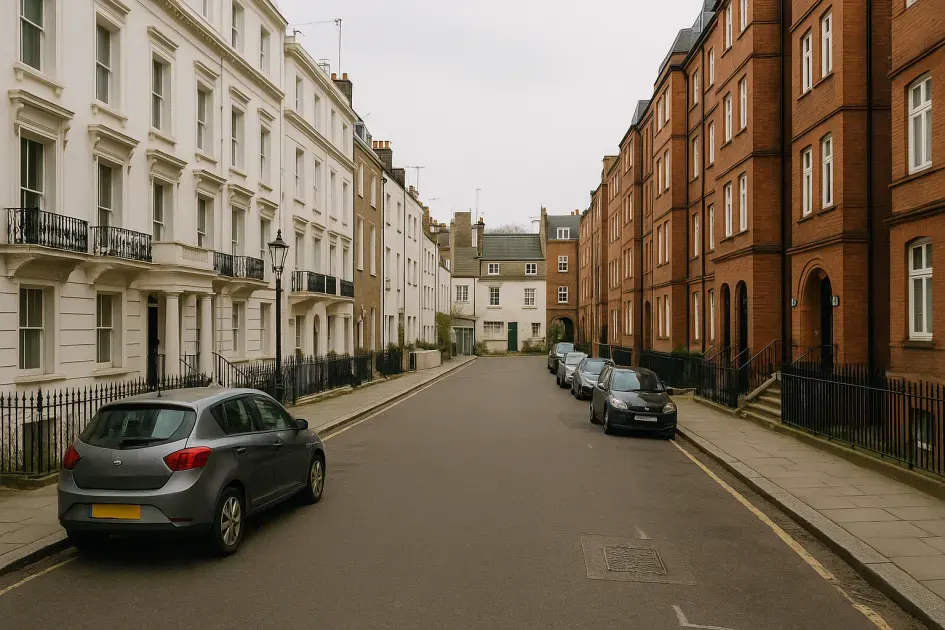
Westminster operates layered Controlled Parking Zones with time-specific restrictions. On busier roads, legal loading stretches may be short and quickly occupied. In narrow mews streets, turning space may limit where a van can safely position.

The difference between loading directly outside and loading 40–60 metres away becomes significant when repeated across multiple carry trips.

  • Identify the closest legal stopping position
  • Confirm if a suspension or permit is required
  • Note narrow sections or turning restrictions
  • Plan a fallback position in case the primary space is unavailable

For practical planning steps, see our Westminster parking permits and access guide.


Step 3: What Happens in the First 15 Minutes

The opening phase of a Westminster move often determines whether the rest of the day runs smoothly.

  • Confirm safe van positioning and unloading route
  • One person checks in with concierge or building management (if required)
  • Lift padding or protection is installed if necessary
  • Doors are identified and safely held where permitted
  • Boxes nearest the exit are loaded first to establish flow

Avoiding early confusion prevents stop-start cycles that extend total time.


Step 4: Pack for Flow Efficiency

  • Label boxes clearly by room
  • Stage packed items near the exit before arrival
  • Keep disassembly tools accessible
  • Pre-disassemble bulky furniture where possible
  • Protect fragile items so loading can proceed confidently

Efficient staging reduces repeated small trips and speeds corridor-heavy buildings.


Step 5: Share the Details That Predict Time

In Westminster, useful booking notes include:

  • Exact floor level and lift booking time
  • Distance from loading point to entrance
  • Internal corridor length
  • Concierge procedures
  • Street restrictions or access challenges

Accurate access information helps ensure booked hours reflect realistic conditions.


Cost Awareness

Because Westminster moves are time-driven rather than distance-driven, small access details can influence totals. For pricing ranges and how hours translate into cost, see our moving costs in Westminster guide.

Check Availability in Westminster

Westminster Moving Guide FAQs

Quick answers about planning a Westminster move, including access rules, kerbside prep, building coordination, and how to reduce time friction.

Start with the access layer, not the distance. In Westminster, smooth moves depend on floor level, whether lift access is available (and booked), concierge or weekday-only moving windows, corridor carry distance, and where the van can legally stop.

Two properties on the same street can require very different handling time. Confirm the building mechanics first, then build your timing around them.

Yes, especially in Westminster where Controlled Parking Zones operate with time-specific restrictions. If the van cannot load close to the entrance, repeated longer carries quickly extend the booked hours.

Identify the nearest legal stopping point, check whether a suspension is required, and note any narrow mews or turning constraints. See our Westminster parking permits guide for practical steps.

Include the details that predict time rather than just square footage: floor level, lift availability and booking slot, concierge sign-in process, restricted moving windows, corridor length from entrance to flat, basement or split-level access, and any door or stair pinch points.

If the property sits on a mews or narrow street, mention the realistic loading position and any approach restrictions.

Confirm lift bookings in writing, align your arrival time with building access windows, secure a realistic loading plan, and stage packed boxes near the exit before arrival.

In corridor-heavy mansion blocks, efficient staging reduces repeated small trips. For common delay triggers and how they extend total time, see our hidden costs in Westminster guide.

See our moving costs in Westminster guide for hourly ranges and example totals.

Because Westminster moves are time-driven rather than distance-driven, access details often influence the final total more than postcode-to-postcode mileage.

Westminster combines dense mansion blocks, portered developments, basement conversions, and central route variability. Access rules, lift coordination, and kerbside constraints tend to play a larger role here than in more suburban boroughs.

For a wider city-level comparison, see the London borough comparison guide.