In Westminster, “hidden costs” are usually hidden time. Your booking is priced around the hours you plan to use (with movers and van size selected), but real-world delays can extend the job beyond that window. The good news is that most overruns in Westminster come from a small set of predictable friction points: kerbside access, building controls, and repeated carry distance.
If you’re planning a local booking, you can check options on our Westminster man and van page.
For service availability and booking details, see man and van services in Westminster.
For London-wide moving service info, see man and van services in London.
If your move runs longer than planned, additional time is typically charged at the booked rate. In Westminster, overruns tend to happen for three reasons: loading access changes on the day, building rules introduce waiting time, and carry routes are longer than expected. For baseline price context, see our moving costs in Westminster guide.
The simple way to think about hidden costs is this: Westminster does not usually add “extra charges” — it adds extra minutes. When those minutes repeat across dozens of carry trips, they become billable hours.
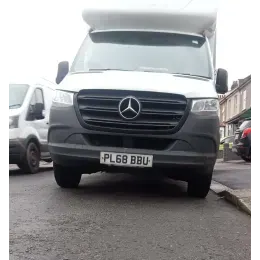
The fastest move is the one where the van can stop close to the door without repositioning. In Westminster, that assumption fails more often than people expect. A street that looks “fine” on a quiet evening may be busy with deliveries in the morning, or restricted during certain hours.
The hidden cost appears when the van ends up one street away or halfway down the block. That turns a short carry into repeated long carries: boxes, bags, and small furniture become multiple walking cycles, each one adding time.
Micro-street realities that cause this include: limited legal stopping space, short loading stretches already occupied, narrow carriageways that prevent safe pause, and streets where the only workable position is taken at the moment you arrive. Planning a legal loading point and a fallback option is the simplest cost control you have. See our Westminster parking permits and access guide.
Westminster has a high concentration of mansion blocks and managed developments where access is controlled. This doesn’t always feel strict until moving day. The hidden cost driver is not the rule itself — it is the waiting cycle created by that rule.
Common examples: lift bookings that run in fixed slots, service lifts that require authorisation, concierge sign-in procedures, protective padding that must be fitted before loading begins, or rules that restrict moves to specific weekday hours. If the team arrives early, they may not be allowed to start. If they arrive late, the lift slot can be missed and the next one may be unavailable.
The most expensive version of this is a short move that turns into a long move because you spend 30–60 minutes waiting to begin the first carry. Sharing building rules, lift confirmations, and entry instructions in booking notes reduces this risk substantially.
Westminster contains many conversions and older properties where “one flight” is not really one flight: steps from street to raised ground floor, internal stairs to half-landings, or narrow stair turns that force slower handling. Basement flats are a common pattern and often add time even when inventories are small.
Micro-detail matters: narrow stair width, tight corners, handrail pinch points, or a doorway that forces items to tilt and rotate. These slow down every bulky carry and increase the likelihood of careful manoeuvring, which adds minutes repeatedly.
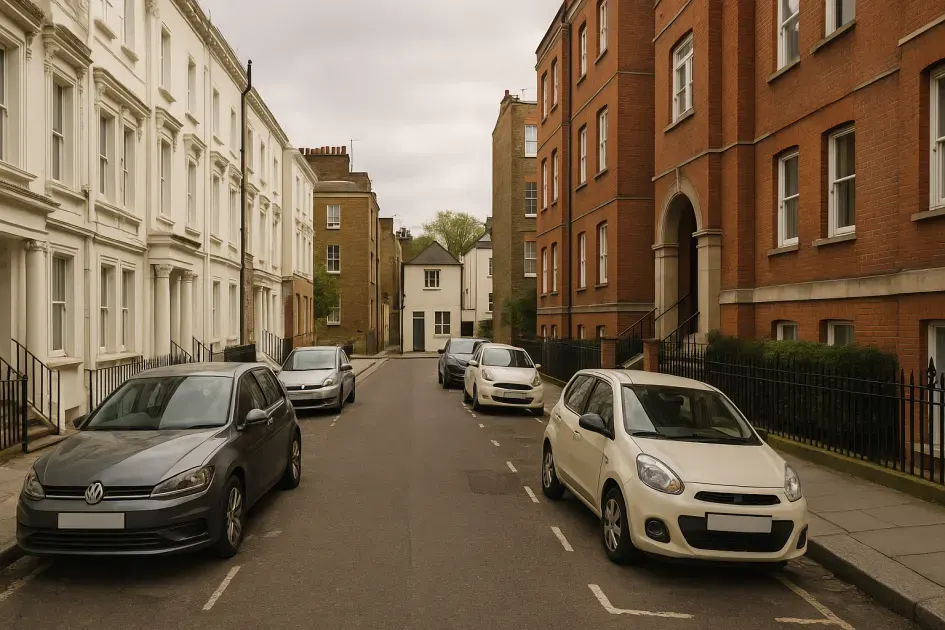
Some Westminster mews streets and side roads are physically constrained: narrow carriageways, parked cars creating a single-lane pinch, and limited turning space. Even when stopping is allowed, safe positioning can be awkward.
When a van cannot sit directly outside, the move becomes “staged” — items are carried to a workable point, loaded in batches, and sometimes the van must reposition during the job. Each reposition adds interruption time, and staged carries increase walking distance.
A practical way to reduce this is to identify the most realistic loading point in advance and plan your staging area (inside the property) so items are ready to move in efficient batches.
Westminster overruns are often blamed on traffic, but the quieter culprit is inside carry time. Mansion blocks, apartment corridors, and managed developments can add significant minutes even when the van is close to the entrance.
Long corridors, multiple security doors, intercom delays, and lift-to-flat distances mean each “trip” takes longer than expected. If the route includes doors that need to be held open, or a lift that requires repeated calls, every cycle slows down.
The fix is mostly operational: confirm entry method, identify the shortest internal route, prop doors where allowed, and stage boxes near the exit so the team is carrying full loads rather than making extra small trips.
In Westminster, a “short” journey on the map can become a longer journey in practice depending on timing. One-way systems, signal-heavy junctions, and busy central corridors can add unpredictable minutes between addresses.
Even small travel delays can extend the booked hours, especially when combined with loading friction at either end. Treat route time as a buffer risk rather than a fixed number.
For common building layouts and access friction points in Westminster, see our Westminster property challenges guide.
For a wider London pricing baseline (useful if you are moving between boroughs), see the London moving costs guide.
Check Availability in WestminsterCommon questions about unexpected moving costs in Westminster, and the practical access steps that reduce overrun risk.
In Westminster, most “hidden costs” are really hidden minutes that extend the booked time. The most common triggers are kerbside loading delays (the van can’t stop where you assumed), building controls (lift slots, concierge sign-in, service entrance rules), and longer-than-expected carry routes inside mansion blocks or large developments.
Other frequent contributors include basement stairs, split-level layouts, narrow door turns, and short central routes that become slow because of one-way systems or signal-heavy junctions. If you plan the access layer properly, most overruns become predictable rather than surprising.
Yes. If the van can’t load close to the entrance, the job shifts from short carries to repeated long carries — and that adds time quickly. Even an extra 30–60 metres matters when it’s repeated across dozens of trips.
Westminster street rules vary by road and time window, so it helps to identify a legal loading position and a realistic fallback option nearby. For planning tips, see our Westminster parking permits and access guide.
They can be one of the biggest hidden time drivers on Westminster moves. In managed blocks and mansion buildings, lift use may be limited to set slots, require booking in advance, or be shared with residents and service teams.
If a slot is missed, you can end up waiting to begin loading, or forced into slower stair carries for bulky items. Confirm lift reservations, service lift rules, and any move-only windows early, and include the details (concierge process, entry method, lift slot time) in your booking notes.
Start with your inventory (how much needs carrying), then add time for the access realities that extend each trip: floor level, stairs vs lift, corridor distance from entrance to flat, number of internal doors, and whether loading will be directly outside or down the street.
A simple rule is that Westminster “inside time” is often the swing factor — long corridors and controlled access can add more time than the driving does. Our moving costs in Westminster guide includes typical ranges to help you plan.
Sometimes, yes. Mews streets can be narrow with tight turning space, limited safe stopping points, and pinch areas created by parked cars. Even when stopping is allowed, the van may need careful positioning or staged loading in batches.
If you’re on a mews street, add clear access notes in your booking (width constraints, best approach direction, any restricted turns, and where loading is realistically possible). That helps reduce repositioning and wasted minutes on arrival.
See our Westminster property challenges guide for practical detail on mansion blocks, basement access, split-level layouts, long corridors, and the small building frictions that most often extend moving time.