
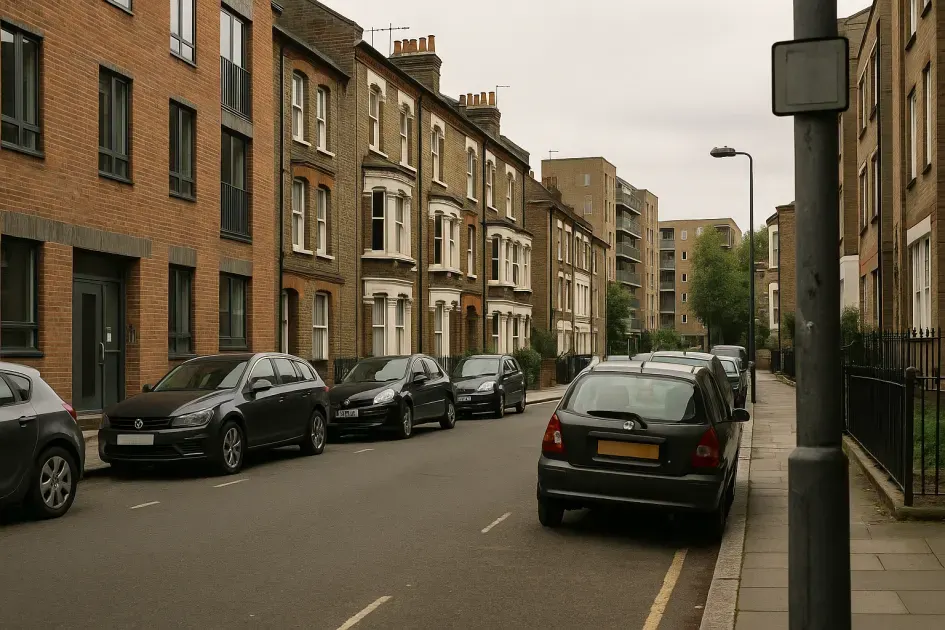
Do I need parking permission for a move in Shoreditch?
It depends on the exact loading position, the activity and the signs. Identify who controls the road or land, then distinguish active loading from waiting and reserving a bay. A resident permit, a private loading slot and a council suspension are not interchangeable.
Local arrangements to check
Hackney asks for seven working days for a suspension, counted from the next working day. Applications for different roads must be separate. This guidance applies to Hackney-controlled bays; confirm the authority for boundary roads and private land. Read Hackney parking bay suspensions for the current instructions.
Apply this to your address
Do not choose a council from the Shoreditch area name alone. Establish whether the actual road is managed by Hackney, Tower Hamlets, TfL or a private owner, then coordinate its permission with the building’s loading arrangements. See Tower Hamlets suspensions and dispensations, TfL loading on red routes.
Check the proposed stop before moving day
- Photograph the signs and identify the precise bay, road or private loading area.
- Confirm the vehicle, date, duration and activity with the responsible council or land manager.
- Keep the decision and conditions; agree a lawful alternative if the planned space cannot be used.
Do not assume submitting an application or booking a mover reserves a space. Follow the permission’s actual conditions and check changes with its issuer.
Read the access details to prepare, or return to Shoreditch man and van to check your move price.
Related local guidance
London ULEZ guide · Shoreditch Moving costs · London moving trends report · London man and van area guide