
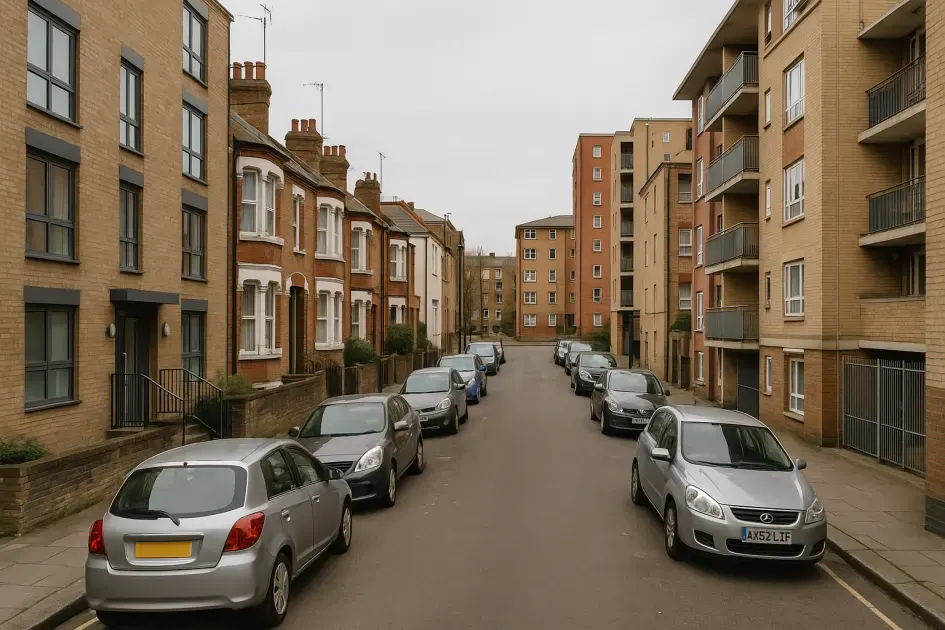
How should I prepare a man and van move in Shoreditch?
Confirm what is moving, who will load it, and how the team can reach the items at both ends. For a collection, agree the handover with the seller. Have the access details ready before selecting the vehicle, help and date.
Local arrangements to check
Allow Hackney’s seven working days for a suspension request and use separate applications for separate roads. Check confirmation before relying on the arrangement. This guidance applies to Hackney-controlled bays; confirm the authority for boundary roads and private land. Read Hackney parking bay suspensions for the current instructions.
Apply this to your address
Do not choose a council from the Shoreditch area name alone. Establish whether the actual road is managed by Hackney, Tower Hamlets, TfL or a private owner, then coordinate its permission with the building’s loading arrangements. See Tower Hamlets suspensions and dispensations, TfL loading on red routes.
Work through the move in this order
- Before booking: list the load, measure difficult items and describe both access routes.
- Once the date is known: arrange necessary street permissions and building slots, checking their actual lead times.
- Before arrival: finish packing, label rooms, keep essential items separate and confirm keys and contacts.
- On the day: check the loading position and tell the team about changes before work starts.
There is no universal booking lead time that guarantees availability. Use the council’s actual notice rules and your building’s arrangements, then check availability for your move details and date.
Read the access information to prepare, or return to Shoreditch man and van to check your move price.
Related local guidance
London availability · London man and van area guide · London moving trends report · London Moving Costs · Shoreditch Moving Costs · London ULEZ guide