Hackney Parking Permits for Moving: CPZ Rules, Suspensions and Loading Access

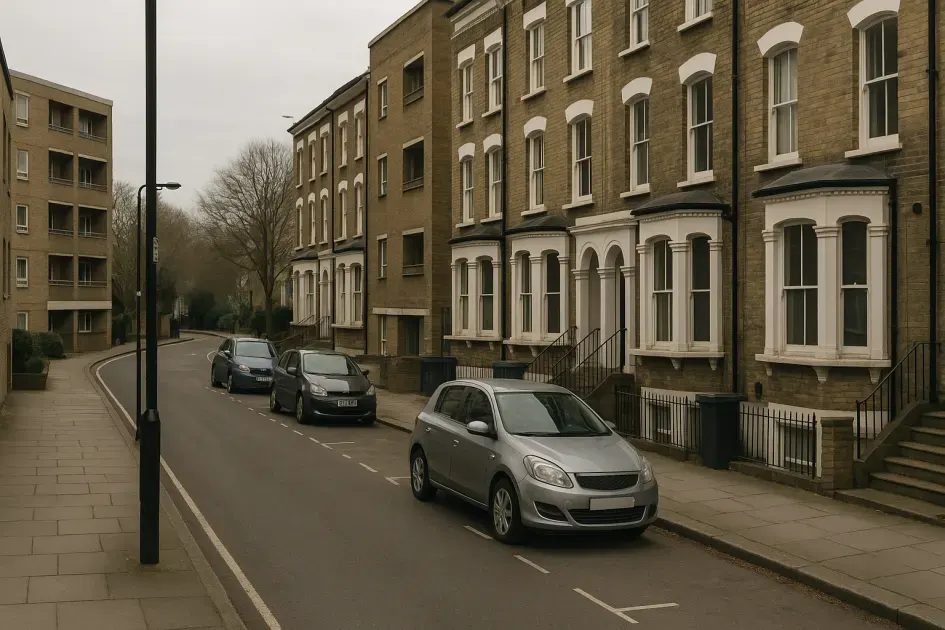
Parking is one of the most important variables in a smooth Hackney move. The borough is extensively covered by Controlled Parking Zones (CPZs), and kerbside space can be limited — especially in terrace-heavy areas near London Fields, Dalston and Victoria Park. If the van cannot load close to the entrance, the move usually costs more in time.

In Hackney, most properties rely entirely on kerbside positioning. Unlike outer boroughs with driveways or wider suburban roads, access efficiency here has a direct impact on loading cycles and total duration.

For the London-wide overview, see man and van in London.


Hackney CPZ basics

A Controlled Parking Zone regulates parking across all streets within a defined area. The key detail for moving day is that CPZ hours vary by zone and sometimes by street. Always check signage directly outside the property before loading begins.

Official guidance:

Why CPZ rules affect total cost

CPZ restrictions rarely create separate charges. They influence cost indirectly by increasing handling time. If the van must park further away or reposition repeatedly, each additional carry cycle consumes part of the booked hours. For pricing context, see moving costs in Hackney.


Visitor permits in Hackney

Visitor permits allow short-term legal parking within a permit bay during controlled hours. They can help if a suitable bay is available near the property.

However, visitor permits do not reserve a specific space. On high-demand streets in Dalston or Stoke Newington, availability can be unpredictable.

Official details: Visitor parking permits.

When visitor permits are useful

  • Short moves with moderate inventory.
  • Lower-pressure residential streets.
  • Backup option when suspension lead time has passed.

When they may not be enough

  • Large or multi-room moves.
  • Time-sensitive handovers.
  • Streets with consistently high parking pressure.

Parking bay suspensions

A parking bay suspension temporarily reserves a designated space for a set time window. For many Hackney moves, this is the most reliable way to secure uninterrupted loading access.

Official guidance: Hackney parking bay suspensions.

When a suspension is worth considering

  • High-density terrace streets.
  • Long internal corridors or multiple stair flights.
  • Bulky furniture and appliances.
  • Strict key handover deadlines.

Shorter carry distances reduce total handling time, which helps keep the move within the planned booking window.


Loading rules, main roads and compliance

Main roads may include timed loading bays, red-route style restrictions or junction proximity limits. Streets near busy junctions or market areas can require careful timing.

Where stopping rules are strict, repeated repositioning increases delay risk. In Hackney’s tighter grid, these small delays can multiply across loading cycles.

Hackney sits fully within London’s ULEZ. For capital-wide compliance context, see: London ULEZ guide.

If the primary constraint is internal layout rather than parking, see: property challenges in Hackney.


Moving-day parking checklist for Hackney

  • 48–72 hours before: confirm CPZ hours and identify the best legal stopping position.
  • If suspending a bay: verify the exact bay number and time window.
  • On the day: check signage, including temporary notices or works.
  • Have a fallback: identify a nearby legal alternative in case access is blocked.
  • Communal buildings: confirm lift reservations and loading entrances.

Parking is a duration multiplier. Clear kerb access shortens loading cycles and improves predictability.


Book a man and van in Hackney

Clear move details — including parking plans, timing and access notes — reduce avoidable delays. Start here: man and van in Hackney.


Hackney Parking Permits FAQs

Clear answers to common questions about CPZ rules, visitor permits, bay suspensions and how parking access affects duration when moving in Hackney.

Not always, but in many Hackney streets it depends on CPZ hours and the exact bay type outside the property. Large parts of the borough operate within Controlled Parking Zones, where permit bays or paid bays are enforced during specific hours.

If the van needs to use a permit bay during controlled hours, you will need an appropriate access plan — whether that is a visitor permit, a suspension or an alternative legal stopping point.

A visitor permit allows parking in eligible permit bays during controlled hours, but it does not reserve a specific space. Availability can be unpredictable on high-pressure streets near London Fields, Dalston or Victoria Park.

A parking bay suspension temporarily reserves a named bay for a defined time window. For larger moves or time-sensitive handovers, suspensions provide far greater certainty of access.

You can use Hackney Council’s online CPZ maps and zone information to identify your area and review its active hours. However, enforcement is based on the signage displayed on the street itself.

On moving day, always check the nearest signs and any temporary notices, as works or short-term changes can affect normal restrictions.

As early as possible once your moving date is confirmed, particularly in dense residential areas. Availability can be limited and processing times vary.

Even with a suspension approved, the driver should verify the signage and the exact suspended bay location on arrival to ensure it matches the booking confirmation.

Parking restrictions rarely create a separate fee. They increase cost indirectly by increasing time. If the van cannot park close to the entrance, longer carry distances and repeated loading trips extend the total duration.

Because most local moves are priced by the hour, extended duration increases the final total. For pricing context, see our moving costs in Hackney guide.

Often, yes. Hackney’s higher residential density and reliance on kerbside parking mean access efficiency has a greater impact than in outer boroughs with driveways or wider suburban roads.

In tighter terrace streets, small positioning delays can multiply across repeated loading cycles, making advance parking planning especially important.