Hackney Moving Guide: Planning a Smooth Local Move

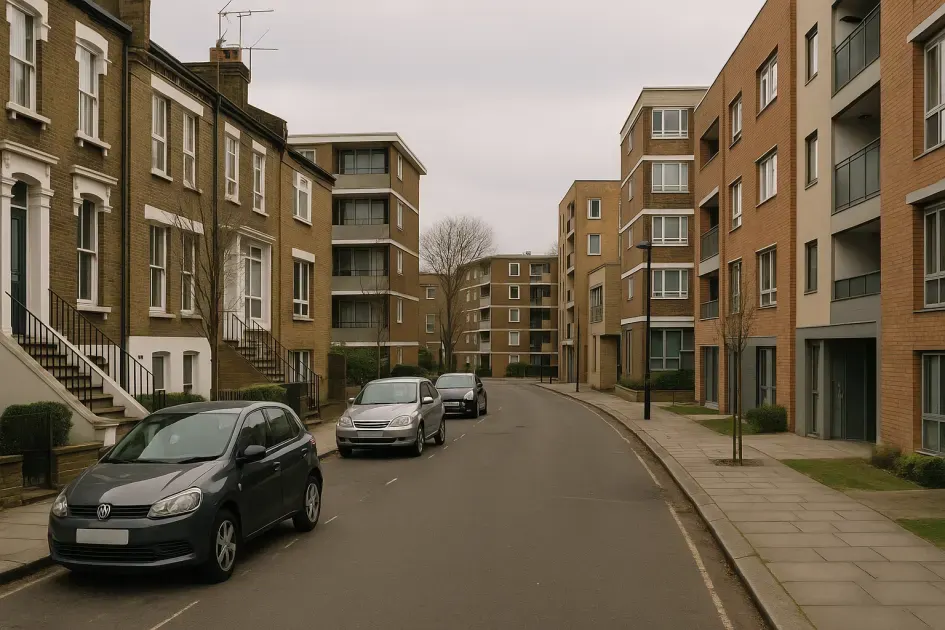
Moving within Hackney involves more than transporting boxes. Dense Victorian terraces, Controlled Parking Zones, shared building access and high rental turnover all influence how smoothly the day unfolds.

Whether relocating from a canal-side apartment in Haggerston, a terrace conversion near London Fields, or a house in Clapton, access efficiency — not just distance — determines how predictable your move will be.

For the London-wide overview, see man and van in London.


1. Plan early and confirm key details

Hackney’s density makes preparation more important than in many outer boroughs. Once your moving date is confirmed, clarify:

  • Exact entrance location and kerb position
  • Floor level and lift availability
  • Building management rules or booking windows
  • Any time restrictions on move-in or move-out

In terrace-heavy streets or shared-entry apartment blocks, small unknowns can become time multipliers. Early clarity reduces the risk of extended loading cycles.


2. Understand Hackney parking and kerb access

Most Hackney streets operate within Controlled Parking Zones (CPZs). During active hours, suitable stopping space may be limited — especially around Dalston, Stoke Newington and Victoria Park.

If a van cannot position close to the entrance, carry distance increases. Repeated trips between kerb and property add minutes each time, which compounds across the entire move.

Review Hackney parking permits and suspensions to understand your options.

Compared with outer London areas that include driveways, Hackney properties rely heavily on kerbside positioning. Access efficiency therefore has a greater influence on total duration.


3. Prepare for property-specific challenges

Hackney’s housing stock includes period conversions, ex-local authority blocks, modern canal-side apartments and split-level flats.

Raised entrances, narrow staircases, compact hallways and shared corridors are common. Even when external parking is straightforward, internal layout can extend handling time.

See property challenges in Hackney for more detail.

Measuring larger items and planning disassembly in advance reduces the risk of last-minute adjustments.


4. Choose your moving time carefully

Timing affects both traffic and kerb availability. Midweek mornings are often steadier, while end-of-month weekends typically experience higher demand.

Hackney’s high rental churn means that compressed demand periods can increase access competition. Choosing calmer windows reduces the likelihood of compounded delays.

For a deeper breakdown, see best time to move in Hackney.


5. On the day of your move

  • Check parking signage before loading begins
  • Confirm lift reservations and access codes
  • Protect floors and high-traffic areas where required
  • Keep essentials separate and clearly labelled
  • Allow buffer time before key handovers

Small organisational steps reduce friction and help maintain steady loading cycles.


How costs are influenced in Hackney

In most local moves, total cost is primarily determined by duration. Parking access, internal layout and traffic conditions all affect how efficiently the booked hours are used.

In lower-density boroughs, minor delays may add minutes. In Hackney’s tighter grid, the same delay can multiply across repeated loading trips, extending overall duration.

For pricing context, review typical moving costs in Hackney and hidden moving costs.


Book a man and van in Hackney

Clear planning around parking, access and timing improves predictability. Begin your booking here: man and van in Hackney.


Hackney Moving Guide FAQs

Common questions about planning and preparing for a move in Hackney, including parking, property access, timing and how preparation affects overall duration.

As soon as your moving date is confirmed. Hackney’s density and Controlled Parking Zones mean that kerb access and building arrangements often require advance coordination.

Early planning allows time to confirm parking options, lift bookings and access details so the move can proceed without avoidable delays.

In many cases, yes. Large parts of Hackney operate within CPZs, and suitable stopping space may be limited during active hours.

If uninterrupted access is important, reviewing permit or suspension options in advance can reduce the risk of repositioning delays on moving day.

Provide floor level, lift availability, approximate carry distance from kerb to entrance, parking constraints and any building time restrictions.

Clear information allows the booking time to better reflect Hackney’s typical access conditions, improving overall predictability.

Yes. Victorian conversions, raised entrances, split-level flats and shared corridors are common across Hackney and can increase handling time.

Even when parking is straightforward, narrow staircases or longer internal routes extend the loading cycle, which influences total duration.

Hackney’s higher residential density means that timing can have a greater impact than in lower-density outer boroughs.

During peak rental periods or busy weekend windows, kerb access competition increases, making steady midweek slots generally more predictable.

Confirm parking arrangements, reserve lifts where required, clear internal routes in advance and keep essential items accessible.

Allowing buffer time before key handovers and preparing access points reduces friction and helps keep the move within the planned timeframe.