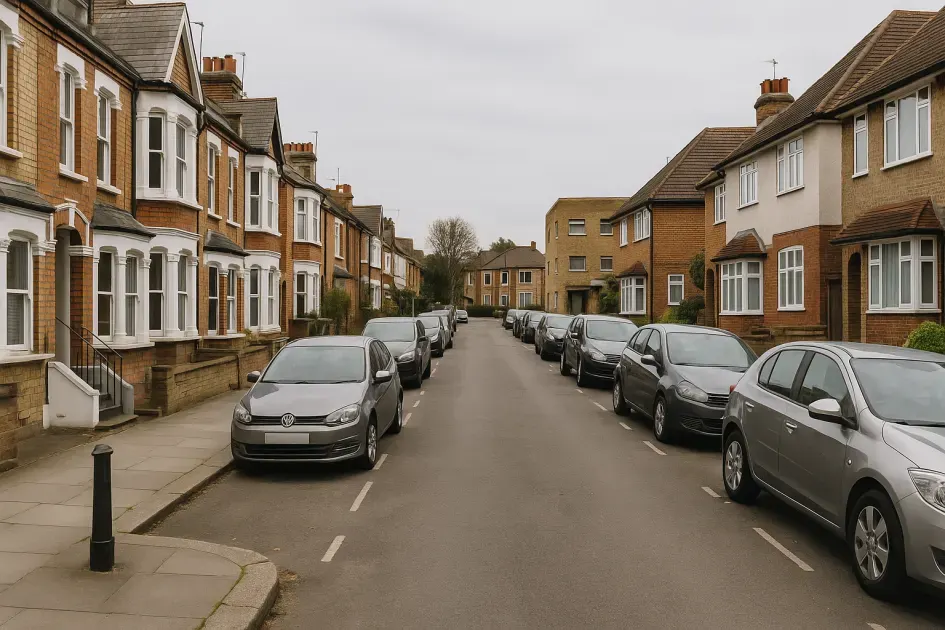
Stoneygate Property Challenges – Access, Layout and Building-Type Friction

Stoneygate property challenges come from how the building actually works on moving day. Layout affects how easily furniture leaves the property, whether the team can move in parallel, and how quickly the route from room to van starts to repeat.

Stoneygate includes large period houses split into flats, detached homes on leafy roads, and apartment buildings with managed entrances and shared courts. In practice, that means longer internal walks, communal doors and upper-floor layouts can change how quickly furniture reaches the van, and those details often shape the pace of the job more than the journey itself.

When you want the main booking page, start with man and van in Stoneygate.

For the broader parent-area view, see Leicester borough comparison guide.

For the next planning step, it also helps to read parking permits for moving in Stoneygate and moving costs in Stoneygate.

Quick summary

  • Property layout affects pace long before the van leaves the street.
  • Upper floors, tight turns and shared access points can all change how the move runs.
  • Access detail is most useful when it is flagged before moving day, not during it.

Why property access behaves differently in Stoneygate

Property-related difficulty is rarely about one dramatic obstacle. It is more often the combination of awkward turns, shared access and the nearest legal stopping point is not always directly outside, so even a short move can involve more carrying than the map suggests, which together make the route less efficient than it first appears.

Upper-floor moves can change the pace of the job more than people expect. If you are planning a move, flagging awkward access early is the simplest way to avoid wasted time on the day. Find My Man and Van handles bookings through one coordinated platform with vetted local drivers, so that detail matters before arrival.

Local examples and planning scenarios

A large item can be easy to carry through one part of the property and awkward in the last few metres, especially where stair turns, communal doors or narrower exit points slow the final section of the route. That is ordinary access work, not a rare exception.

For the other planning points that usually sit beside access problems, compare parking permits for moving in Stoneygate and moving costs in Stoneygate. Then return to local man and van in Stoneygate when you are ready to book.

Practical advice before booking

  • Measure awkward turns and note any furniture that may need extra manoeuvring room.
  • Mention cellar stairs, split levels, loft rooms or tight communal corridors early.
  • Check whether doors, gates or building rules could slow repeated access.
  • Treat the route from room to van as part of the move, not an afterthought.

For the other planning points that usually sit beside access problems, compare parking permits for moving in Stoneygate and moving costs in Stoneygate. Then return to local man and van in Stoneygate when you are ready to book.


Stoneygate Property Challenges FAQs

Common questions about building access and property layout in Stoneygate.

Very often. A converted building may look straightforward outside while hiding tighter stairs, less predictable lift access or longer internal routes once the job starts.

In Stoneygate, the hardest properties are usually the ones where the route is indirect rather than simply large. Property types such as large late-Victorian and Edwardian villas split into multi-occupancy flats and interwar semis and detached houses on leafy residential roads can all create friction in different ways depending on how the access path behaves.

Yes. Stairs and split routes affect every repeated trip, so they change the pace of the whole move rather than creating just one awkward moment.

Measure doorway widths, stair turns, lift dimensions where relevant, and the real path from the furthest loaded room to the van position.

Because they can introduce waiting points, access control and route narrowing. They are manageable, but they need to be planned for honestly.

Yes. Lofts, garages and secondary storage areas spread the inventory across more space, which lengthens the loading phase even when the property looks manageable from the front door.