
Cathays Property Challenges – Access, Layout and Building-Type Friction

Property access challenges in Cathays usually come down to how straightforward it is to move items from the room they start in to the van. The building type, the entrance layout and the nearest realistic stopping point often decide whether a move feels efficient or slow.

For the main local service page, start with man and van in Cathays. For the broader Cardiff planning layer, use Cardiff borough comparison guide as well.

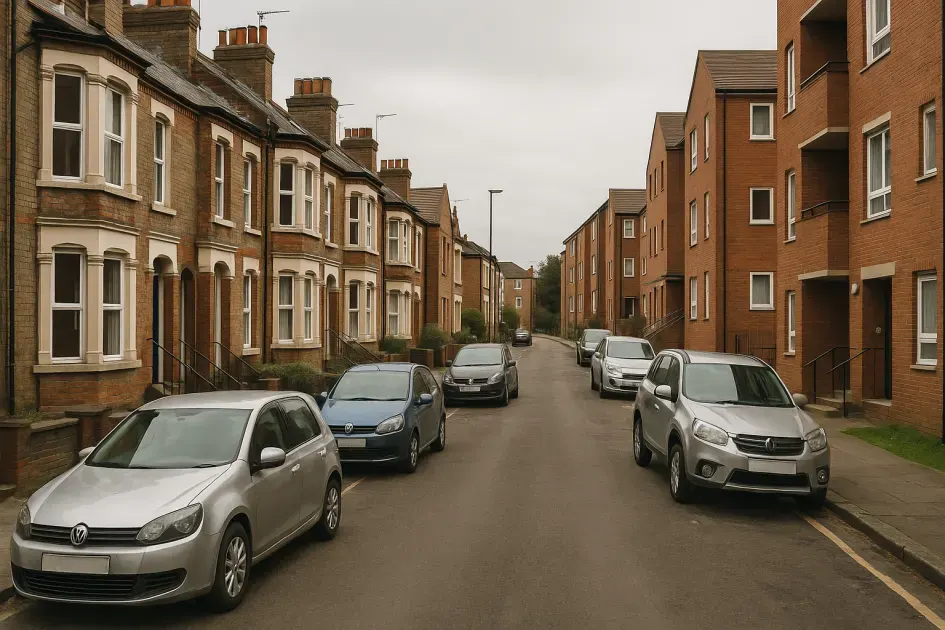
In Cathays, moves often involve student houses, subdivided terraces, HMOs and compact flats close to busy local streets. That creates practical issues such as narrow stairs, quick turnover tenancies, limited frontage and heavily parked residential roads, and those details are what shape the working pace once the crew arrives.

For the linked planning topics around access, read parking permits for moving in Cathays and moving costs in Cathays too.

Quick summary

  • The hardest part of a move is often inside the property, not on the road.
  • Upper floors, narrow turns and long internal routes can slow handling quickly.
  • Knowing the true access route early helps the job stay realistic.

Why property challenges matter differently in Cathays

The local housing stock in Cathays gives the area its own access pattern. Some jobs are slowed by older layouts and narrow stairs, while others are defined by managed-entry systems, shared corridors or longer carries from parking to front door.

Upper-floor moves can change the pace of the job even when the volume is modest. If you are planning a move, walk the route yourself first and note every point where handling could slow down.

Local examples and planning scenarios

A terrace can be awkward because the entrance is tight and the pavement is busy. A flat can be awkward because the lift is shared or the loading point is not beside the right entrance. In Cathays, the access challenge depends less on the postcode and more on the exact route through the building.

Use this page to map the property itself before the move begins. When you want to progress to the actual booking route, return to the main area page.

Practical advice before booking

  • Measure any narrow turn, stair or doorway that could affect bulky furniture.
  • Check whether the best van position is really beside the entrance you need.
  • Tell the team about lifts, coded doors, basements or split-level layouts.
  • Be specific about where larger items start and where they need to finish.

This guide is intentionally narrow: it focuses on access and building friction in Cathays so the main service page can stay transactional and clean.


Cathays Property Challenges FAQs

Common questions about building access and property layout in Cathays.

Because the route through the property often decides the working pace. A short carry with awkward stairs can be slower than a longer but simpler route.

Yes. Flats and managed buildings often involve lifts, corridors, entry systems or reserved loading arrangements.

It can. Tight turns, split levels and upper floors all affect how quickly larger pieces can be handled.

Usually, the entrance route, stairs, door widths, lift access and the actual stopping point for the van.

Because access details are what help the team judge time realistically before the move starts.

The most important point is the full route from room to van, including every stair, turn, door and shared access point.