
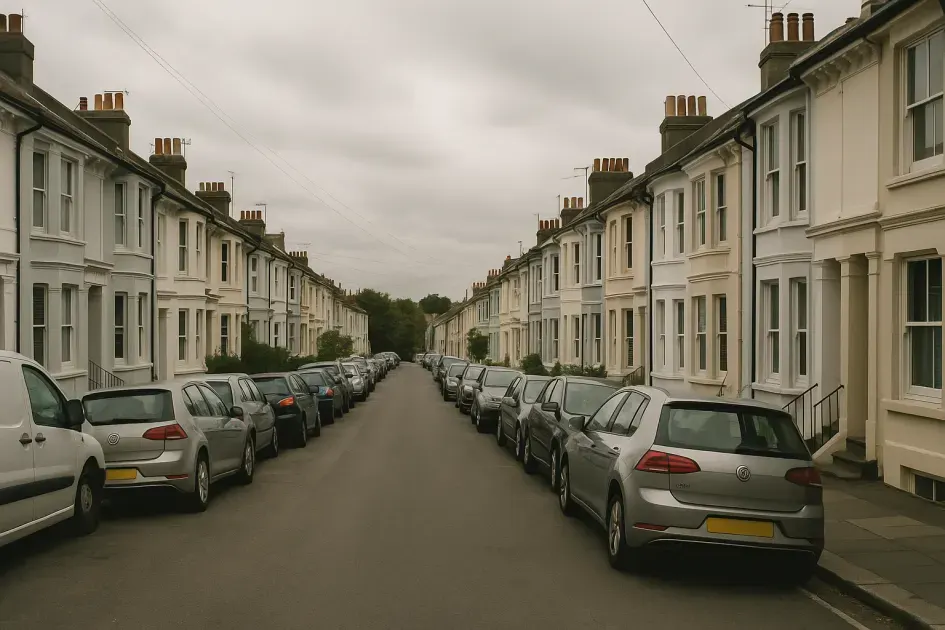
What matters operationally
Route predictability depends on how well you map legal approach streets, identify where the van can stop without blocking traffic, and match arrival with building access windows. In central Brighton, one-ways and bus-priority corridors can lengthen the final approach, so planning the last few hundred metres often saves more time than trying to optimise the longer drive. These route decisions sit within the broader city-wide picture covered on Brighton man and van services. That is visible in areas such as man and van services in Hove. One practical example appears in man and van services in Lewes.
Traffic timing sets your real loading window. Commuter peaks, school-run periods and seafront event days create stop-start progress, which increases carry distance if the closest bay is gone on arrival. The result is longer loading and less flexibility unless you stage items and confirm kerbside access early. The timing side of that is explored further in when Brighton moves tend to take longer.
How to plan around restrictions
Check route timing the day before and again on the morning of the move for closures, roadworks and events. Coordinate building access such as concierge sign-in, lift reservations and loading yard openings so the van arrives into a workable window. Build a short buffer between addresses so a small delay at the first stop does not cascade into the second.
There is no current clean-air charge to account for in Brighton, but the practical constraints are still central restrictions, timed loading bays and managed-building rules. Prioritise the address with the tightest access window, then shape your route around that. If you are planning a move, this is usually the most useful way to think about it.
Eight route-planning variables in Brighton
Traffic timing patterns
Commuter peaks on routes like the A23 and A270, plus school-run periods and seafront event traffic, slow the final approach and reduce available bays. Shifting departure and arrival to quieter windows protects unloading time.
Central access constraints
One-way systems, pedestrian-priority streets and bus lanes limit direct approaches. Choose a legal approach that places the van door on the building side, minimising road crossings and longer carries.
Kerbside loading conditions
Timed loading bays, double-yellow kerb blips and tighter terraces restrict dwell time and space. The smoother moves are usually the ones where two workable stopping points are identified in advance.
Building access limitations
Goods-lift booking, concierge sign-in and service-yard height limits can control the whole schedule once the van arrives. Confirm lift bookings, opening hours and vehicle size caps so unloading does not stall at the kerb.
Route predictability and delays
Roadworks or diversions on corridors like Lewes Road or the seafront create sudden re-routing. Keep a secondary approach planned and share it with the crew so last-minute turns do not cost time in tighter streets.
Vehicle suitability and access
Long-wheelbase or high-roof vans may struggle with tighter turns, lower arches or smaller service yards. Match vehicle size to street geometry and building constraints to prevent unloading from too far away.
Parking and permit constraints
Permit-only streets and resident bays reduce flexible stopping. Arrange visitor permits or authorised suspensions where available, and display documents clearly to avoid moving mid-load.
How clean-air or charge-zone rules affect moves in Brighton
No active clean-air or charge zone currently applies in Brighton. Even so, central streets still impose timed loading, bus-priority sections and resident-permit areas that influence route choice and arrival windows. Plan around those controls first and align the vehicle with the most constrained address.
Practical route-planning examples
Example 1: City-centre flat with a timed loading bay. Stage boxes by the entrance, arrive inside the window, and keep a secondary bay mapped nearby in case the first space is taken.
Example 2: Terrace house on a narrow one-way. Approach from the side that places the van door by the gate and shuttle with dollies to minimise dwell time.
Example 3: Managed building with goods-lift booking. Coordinate lift timing first, then set van arrival slightly before the slot so unloading starts cleanly.
Example 4: School-run corridor near a primary school. Avoid drop-off and pick-up peaks, use an inland approach and stage items so loading continues once parked.
Example 5: Permit-only street near the seafront. Secure a visitor permit or authorised suspension and keep a second route planned in case events limit access.
Practical route-planning checklist
- Timed loading bays → Confirm hours and max stay, schedule arrival inside the window, and pre-stage items at the door.
- Permit streets → Arrange visitor permits or authorised suspensions and display them clearly to avoid moving the van mid-load.
- One-ways and bus lanes → Pre-map a legal approach that puts the van door on the building side and avoids awkward turns.
- Building access rules → Reserve goods lifts and service yards and share vehicle size and arrival window with building staff.
- Event and school-run congestion → Choose quieter windows and keep a signed backup route to maintain predictable arrival times.
Apply neighbourhood context
Street width, bay timings and permit rules vary across Brighton. Use local knowledge to fine-tune approach streets and loading points for the exact addresses involved.