
What affects cost planning for moves in Brighton
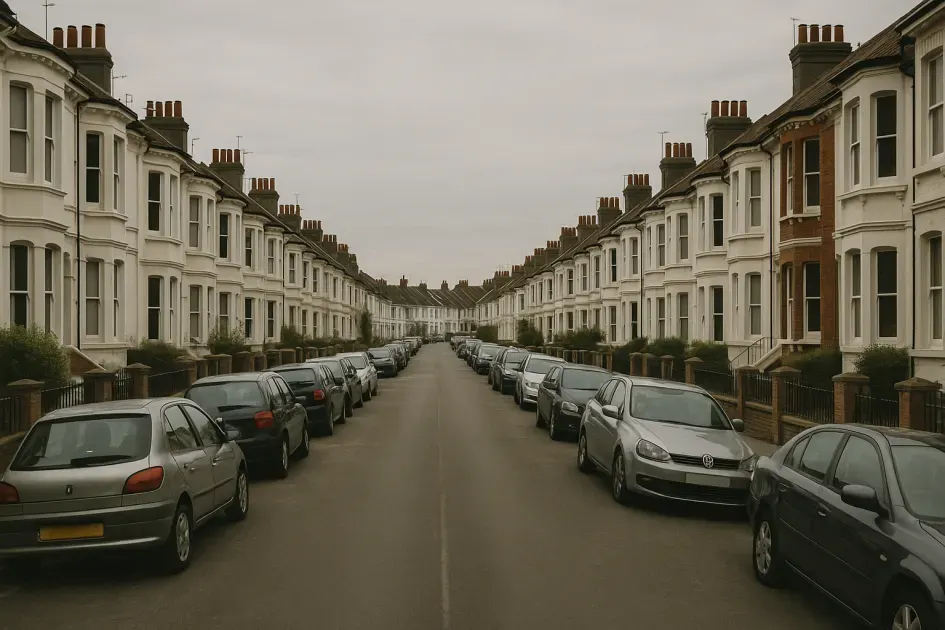
Most moving charges follow labour time. Short journeys can still cost more when loading and unloading are slow. Distance adds travel time, but parking access, carry distance, stairs and internal routes usually dominate the schedule. Stairs increase handling time item by item, while lifts help only when they are available and properly booked. Permit zones and tighter residential streets can force the van to park farther away, which stretches the kerb-to-door carry and increases the total handling minutes. Part of that broader picture comes from how route planning affects Brighton moves. That pattern is also reflected in how neighbourhood layout changes moving time. Scheduling pressure becomes clearer when viewed alongside Brighton demand patterns at different times. A useful local example can be seen in man and van services in Hove.
Parking restrictions do increase cost when they lengthen the carry or require repositioning the van. Stairs and long internal routes add repeated delays. Lift bookings and building rules can create fixed loading windows that compress work into awkward slots. Distance matters mainly through travel time and congestion risk, but access is the factor that most often determines total hours. If you are budgeting a move, this is usually what matters most.
What affects cost planning for moves in Brighton
| Cost driver | What changes the time | Why it affects total cost |
|---|---|---|
| Parking access | Permit bays, double yellows, distant spaces, or needing a spotter to hold a space | Longer kerb-to-door carries and van repositioning add minutes to every load, increasing billed hours |
| Building layout | Stairs, tight turns, long corridors, small lifts, or lift queues | Each item moves slower; cumulative handling time rises across the whole inventory |
| Van size / movers | Too-small van needs extra trips; too few movers slow handling; too-large van may face access limits | Right-size vehicle and crew reduce trips and handling delay; mismatches extend the schedule |
| Route timing | School-run or commuter traffic, roadworks, one-way grids | Lower route predictability creates idle time between loading phases, increasing overall hours |
Typical move price patterns in Brighton
Moves scale with duration because labour time is the main charge. A compact, well-accessed flat can be completed in a short session, while the same inventory can stretch to a long half-day when parking, stairs or lift waits slow each carry. Two similar-looking moves may finish at very different times because access and timing dictate how fast items move from home to van and back.
| Move type | Typical time range | What affects duration |
|---|---|---|
| Single-item or mini move | Brief slot | Proximity of parking, stair count, and doorway width |
| Studio or small flat | Short session to long half-day | Permit parking, lift availability, and carry distance from bay to door |
| 1–2 bed flat | Half-day to full day | Stairs vs lift, internal corridors, narrow streets requiring distant parking |
| 2–3 bed house | Full day to extended day | Volume of items, dismantling needs, split loads due to access limits, and traffic timing |
Cost examples by move type
Example 1: Small flat, clear parking, ground floor
A studio with pre-packed boxes, the van parked directly outside, and no stairs allows continuous loading. Fast carries keep the schedule compact, containing labour time.
Example 2: Small move with permit bay 40–60m from door
Permit restrictions prevent doorstep parking, adding a longer carry. Each walk adds minutes, and the total builds quickly across all boxes and furniture.
Example 3: One-bed flat to flat with a small lift
The lift reduces heavy handling but its smaller size increases trips and occasional waits. Stop-start loading raises the elapsed time even when the drive is short.
Example 4: Two-bed flat with stairs and narrow street access
A larger inventory plus stairs and a tight one-way street require staged loading from a nearby legal bay. Extra handling and occasional pauses increase the overall job time, even when the addresses are close.
Example 5: Family house to managed apartment with loading bay booking
The building’s loading bay must be booked and a concierge grants timed access. Work has to align to that slot, so any queue or overrun extends the day and increases labour hours.
How to keep the move efficient
Efficiency comes from reducing avoidable handling and idle time. Small changes to access, packing and timing can prevent stop-start loading and shorten the schedule.
- Permit zones or controlled bays → Arrange visitor permits or pay-and-display in advance and place them in windscreens before loading starts.
- Long carry from street to door → Pre-stage boxes near the exit and keep clear walkways to remove obstacles and reduce per-trip time.
- Stairs or tight turns → Dismantle bulky furniture and box loose items so each carry is safer and faster.
- Shared lifts or loading bays → Book the lift and loading bay, pad the lift, and confirm times with building management to avoid waits.
- Narrow residential streets → Hold a space with a car that can be moved when the van arrives, or agree a safe loading point.
- School-run or commuter congestion → Aim for mid-morning or early afternoon slots to improve route predictability.
- Mixed inventory and fragile items → Label by room and fragility and group similar items so crews can load in efficient batches.
- Multiple keys or fobs → Keep them with a single point person to prevent lockouts and pauses between trips.
Brighton’s neighbourhoods vary: some areas have terrace housing with permit-only bays, others have apartment blocks with loading bays and lift bookings. Street width, parking rules and housing density change how quickly crews can load and unload.