
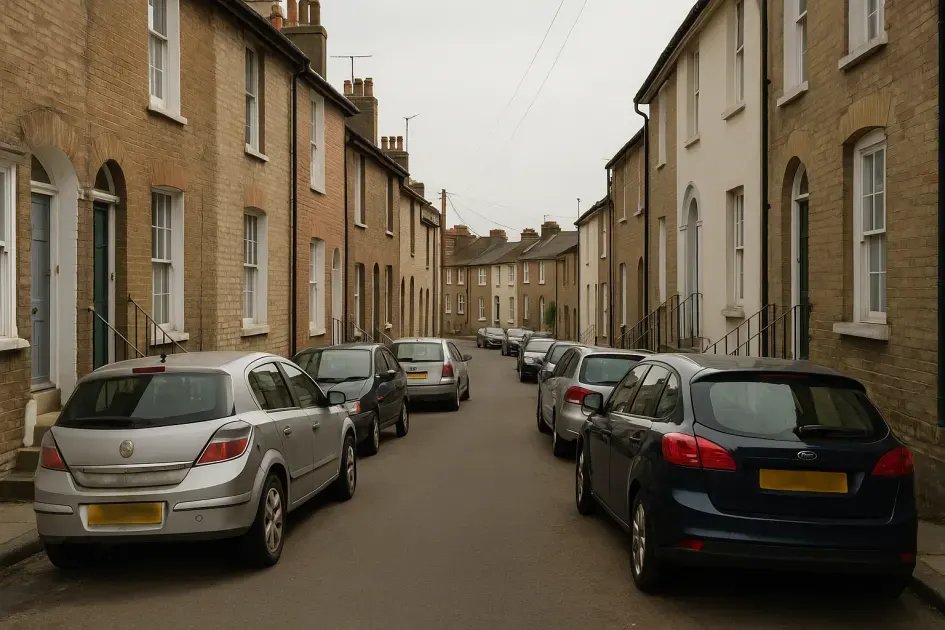
Record Lewes changes of level
For a Lewes move where the entrance sits above or below the road, describe the outside steps before the internal layout. Measure the narrowest doorway and identify whether large furniture leaves through the front or another entrance.
Photograph the route from the proposed loading position. An address alone cannot show those handling requirements.
Send a usable access brief
- Photograph the narrowest doorway, gate or stair turn alongside the item dimensions.
- Describe the legal loading position and the complete carrying route.
- Confirm any preparation and the person responsible for opening shared or controlled access.
Check the destination too. A piece that leaves the old home easily may need different preparation or handling at the receiving property.
Check the local arrangements
For the Lewes address, use Lewes parking reference as a starting point for the current street requirements. Confirm that the guidance covers the actual location and proposed use; it does not grant private-building access.