What matters operationally
What matters operationally
A good route only works if it gets the van to the right place at the right time, with enough room for unloading to begin immediately. In Bournemouth, that can mean balancing central access limits, seafront pressure, local school-run traffic and the availability of a legal stopping place. The main goal is to protect the working window at the property. The timing side of that is clearer in when Bournemouth moves tend to take longer.
How to plan around restrictions
Check traffic conditions and local events the day before and again on the morning of the move. Confirm where the van can legally load at both ends and whether that position depends on a permit, a timed bay or building approval. Add buffer where the destination relies on a lift, controlled entry or supervised bay. In Bournemouth, day-to-day timing, permits and building coordination usually matter more than mileage itself. That is especially visible in man and van services in Christchurch. Similar route constraints also appear in man and van services in Ringwood.
Eight route-planning variables in Bournemouth
Traffic timing patterns
School-run periods, commuter traffic and seasonal local surges can all make arrival less reliable. Those extra minutes matter most when the destination depends on a timed bay or a building slot. Those access constraints feed directly into how moving costs are shaped by access and time.
Central access constraints
Pedestrianised streets, bus lanes and time-limited central loading points can make the obvious route unusable for a moving van. That turns what looked simple on a map into a more technical approach. A practical local example is man and van services in Canford Cliffs.
Kerbside loading conditions
Timed bays and strict loading points make preparation more important. The smoother moves are usually the ones where paperwork, staging and access details are already sorted before the vehicle arrives.
Building access limitations
Lift bookings, concierge controls and service-entrance rules can be just as important as the road route. A well-timed drive still fails if the building cannot receive the move when the van gets there.
Route predictability and delays
Roadworks, seasonal traffic pressure and unplanned incidents reduce flexibility. Backup approaches matter most when the destination has a fixed loading window or restricted stop.
Vehicle suitability and access
Street width, turning space and low-clearance areas affect which van is actually practical. In some cases, a smaller van keeps the day faster because it can stop where a larger one cannot.
Parking and permit constraints
Resident controls and paid bays shape where the vehicle can wait and how long it can stay. Missing one permit detail can quickly turn a close-loading move into a longer shuttle job.
How clean-air or charge-zone rules affect moves in Bournemouth
No active clean-air or charge zone currently applies in Bournemouth. Day-to-day moving delays are usually shaped more by timed bays, central restrictions and building access than by wider charging rules, so that is where most planning effort should go.
Practical route-planning examples
Example 1: City-centre flat with a timed loading bay. The best plan is to stage heavy items early and arrive inside the exact unloading window.
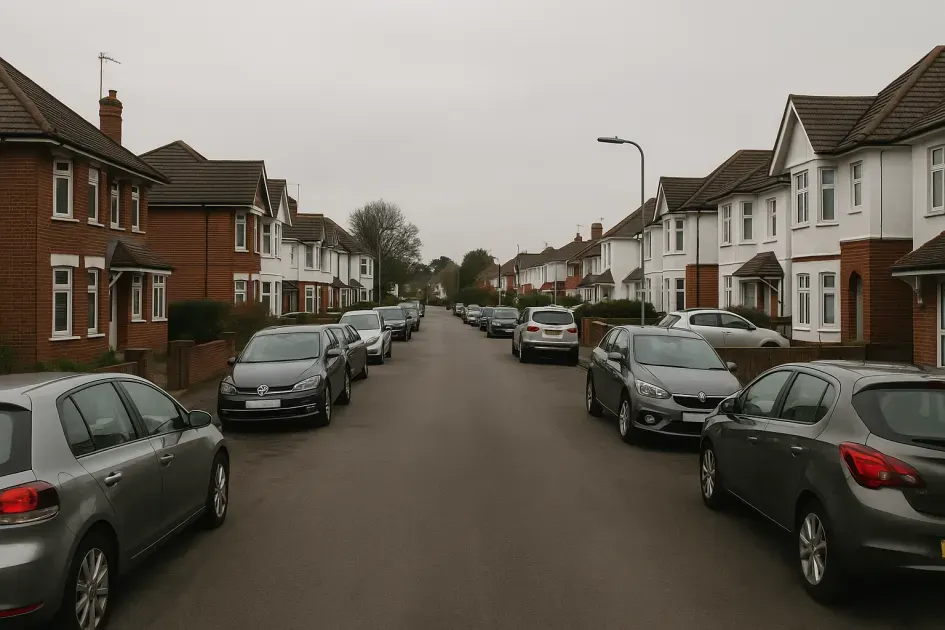
Example 2: Terrace house on a narrow street with resident controls. A visitor arrangement or nearby legal stop protects the move far more than simply taking the shortest drive.
Example 3: Office or apartment move with managed access. Security sign-in and lift timing need to be ready before the van arrives, otherwise the route has not really succeeded.
Example 4: Seafront apartment on a busy weekend. An earlier start and a secondary stopping option make the day more robust if local traffic is heavier than expected.
Example 5: Suburban-to-central move via the A338. A backup route can preserve the unloading slot if the main approach becomes unreliable.
Practical route-planning checklist
- Pedestrianised or bus-gated streets → Identify the legal loading point and the exact time window before the move day.
- Resident zones or paid bays → Arrange permits or approvals in advance to keep the van within a short carry distance.
- Lift bookings or service-yard access → Confirm the slot, dimensions and access contact so the van arrives into a workable window.
- Peak commuter or event traffic → Shift departure outside the busiest periods and keep a secondary approach ready.
- Narrow streets or low headroom → Choose a vehicle that suits the street and stopping position rather than simply the biggest capacity.
Apply neighbourhood context
Street width, bay rules and building access vary across Bournemouth, so route planning works best when it reflects the real conditions at both addresses rather than just the mileage between them.