Why demand patterns matter
Why demand patterns matter
When bookings cluster into the same windows, the day becomes less forgiving. Earlier jobs have more influence on later ones because any delay now affects not just arrival time, but also parking availability, building slots and handover timing. In denser parts of Bournemouth, that matters more because the best stopping places and access windows disappear quickly.
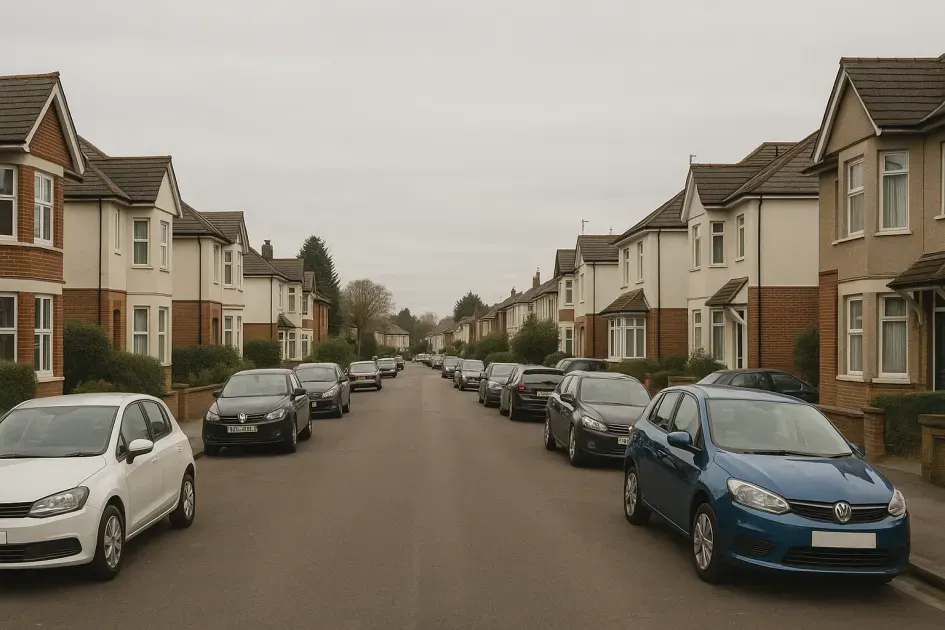
High-demand periods also reduce flexibility on the ground. Kerbside spaces fill faster, loading windows narrow and there is less freedom to recover from a small setback. Most delays come from access constraints rather than distance, especially once the best bay has already gone.
Midweek moves are generally easier to stabilise because there is more room to line up the best start time with the most restrictive address. This helps you avoid delays on the day.
Typical Bournemouth demand cycle
| Period | Operational effect |
|---|---|
| Weekends | Reduced booking flexibility, tighter start windows, and fuller streets; occupied bays increase loading distance and create cascading delays across consecutive moves. |
| End of Month | Tenancy handovers bunch together; lift bookings and key collection slots collide, shrinking slack and raising overrun risk between addresses. |
| Summer / Student Areas | Turnover near campuses concentrates moves; local congestion and limited parking reduce route predictability and extend loading times. |
| Midweek (Non-peak) | Wider start-time options and easier parking access; fewer overlaps reduce knock-on delays and improve scheduling reliability. |
Eight Bournemouth timing drivers
1) How weekend bookings reduce start-time flexibility
Weekend demand fills the best starts first. Once those early slots are gone, later bookings become more exposed to overruns and fuller local streets.
2) Why end-of-month tenancy cycles cluster moves
Month-end handovers compress keys, checkout times, bays and building procedures into the same few days. That leaves less slack in the schedule.
3) How student-area turnover creates seasonal spikes
Student moves create short bursts of concentrated demand. Where several flats or shared houses turn over together, the pressure on bays and approach roads rises quickly.
4) Why school-run traffic increases scheduling risk
School-run periods create short but disruptive blocks of congestion on local approaches. A move can be ready to go, yet still lose time because the van reaches the address later than planned.
5) How commuter traffic changes route predictability
Busy approaches into and across Bournemouth make ETAs less dependable. That matters most when the destination depends on a timed bay, lift booking or handover slot.
6) Why building booking rules reduce available slots
Apartment buildings and managed developments often allow moves only during limited periods. Once those periods fill, the remaining options are less flexible and more vulnerable to delay.
7) How narrow residential streets increase timing sensitivity
Tighter streets and controlled parking offer less room for correction. If the closest workable stopping point is gone, the move becomes slower immediately through longer carries or extra repositioning.
8) Why mixed-density neighbourhoods produce uneven demand
Areas combining flats, terraces and family homes can create overlapping pressure on the same kerbside space. That makes scheduling more brittle than it first appears.
Scenario modelling
Scenario A: Midweek move to a low-rise block with visitor bays available. A wider start window helps the crew secure the best position and work with fewer interruptions.
Scenario B: Saturday terrace-house move on a permit street. Weekend demand means fewer close spaces and a slower rhythm once the street fills.
Scenario C: Month-end flat move in a student-heavy area. Key timing, shared access and fuller roads make a small delay more likely to ripple into the rest of the day.
Practical scheduling checklist
- Weekend clustering → Request the earliest realistic start or build in a fallback window so the day can absorb overruns.
- Month-end handovers → Confirm key timing and building slots clearly before committing to the arrival window.
- Permit parking streets → Arrange permits or temporary permissions in advance and confirm the closest workable space.
- School-run congestion → Avoid the busiest local arrival periods where possible to protect both ETA and kerb access.
- Narrow street geometry → Use a practical vehicle size and stage items closer to the exit so longer carries do not dominate the move.