
Torry Hidden Moving Costs – Delay Risks That Quietly Push Costs Up

Hidden moving costs in Torry usually come from lost time rather than surprise add-ons. Small delays build up when access is slower than expected, the loading route is longer than it looked on paper, or the van cannot work from a sensible position.

Use man and van in Torry first for the core service page when you want the clearest route from cost checks to booking.

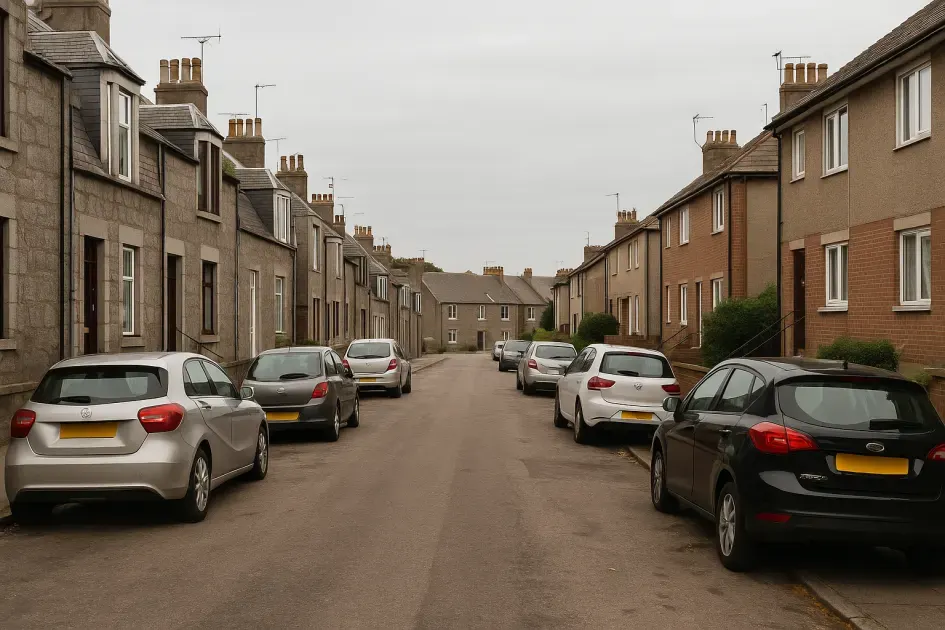
Torry commonly involves granite tenement flats around older residential streets, post-war blocks and maisonettes around Balnagask, and newer apartment pockets closer to the waterfront side. That matters because jobs here are often shaped by shared closes, communal entrances, repeated stair runs and streets where the van may need to load from a less-than-ideal position. Each extra hold-up can look minor on its own, but repeated waits and awkward carries are what quietly push a move beyond the range people expected.

To spot where extra costs usually appear before booking, look at moving costs in Torry and property access challenges in Torry as well.

Quick summary

  • Hidden costs are usually time-related, not mystery fees.
  • Extra carries, shared access points and waiting time are common causes of drift.
  • Weekday pressure and busier routes toward the harbour side can add friction even when the distance on paper looks modest, which can magnify even a short delay.

Why hidden costs behave differently in Torry

Dense and practical rather than sprawling, which means loading rhythm and access decisions usually shape the day more than raw travel time, so small access problems tend to repeat across the full job. A longer walk from the van, a delayed lift, or a tight entrance that slows larger items can all add labour time without changing the route at all.

Booked through one managed platform, the move is easier to price well when the real conditions are clear from the start. This helps you avoid delays on moving day and gives a more reliable picture of what the job is likely to involve.

Local examples and planning scenarios

A short move can still overrun when the team has to wait for entry, carry through a longer internal corridor, or reposition around parked cars. In Torry, upper-floor moves and awkward carries often change the pace more than the drive itself.

To reduce surprises on the day, compare this topic with moving costs in Torry and property access challenges in Torry. Once the extra-cost checks are done, go back to man and van in Torry.

Practical advice before booking

  • List every access step between the room and the van.
  • Mention controlled doors, reception desks, lifts and time-limited bays.
  • Flag any furniture that needs extra care through tight turns or shared stairs.
  • Build in a sensible time window if the area is busier at certain points of the day.

Use this page to spot where cost drift usually starts, then use the main service page when you want the actual booking handled through the platform. The support page should sharpen planning, not compete with the battlefield page.


Torry Hidden Moving Costs FAQs

Common questions about the quiet delays that can stretch a move in Torry.

They usually come from time loss rather than from unexpected fees. In Torry, longer carries, delayed access and awkward handling are common examples.

Short carries, stair delays, controlled entry systems and poor van placement are all typical causes. Small hold-ups matter because they repeat across the full job.

Very often. When the van cannot load from a sensible point, the move becomes slower even though the route itself has not changed.

Yes. Apartment moves in Torry can involve lifts, shared doors and longer internal walks, and those details are exactly where hidden time tends to appear.

Describe the access route clearly before booking and be honest about anything awkward. Good planning is the simplest way to stop small delays turning into extra cost.

A local support page like this helps by showing where cost drift usually starts. In Torry, the hidden part is rarely the price itself; it is the time added by access and timing friction.