
What actually drives removals costs in Newcastle Under Lyme

Property type: terraced, flats, semi‑detached and new builds

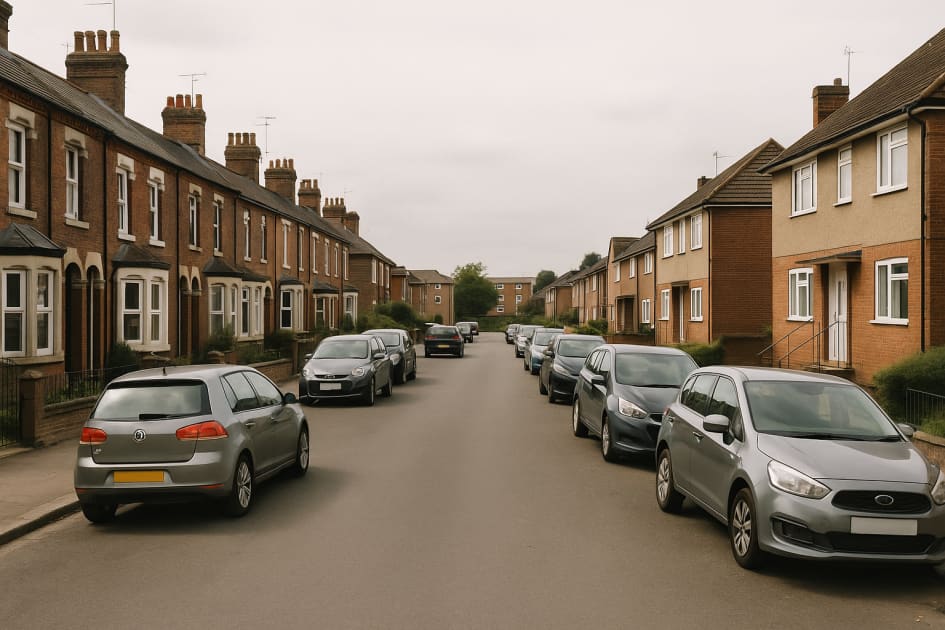
Newcastle Under Lyme's housing mix changes how long a move takes. Victorian terraced streets close to the town centre and surrounding wards often have narrow front gardens and tight internal staircases; moving bulky wardrobes and mattresses in and out increases handling time and the need for protective packing. First‑floor flats above shops or converted townhouses require longer carry distances and more careful manoeuvring, which increases labour hours. Semi‑detached properties in suburbs such as Chesterton or new build estates on the town fringes tend to have off‑street parking and level thresholds, allowing direct loading and fewer staff hours. In short: the older terraces and many town‑centre flats typically add measurable time — and cost — compared with modern houses in the same borough.

Access constraints specific to Newcastle Under Lyme

The town centre’s historic street layout places real limits on removals. Narrow pavements, short loading bays and active market days reduce the chance of getting a large vehicle right to the property entrance. Several residential pockets off High Street and Ironmarket have limited parking and tight kerbs that slow down loading and unloading. Conversely, estates built in the 1980s and later often give driveways or laybys that let crews load directly from door to lorry. Where on‑street parking is enforced or pay‑and‑display meters are in effect, expect additional time to find legal parking or to ferry items a longer distance — and that extra time shows up on the invoice.

Newcastle Under Lyme removals service is the main booking page for checking availability, pricing and move details in one place, while moving costs in Stoke on Trent gives the wider regional cost picture.

Operational friction: carry distance, stairways and loading time

Every extra metre carried and each flight of stairs increases task duration. In Newcastle Under Lyme, narrow terraced thresholds and some flats above commercial premises create repeated micro‑delays: manoeuvring large furniture down winding staircases, protecting cornices on narrow landings, and shuffling items past fixed radiators. These are not one‑off problems; they multiply across a full house move. Longer carry distances from a legally parked vehicle to the property front door convert into additional labour hours and often an extra crew member to keep the job moving efficiently.

Vehicle limitations and the local street network

Large 7.5‑tonne rigs or long removal lorries are ideal for reducing trips, but some streets and cul‑de‑sacs around Newcastle Under Lyme have tight turns and low kerbs that prevent their use. Where big vehicles are impractical, smaller removal trucks or multiple loading runs are required. That raises both driving time and the total number of man‑hours. If a chosen vehicle cannot park close enough, expect stair carries or dolly runs that lengthen the job and therefore cost more than a move where a single large vehicle can park adjacent.

If you want to separate headline pricing from the details that change the final job, compare hidden moving costs in Newcastle Under Lyme and property access challenges in Newcastle Under Lyme.

Crew size requirements and the effect on cost

Crew sizing is a balance between speed, safety and access. A three‑person crew can finish a typical three‑bed semi faster than two people, but in areas with narrow streets — common near the town centre — an additional person is often needed not just for speed but to manage parking, traffic and complex building access. That extra hour of labour for additional crew members is a direct cost driver, particularly on moves from terraces or flats where time per item increases.

Time‑based cost increases: when time equals money in Newcastle Under Lyme

Hourly charges multiply with delays. Expect slower average hourly progress when moving during local peak periods: market days, school run times, or evening access restrictions around terraced residential streets. Early morning starts in narrow lanes can be slower because crews have to wait for legal parking or for neighbours to clear the street. Bank holidays and weekend slots in Newcastle Under Lyme generally attract premium rates because of higher demand and limited weekday loading options, meaning the same job often costs more than an identical weekday move.

Day‑of‑week and timing effects compared with other parts of Stoke On Trent

Newcastle Under Lyme differs from busier central Stoke areas (for example Hanley) because the town centre is smaller but its historic street pattern places constraints on vehicle access at the property level. Hanley’s larger commercial streets sometimes have sanctioned loading bays that speed up large moves, while Newcastle Under Lyme’s residential pockets more frequently require longer carries. As a result, similar‑sized moves in Newcastle Under Lyme can take longer and therefore cost more than equivalent moves in parts of Stoke On Trent with purpose‑built loading facilities or wider streets.

Practical planning checklist for costing a Newcastle Under Lyme move

  • Assess property type: note terraces, flats above shops or new builds and expect different handling times.
  • Check vehicle access: measure turning circles, driveway width and possible parking for a 7.5‑tonne vehicle.
  • Plan for carry distance and stairs: longer carries equal more labour hours.
  • Consider timing: avoid market days and school run periods when possible to reduce delays.
  • Factor permit and parking costs into the budget for town‑centre addresses.

For details about removals services in this immediate area visit Newcastle Under Lyme removals service. For broader pricing drivers across the city see moving costs in Stoke on Trent, and for extra one‑off fees that commonly appear on invoices check hidden moving costs in Newcastle Under Lyme.