
What actually drives removals costs in Hanley, Stoke On Trent

Hanley is the commercial heart of Stoke On Trent, with a mix of city-centre flats, Victorian terraces and newer suburban developments. That mix creates real, physical effects on time and cost. Below are the specific local factors that make a Hanley move cost more — or less — than a similar job elsewhere in the city.

When you are ready to move from cost research to the main move page, start with Hanley removals service.

Property type: terraces, flats, semi‑detached houses and new builds

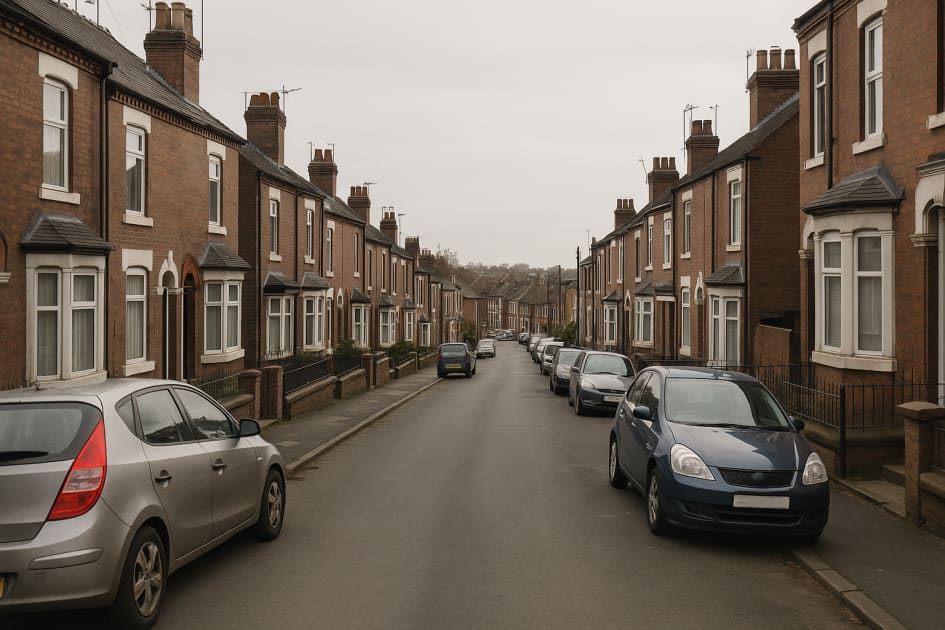
Terraced houses close to Hanley centre are often narrow with reduced pavement space. Moving bulky furniture through narrow front doors or across small garden paths increases carry time and the need for protective kit — both push up cost.

You will often need to consider For a fuller cost picture, read this alongside hidden moving costs in Hanley and property access challenges in Hanley. at the same time.

For the wider picture across the area, refer to moving costs in Stoke on Trent.

Flats above shops or above parade buildings in the precinct often have no lift, or lifts unsuitable for tall wardrobes. Each flight of stairs adds labour and risk, so stair-heavy flat moves in Hanley take notably longer than ground-floor moves. Semi‑detached homes on the outskirts usually give easier vehicle access and shorter carry distances, lowering labour time.

New build developments near Hanley can look straightforward, but gated parking courts, narrow turning circles and designated visitor bays can prevent direct vehicle access; that forces longer carries from a road or layby, and sometimes requires additional equipment (ramps, tail lifts), which adds to costs.

Access constraints: parking, narrow roads, permits, lifts and stairs

Central Hanley contains pedestrianised sections and controlled loading bays by the shopping centre and bus interchange. On busy days these spaces are occupied, so legal parking may only be available on adjacent streets. A legal parking spot several minutes’ walk away multiplies the time crews spend each trip, increasing hourly charges.

One-way streets and traffic-calming features are common around the town centre; they can force longer vehicle routes and extra manoeuvring time. When a property is on a narrow street, large removal vehicles may not be allowed to stop; in those cases multiple smaller vehicle trips are required, raising both mileage and labour time.

Operational friction: carry distance, loading time and restrictions

Every extra metre between truck and front door in Hanley is paid for in manpower. Typical friction points here are: parking on a main road while equipment is carried through alleys, stair-only access in older flats, and loading bays blocked during town events. Those conditions extend job duration and sometimes require extra crew members to maintain a safe and steady pace, which increases the overall price.

Vehicle limitations and their cost implications

Large removal lorries lower the number of trips but need space to park and turn. In Hanley’s tighter streets and around the shopping precinct that space can be unavailable. Where a large lorry can’t reach, smaller vans or a 7.5t truck must shuttle between the property and the nearest legal parking — more trips equals higher labour costs and higher mileage charges. Occasionally platform or tail‑lift vehicles are needed for new developments with gated access; hiring specialist kit affects the quote.

Crew size requirements driven by local conditions

Crew numbers grow when physical constraints increase complexity. A two-person crew can handle a 1‑bed flat with immediate kerbside access, but a 2‑ or 3‑bed terraced house with narrow corridors or a stair-only flat above shops will typically need three or four movers to keep the move efficient and safe. Hanley moves that involve long carries, multiple flights of stairs or heavy, awkward items (pianos, large wardrobes) also attract extra hands — and therefore higher labour costs.

Time-based cost increases: when a Hanley move gets pricier

Timing affects both accessibility and demand. Summer months and end-of-month exchange/move dates see higher demand for experienced crews in Hanley; parking pressure and busier streets at those times make moves slower, and many removal firms apply higher rates for peak demand. Similarly, arranging a suspended parking bay or a short-notice permit near the shopping centre will incur additional fees and planning time.

Day-of-week and timing effects specific to Hanley

Weekdays outside the main shopping rush provide the best chance of uninterrupted loading in central Hanley, because loading bays and adjacent streets are less crowded. Weekends, market or event days generate heavier footfall and occupied bays; that slows every trip between van and property and often attracts premium charges. Early-morning starts can avoid shopper congestion but may run into controlled parking times, so pre-planning is necessary to prevent on-the-day delays that add to the bill.

Planning for Hanley: what to do before your moving day

Because local access and time are the largest cost drivers in Hanley, early reconnaissance of parking, stair access and the presence of lifts pays off. Confirm whether the destination is near loading bays, if resident parking zones operate at your hours, and whether there are known town centre events on your preferred date. For more on planning and the wider Stoke On Trent area, see the city-wide moving costs guidance at moving costs in Stoke on Trent. For Hanley-specific operational issues such as loading bay availability and extra on-the-day charges, consult hidden moving costs in Hanley, and for general local details see the Hanley removals overview at Hanley removals service.