
Packing advice for moves in North Tyneside

Packing advice tailored to North Tyneside

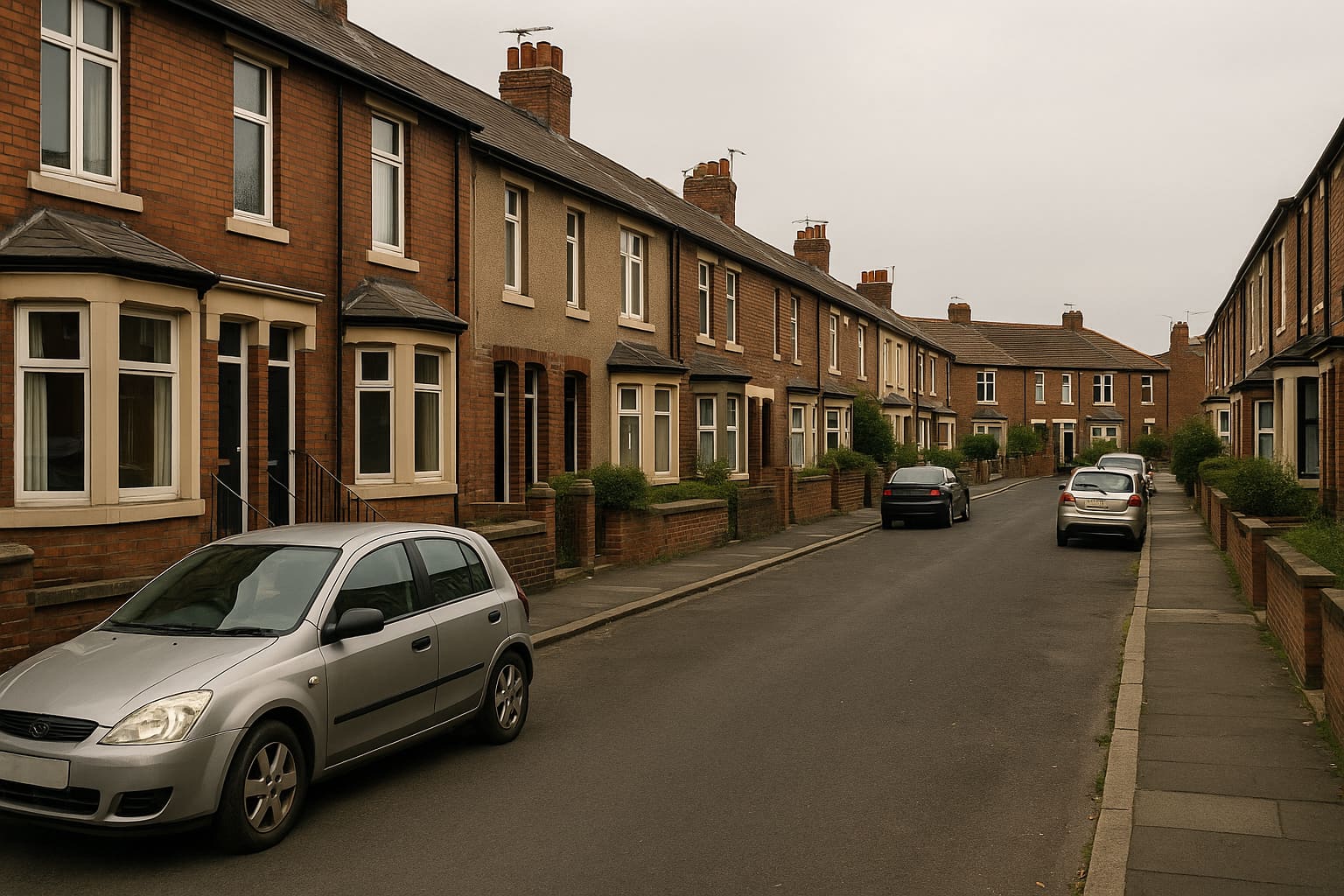
North Tyneside covers a mix of coastal towns and suburban streets — Whitley Bay promenades, Victorian terraces in North Shields and newer estate pockets on the outskirts. Each micro-location creates different packing and operational needs: sea-front properties face salt and steps; terraces and converted flats often lack lifts; newer estates may restrict large-vehicle access into gated courtyards. Below are packing strategies that reflect those real-world constraints and the likely impact on time and cost.

When you need the main booking page rather than background reading alone, start with North Tyneside removals service and use Newcastle moving timing guide for wider regional context.

Property types and how they change packing

Terraced houses: Many terraces around Tynemouth and North Shields have narrow hallways and tight front doors. Break down bulky items at home and wrap uprights and cornices in quilted covers so they can be manoeuvred through tight angles. Pack heavier goods into small boxes that two porters can hand up stairs quickly — this avoids multi-person awkward lifts that slow the job down.

Flats (converted Victorian and purpose-built): Converted flats above shops or along the high street often have stair-only access and small lobbies. Use side-handled boxes and wardrobe boxes for hanging clothes to avoid folding and re-pack time. Label boxes with floor number and lift/stair note so teams know whether to expect an elevator or a two-flight carry.

Semi-detached homes and new builds: Newer estates may offer drive-in access but sometimes into communal parking courts with entry height or width limits. Disassemble beds and sofas so they can be carried through narrow estate gates. In developments with shared spaces, check whether you need a temporary vehicle bay or permission to park a removal vehicle close to the property.

You will often need to consider To keep planning practical rather than repetitive, connect this page with best time to move in North Tyneside and moving guide for North Tyneside. at the same time.

Packing for stairs and flats — minimise carry time

  • Use smaller boxes for stair carries: 15–20kg maximum makes single-person hand-offs quicker and reduces stoppages for rest.
  • Side-handled and two-handled boxes speed passage on flights of stairs and reduce the chance of dropping or re-stacking mid-run.
  • Place heavy items (tools, books) in suitcases with wheels or on a stout trolley for the flat-to-truck segment, reducing multiple transfers.
  • Disassemble beds, flat-pack wardrobes and curtain poles ahead of time and bag screws and fittings taped to the item so reassembly is straightforward once delivered.

Protecting items for longer carry distances

Long carries from a restricted parking spot add abrasion and exposure risk. If the van cannot reach the kerb because of double yellows, narrow streets or temporary market stalls, consider these steps:

  • Waterproof and dustproof packaging: use sealed plastic boxes for electronics and paperwork, and vacuum-sealed duvets or mattress bags to keep textiles safe from grit and moisture.
  • Furniture padding: wrap legs and corners in thick moving blankets and secure with stretch wrap — this avoids knocks during longer outdoor transfers across rough pavements common near the coast.
  • Protect metal components from salt: bag metal fittings and keep tools and small hardware in plastic tubs to prevent rust over a prolonged exposure from repeated outdoor handling.

Efficient labelling and loading in constrained layouts

Labelling becomes operationally critical when access is limited. In North Tyneside properties with multiple entry points or odd internal routes, clear labelling reduces time wasted moving boxes between rooms.

  • Use colour-coded tape per room, and write the specific drop point (e.g. 'Kitchen — rear vestibule') on every box.
  • Prioritise loading order: heavy and irregular items first, followed by boxes grouped by room — this minimises re-handling at the destination when stair or lift sequences differ.
  • Mark boxes with handling instructions and whether they must stay dry — important for seaside locations where weather can change suddenly during a long carry.

Preparing for tight access and awkward loading positions

Tight access is common in conservation areas, alleys off Fish Quay, and older terraces. These conditions increase labour time and often the hourly cost because each item takes longer to move safely:

  • Measure large items against doorways, stair widths and any gate openings in advance so you can decide whether disassembly is necessary.
  • Use narrow-profile trolleys or stair climbers for repeated flights to speed movement and protect backs. On uneven pavements near the coast, pneumatic-tyred trolleys are more reliable than hard wheels.
  • Plan vehicle placement and apply for temporary parking or loading suspension through North Tyneside Council if the property’s street layout makes stopping close impossible — this reduces carry distance and overall time on the day.

Real-world time, cost and planning implications

Access friction directly affects time and cost. Expect: longer loading and unloading times for stair-only flats; extra labour for long carries from restricted parking; potential permit fees or waiting to secure a temporary bay; and additional packing materials for coastal or exposed properties. Factor in a time buffer for unexpected access problems on narrow terraces or during local events on the seafront.

Quick checklist before moving day

  • Measure doors, stair widths and parking space dimensions.
  • Separate and bag small hardware, label with item and furniture name.
  • Pack heavy items in wheeled luggage or small boxes, and mark them clearly.
  • Apply for any necessary temporary parking/loading permits with North Tyneside Council if vehicle access is likely to be restricted.
  • Use mattress bags and sealed boxes for items vulnerable to coastal moisture.

For a broader view of how timing affects local moves, see the planning guide at Newcastle moving timing guide. For area-specific move planning in North Tyneside, visit North Tyneside removals service, or learn about the seasonality and best dates at best time to move in North Tyneside.


Common packing questions for North Tyneside moves

Short answers to frequent packing concerns that arise on removals within North Tyneside — practical, locality-aware guidance for stairs, parking, fragile items and loading.

Yes. Many high-street flats are in converted Victorian buildings without lifts and with narrow staircases. Use small, manageable boxes (15–20kg max), side-handled boxes for stair carries, and protect furniture components with blankets and cardboard. Expect longer carry times — plan extra labour time and label boxes with the flat number and floor so movers can stage deliveries efficiently.

On-street parking, permit zones and pay-and-display bays are common in Tynemouth, Cullercoats and parts of North Shields. If the moving vehicle cannot park close, you will face longer carry distances. Pack heavy items into wheeled cases or use suitcase packing to reduce lift time; mark heavy boxes clearly and plan to load bulky items first to minimise re-handling.

Salt air increases the risk of corrosion and damp. Wrap metal fittings and electrical items in plastic sheeting, keep textiles in airtight boxes or vacuum bags, and use mattress bags. For furniture, pad edges and seal dressers or wardrobes with covers — this prevents grit and moisture damage during longer outdoor carries.

Expect uneven pavements and short stretches of steps. Use durable wheeled equipment (large pneumatic tyres where possible), transfer loads into smaller boxes for staircase segments, and break down large furniture items before the move. Allow extra time for safe transfers; these conditions increase loading time and may increase cost because of slower throughput.

Adopt a two-part label: room name plus drop zone (e.g., 'Kitchen — Back stairs'), and include brief handling notes ('Fragile — top', 'Heavy — 18kg'). Use large, coloured tape per room to direct movers quickly in multi-entrance houses common in older terraces. This reduces search time in properties where items must be carried through convoluted routes.

The exact answer depends on the access route, loading position, building type and timing conditions in North Tyneside, but clear planning is usually the simplest way to reduce friction and avoid surprises.