
Packing advice for removals in Gateshead

Packing for moves in Gateshead — read this before you start

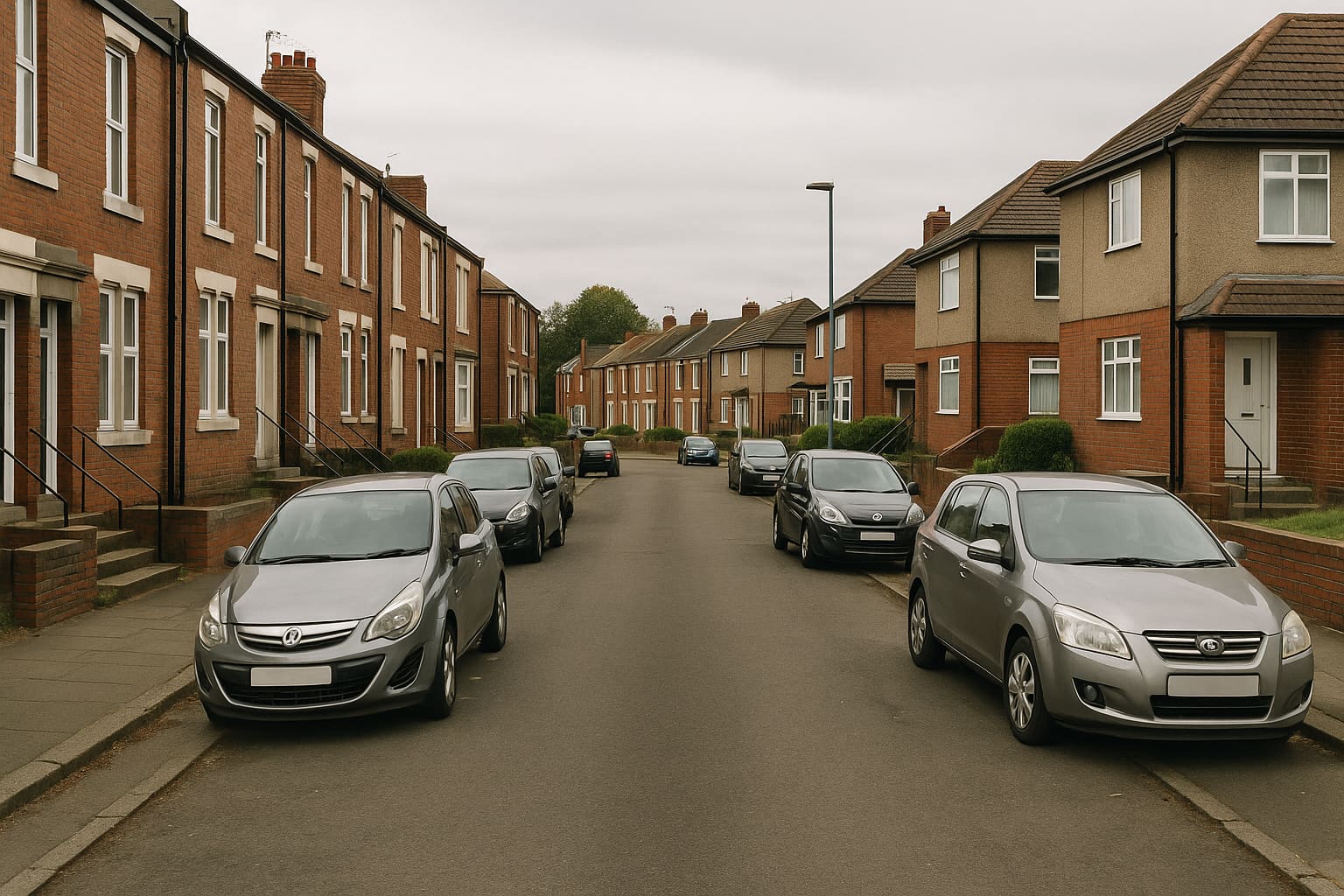
Gateshead contains a mix of property types — Victorian terraced streets in areas like Bensham and Deckham, compact flats on the riverside and Quays, semi-detached houses in suburbs such as Low Fell, and newer build estates with gated parking. Each setting creates different packing choices because access and carry distances vary widely across the borough. Your packing must respond to whether you’re carrying up narrow terraced stairs, using a small lift in a riverside block, or making repeated runs from a van parked on a busy main road.

removals in Gateshead is the main booking page for checking availability, pricing and move details in one place, while Newcastle moving timing guide gives the wider regional context.

Packing for stairs and flats

Older Gateshead terraces and converted flats often have steep, narrow staircases and limited hallway space. For these properties:

  • Use small, sturdy boxes for heavy items so a single porter can carry them safely up stairs — ideal for stoneware and books commonly stored in terraced houses.
  • Pack soft goods (clothes, bedding) into zipped wardrobe boxes or suitcases to reduce box count and weight on stair carries. Wardrobe boxes also hang directly into wardrobes at the other end, saving time in small rooms.
  • Protect bannisters and plasterwork with sheets or moving blankets; in narrow staircases any scrape can turn into a refurb bill in rented properties.
  • If your flat has a lift, measure it. Many Quays developments have lifts that take a flat-pack item but not a sofa, so disassemble large pieces before moving day if possible.

Protecting items for longer carry distances

In Gateshead you may face longer carries if the van must park on a main road, if you live on a hillside or in a pedestrianised area near the Quays. Long carries increase the risk of knocks, water exposure and repeated handling — adjust your packing accordingly:

  • Double-wrap glass and ceramics: bubble wrap plus quilted blanket or double-boxing to withstand extra handling between vehicle and doorway.
  • Use plastic mattress covers and shrink-wrap for sofas and mattresses if the move requires crossing wet cobbles or uneven pavements common near riverside routes.
  • Put electronics in anti-static wrap and then in well-padded boxes; mark them so they’re carried by two people when the route includes stairs or tight turns.
  • For long carries across pedestrianised zones or through narrow cul-de-sacs, consider wheeled dollies for grouped small boxes — but check surface types first (cobbled quaysides can make dollies impractical).

Efficient labelling and loading for restricted-access moves

Loading inefficiencies add time and cost when access is tight. Tailor your labelling and loading so crews can work in sequence and minimise repeated trips:

For the next planning step, this issue with best time to move in Gateshead and moving guide for Gateshead so the booking page can stay focused on the actual move rather than duplicate planning detail.

  • Label boxes with room, contents and priority. For example: 'Kitchen — Pots — Unpack Day 1'. This is vital when the van can’t sit outside the property for long and loads must be unpacked in a specific order.
  • Colour-code by floor or access route (ground-floor green, first-floor blue, lift-access yellow). On multi-storey Gateshead properties this keeps carriers moving in the same direction and reduces stair congestion.
  • Create a van-loading plan that mirrors the unloading order at the destination — label the top and side of each box with a short loading position (A1, B2). That planning saves time when parking restrictions force rapid unloads.
  • List heavy items separately and mark the number of people required to move each one. This prevents delays at tight landings where two people are needed to manoeuvre a bulky item.

Preparing for tight access and awkward loading positions

Some Gateshead streets are narrow, have parked cars on both sides, or sit on steep gradients. Riverside developments can have short service roads with limited turning. Plan ahead:

  • Measure doorways, stair landings and lift clearances — include the route from the likely parking place to the front door. If the van must stop on a main road, expect shuttling of items and build extra time into the schedule.
  • Disassemble large furniture where possible so items can be carried through tight bends or brought down staircases without damage. Keep fixings taped and labelled with the item they belong to.
  • Check local parking rules and consider applying for a temporary parking suspension for a loading bay if the removal vehicle needs kerb space close to the property. This reduces shuttle runs from a legally parked van further away.
  • Plan for awkward van positions — if the only practical parking is around a corner or on a narrow street, pack a separate ‘first-in, last-out’ box with immediate essentials and valuable items so they’re easily accessible without reshuffling the whole load.

Next steps specific to Gateshead

Inspect your route from likely parking points to front door in the days before moving. Note stairs, lift sizes and where the van could legally stop. Use that information to size boxes, order any protective materials and create a loading plan. For more on timing and local constraints around Gateshead moves, see the parent removals page at removals in Gateshead and the moving timing guide at Newcastle moving timing guide. If you’re wondering when is best to carry out a move in Gateshead, the page best time to move in Gateshead explains local peak times and how they affect parking and loading.


Common questions about packing for Gateshead moves

Answers to frequently asked questions that come up on moves around Gateshead — from terraced streets to riverside flats and gated new-builds.

Possibly. Many central Gateshead streets, riverside servicing roads and new estates have resident bays or limited kerb space. If the pavements are narrow or there isn’t an obvious loading bay, a temporary parking suspension from Gateshead Council can stop delays on moving day. Allow time to apply and factor any parking bay charges into your plan and costings.

Use smaller, uniformly sized boxes that one person can carry safely on narrow staircases common in older Gateshead terraces and conversions. Pack heavier items low in the box, use soft bags for clothes and bedding to reduce box weight, and protect banisters with moving blankets or old sheets to avoid scuffs during long, repeated carries.

If the van must park on a main road and the property is down a pedestrian lane or cul-de-sac, expect longer carries. Double-wrap fragile items (bubble wrap plus a layer of quilted blanket), use rigid double-boxing for ceramics and electronics, and put item-specific handling notes on the box. Place these boxes on top of stacks in the van to avoid heavier loads crushing them during extra handling.

Label with both room and priority (e.g., 'Kitchen — Unpack Day 1') and add colour-coded stickers for floor or access route — useful in multi-storey terraces or blocks of flats. On narrow Gateshead streets where loading is staggered, create a loading-plan list (van load sequence) so crews can load/unload in the right order, cutting overall carry and turn-around time.

Yes. Many Gateshead flats and terraced homes have tight doorways, shallow lifts or short lift lobbies. Measure sofas, wardrobes and beds against doorways, stair landings and lift dimensions — include route measurements from likely parking points too. If a piece won’t fit, plan dismantling or an alternative entry (balconies, windows) ahead of time.

The exact answer depends on the access route, loading position, building type and timing conditions in Gateshead, but clear planning is usually the simplest way to reduce friction and avoid surprises.