Access and property constraints in Manchester
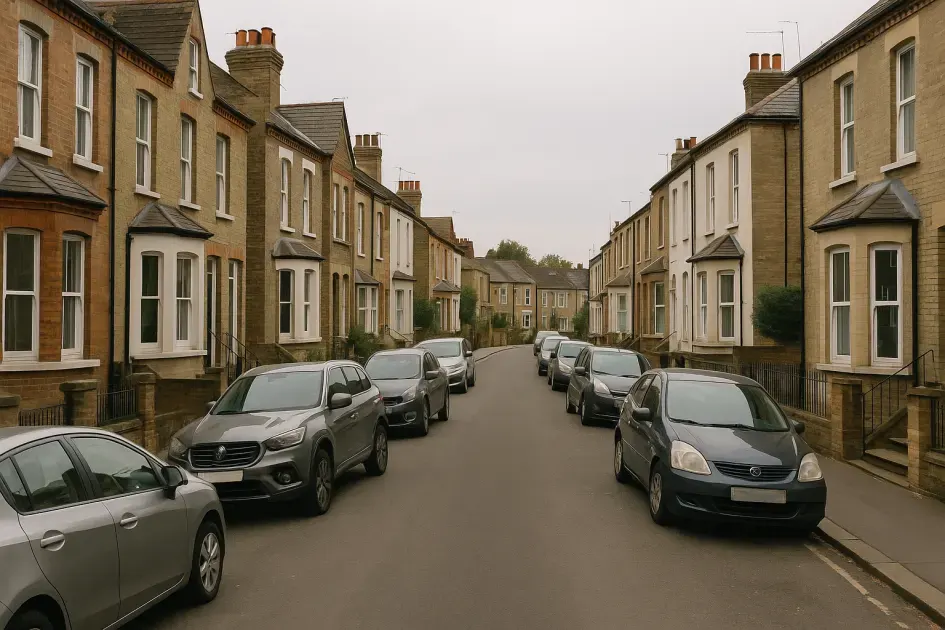
Many homes sit on narrow or permit-controlled streets, while flats often have concierge rules, controlled loading windows, and lift bookings. Terraces with tight frontage access may prevent a vehicle from pulling close to the door, increasing carry distance. Inside, stairs and tight turns slow handling and may require extra protection or a revised load order.
Street access and loading realities
Narrow streets, one-way systems, and time-limited loading bays influence where a vehicle can stop and how long it can remain. In the city centre, managed loading zones and private estate rules often apply. On residential routes, permit parking can leave the closest spaces occupied unless a bay is reserved. Longer walks to the vehicle add significant time and effort, especially with larger items.
Confirm any controlled loading windows, school-street restrictions, and bus gates along the approach. Share precise meet points and alternative stops with your crew to reduce circling and delays.
Building and property friction
Flats and managed blocks typically require lift bookings, service-entrance access, or a concierge sign-in. Where lifts are small or unavailable, stairs and landings dictate pace and packing sequence. In older terraces, tight internal corners can prevent upright transport of tall wardrobes or sofas, requiring de-assembly or protective wrapping before negotiating turns.
Note fragile surfaces, glass balustrades, and shared corridors that may need floor or wall protection. Longer internal routes from flats to loading bays can add minutes per trip; plan staging points to keep items flowing.
Parking, permits, and managed access
In permit zones, arrange visitor permits or a temporary dispensation for a removals vehicle where possible. Where suspensions are allowed, request them early to secure space close to your entrance. On private estates, confirm which bays are usable, who authorises access, and how to display permissions. If a loading bay has controlled windows, align your lift booking and crew arrival to that slot.
Always have a fallback stop if the planned bay is occupied. Measure gates, arches, and car-park entrances for vehicle clearance, and brief your point of contact for quick decisions on the day.